Yoga Poses for Flexibility: 7 Powerful Daily Stretches to Improve Mobility
Flexibility is an essential component of overall physical health, yet many people overlook it until stiffness or discomfort begins to interfere with daily activities. Practicing Yoga Poses for Flexibility regularly can help lengthen muscles, improve joint mobility, and support better posture.
Modern lifestyles often involve long hours of sitting at desks or using mobile devices. Over time, this sedentary behavior can lead to tight hips, stiff shoulders, and reduced spinal mobility. Simple daily yoga stretches can counteract these effects by restoring natural movement and reducing muscular tension.
Yoga also supports circulation and relaxation. According to the Harvard Medical School, regular stretching and yoga practice can improve flexibility, enhance balance, and help reduce chronic muscle stiffness.
Below are seven simple but highly effective yoga poses that can be practiced daily to gradually increase flexibility and improve overall body mobility.
1. Downward Dog – A Full Body Stretch
Downward Dog is one of the most recognizable yoga poses and is often included in flexibility routines. It stretches the hamstrings, calves, shoulders, and spine simultaneously.
The inverted V-shape created by this pose lengthens the back muscles and decompresses the spine, which can help relieve tension caused by prolonged sitting.
Beginners should focus on maintaining a straight back rather than forcing their heels to touch the floor. With regular practice, the hamstrings naturally become more flexible.
This pose also strengthens the shoulders and arms while improving circulation throughout the upper body.
2. Standing Forward Fold – Deep Hamstring Stretch
Standing Forward Fold is a gentle but powerful stretch targeting the hamstrings and lower back.
When the torso folds forward, gravity helps lengthen the spine and release tension in the back muscles.
Deep breathing during the stretch allows the nervous system to relax, making the muscles more receptive to flexibility training.
Over time, this pose can help reduce lower-back stiffness and improve overall mobility in the posterior chain.
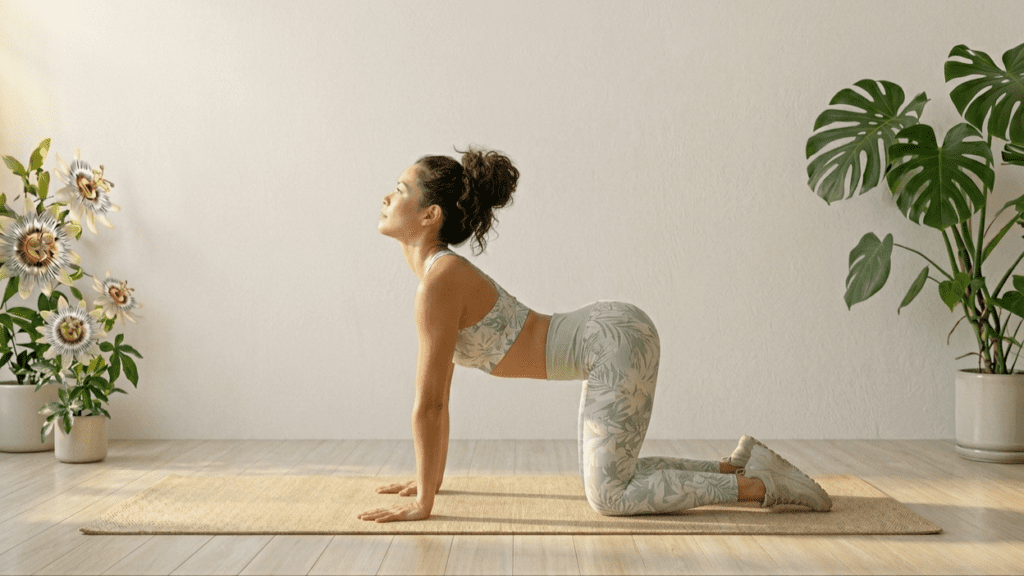
3. Cat-Cow Stretch – Improving Spinal Mobility
The Cat-Cow stretch is a dynamic yoga movement designed to increase flexibility in the spine.
This movement alternates between rounding and arching the back, gently mobilizing each vertebra.
The motion helps improve posture and relieve stiffness in the neck, shoulders, and lower back.
Research from the National Center for Complementary and Integrative Health indicates that yoga movements may help reduce muscle tension and support spinal health.
4. Cobra Pose – Opening the Chest and Spine
Cobra Pose is a gentle backbend that helps stretch the abdominal muscles and open the chest.
The movement strengthens the lower back while improving flexibility in the spine.
It is especially beneficial for people who spend long hours working at desks or looking at screens.
Practicing Cobra regularly may help counteract poor posture and improve spinal mobility.
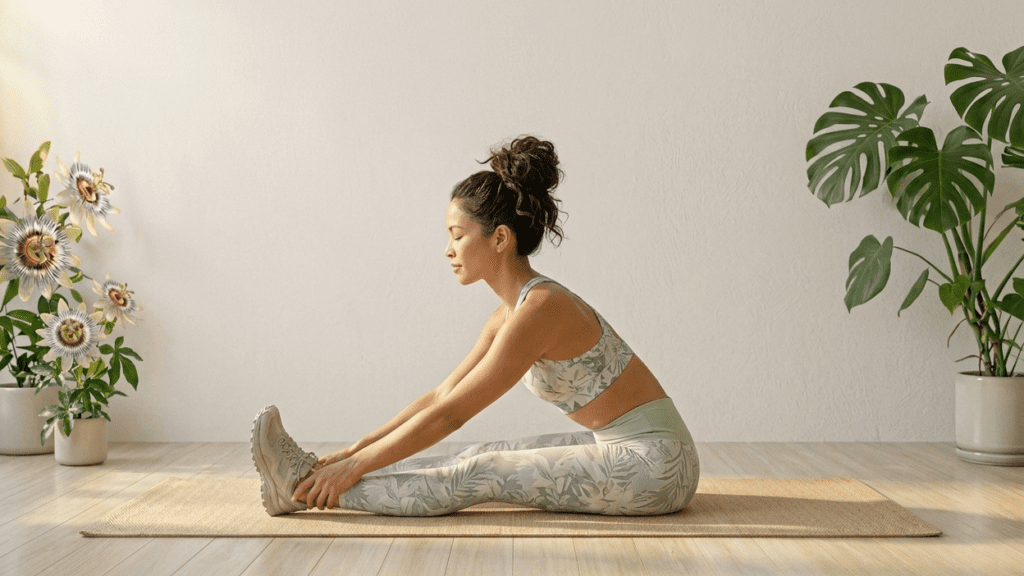
5. Seated Forward Bend – Controlled Deep Stretch
The Seated Forward Bend focuses on stretching the hamstrings and lower back while encouraging mindful breathing.
Unlike standing stretches, this seated version allows practitioners to concentrate on alignment and muscle engagement.
Keeping the spine long during the stretch prevents unnecessary strain on the lower back.
With regular practice, this pose gradually increases flexibility in the hips and hamstrings.
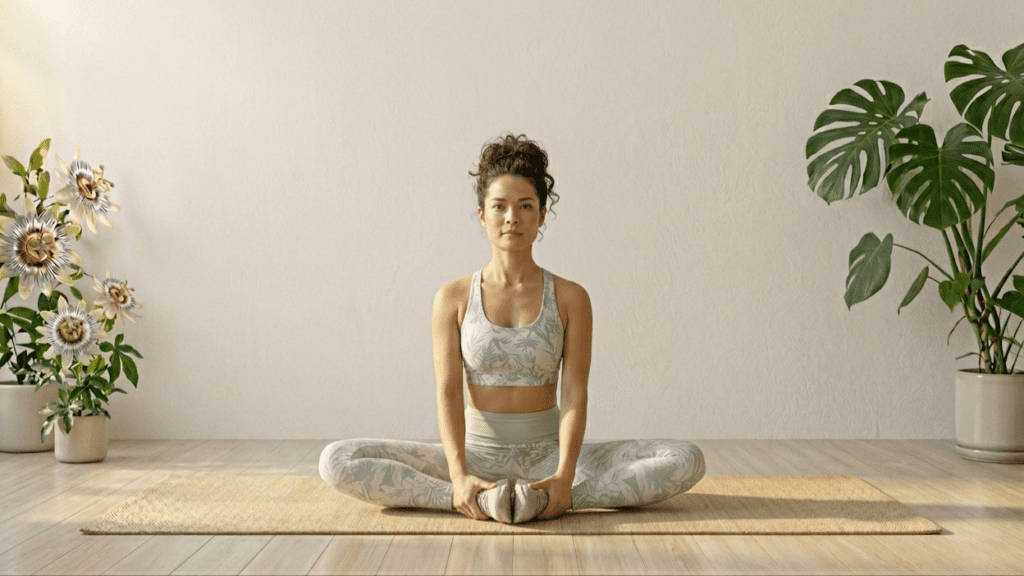
6. Butterfly Pose – Opening the Hips
Butterfly Pose is particularly effective for improving flexibility in the hips and inner thighs.
The pose involves sitting with the soles of the feet together while gently lowering the knees toward the floor.
This movement gradually loosens tight hip muscles and increases range of motion.
People who sit for long periods may benefit greatly from adding this pose to their daily stretching routine.
7. Child’s Pose – Relaxation and Gentle Stretch
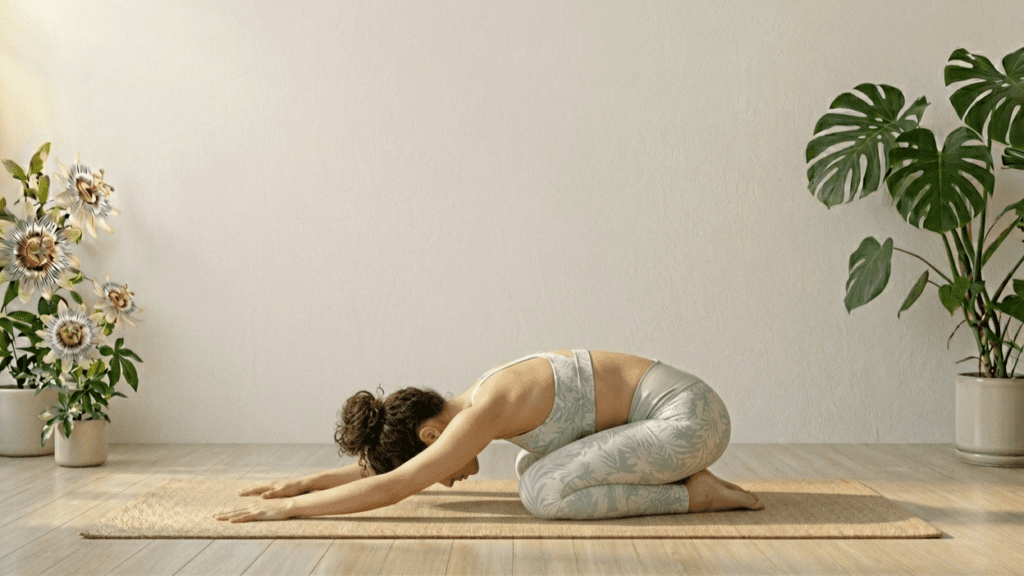
Child’s Pose is often used as a resting posture in yoga sessions.
Despite its simplicity, it provides a gentle stretch for the back, hips, and shoulders.
The position encourages slow breathing and relaxation, helping the nervous system calm down.
Ending a routine of Yoga Poses for Flexibility with Child’s Pose allows muscles to release tension and recover.
Frequently Asked Questions (FAQ)
How often should I practice yoga for flexibility?
Practicing yoga stretches three to five times per week can significantly improve flexibility and mobility.
How long does it take to become more flexible?
Most people notice improvements in flexibility after four to six weeks of consistent stretching.
Are yoga stretches safe for beginners?
Yes. Many flexibility poses are beginner-friendly and can be modified to suit different fitness levels.
Can yoga reduce muscle stiffness from sitting all day?
Yes. Gentle stretching improves blood circulation and helps relax tight muscles caused by sedentary lifestyles.
Conclusion
Incorporating Yoga Poses for Flexibility into your daily routine can significantly improve mobility, posture, and muscle comfort. These stretches gently lengthen tight muscles while promoting relaxation and body awareness.
From the full-body stretch of Downward Dog to the calming release of Child’s Pose, each movement contributes to better flexibility and overall physical balance. The key is consistency—regular practice allows muscles and joints to gradually adapt and become more flexible.
Even a short daily yoga routine can help you move more freely, reduce stiffness, and support long-term wellness.