Vitamins for Immune Support: 10 Daily Essentials
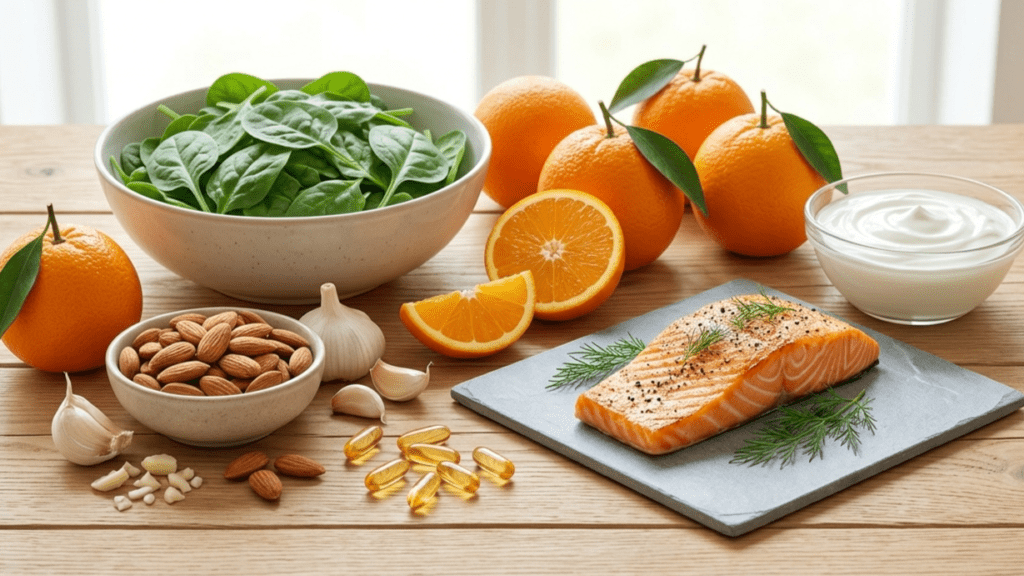
A strong immune system is your body’s first line of defense against infections, viruses, and environmental stressors. While sleep, exercise, and stress management all play a role, nutrition remains one of the most powerful factors influencing immune resilience. That’s why many people search for Vitamins for Immune Support to strengthen their natural defenses safely and effectively.
Certain vitamins and minerals directly contribute to immune cell production, antibody formation, and inflammatory balance. This guide explores 10 daily essentials backed by scientific evidence, explaining how each nutrient supports immune health and how to obtain it through food or supplementation.
1. Vitamin C: The Classic Immune Booster
Vitamin C is one of the most researched immune-support nutrients. It helps stimulate the production and function of white blood cells, including lymphocytes and phagocytes.
As a powerful antioxidant, vitamin C protects immune cells from oxidative stress caused by infections. This protection allows immune responses to remain efficient.
Although vitamin C does not prevent colds entirely, studies suggest it may slightly reduce symptom duration and severity in some individuals.
Rich sources include citrus fruits, strawberries, bell peppers, and broccoli. Daily intake through whole foods is typically sufficient for most people.
2. Vitamin D: Essential for Immune Regulation
Vitamin D plays a critical role in modulating both innate and adaptive immune responses. Deficiency has been linked to increased susceptibility to infections.
This vitamin helps activate immune defenses by enhancing pathogen-fighting effects of monocytes and macrophages.
Sun exposure is the primary natural source, but many individuals require supplementation, especially during winter months.
Fatty fish, fortified dairy products, and egg yolks also contribute to daily intake.
3. Zinc: The Infection Fighter
Zinc is vital for immune cell development and communication. Even mild zinc deficiency can impair immune function.
It supports wound healing and may reduce the duration of common cold symptoms when taken early.
Zinc contributes to maintaining the integrity of the skin and mucosal barriers, your body’s first physical defense line.
Good dietary sources include meat, seeds, nuts, and legumes.
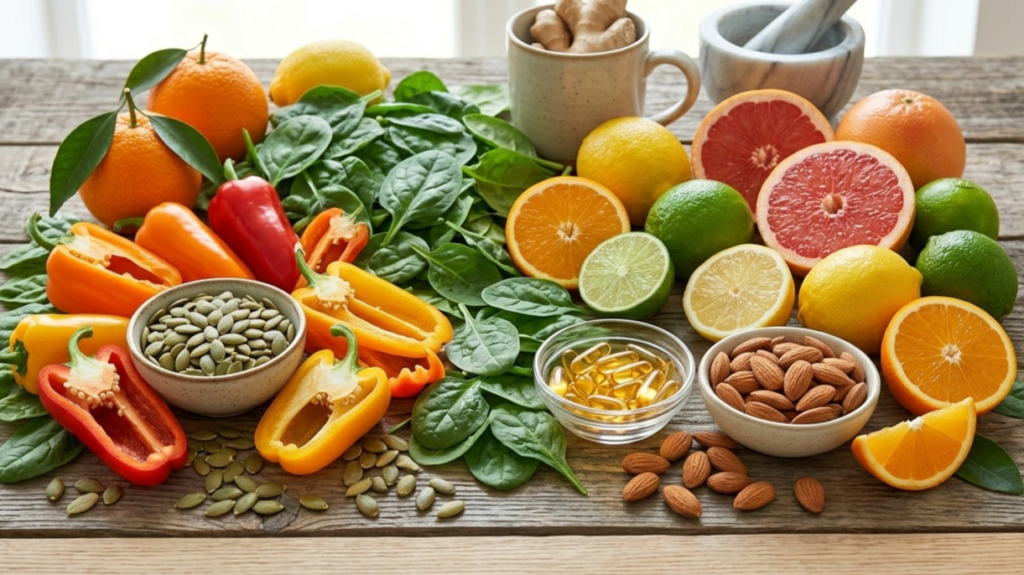
4. Vitamin A: Supporting Mucosal Barriers
Vitamin A helps maintain the structure and function of skin and respiratory tract linings.
These barriers prevent pathogens from entering the body in the first place.
It also regulates immune responses, preventing excessive inflammation.
Carrots, sweet potatoes, and dark leafy greens are excellent sources of beta-carotene, which the body converts into vitamin A.
5. Vitamin E: Antioxidant Protection
Vitamin E protects cell membranes from oxidative damage, particularly immune cells exposed to infection stress.
It enhances T-cell function, which plays a major role in adaptive immunity.
Older adults may particularly benefit from adequate vitamin E intake.
Nuts, seeds, and vegetable oils are reliable dietary sources.
6. Vitamin B6: Immune Communication Support
Vitamin B6 is necessary for biochemical reactions in the immune system.
It assists in antibody production and supports communication between immune cells.
Low levels may impair lymphocyte growth and interleukin production.
Chickpeas, poultry, fish, and bananas provide natural vitamin B6.
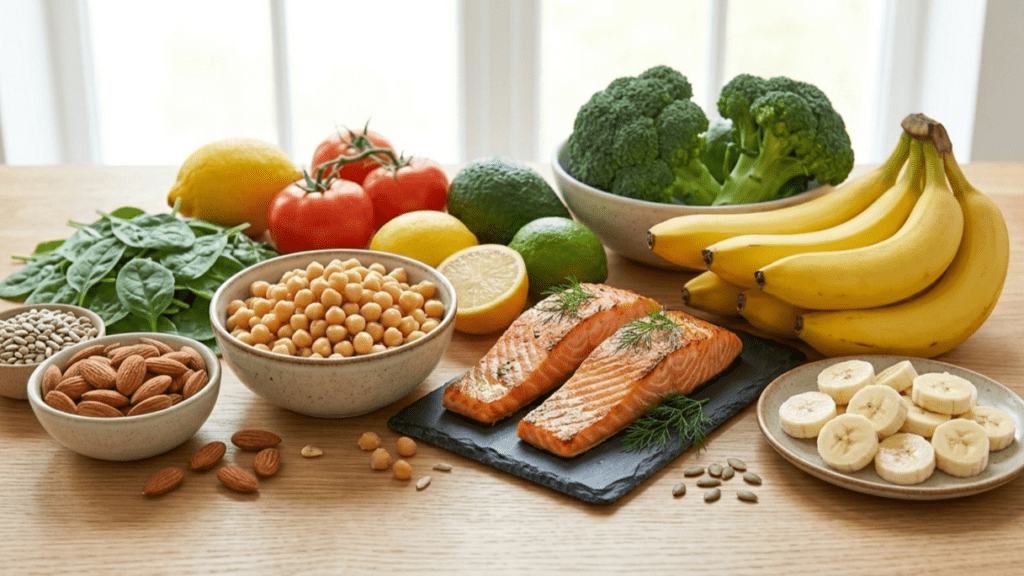
7. Folate (Vitamin B9): Cellular Defense Support
Folate supports DNA synthesis and cell division, essential for rapidly multiplying immune cells.
Deficiency may weaken immune responses and reduce resistance to infections.
Leafy greens, lentils, and fortified grains are rich in folate.
Adequate intake is especially important during periods of stress or illness.
8. Iron: Oxygen Delivery for Immune Cells
Iron enables oxygen transport via hemoglobin, ensuring immune cells function effectively.
Low iron levels can lead to fatigue and reduced immune defense.
However, excessive iron supplementation should be avoided unless medically advised.
Red meat, spinach, and legumes are common dietary sources.
9. Selenium: Antioxidant and Viral Defense
Selenium plays a role in antioxidant enzyme systems that protect immune cells.
Research indicates selenium deficiency may increase susceptibility to viral infections.
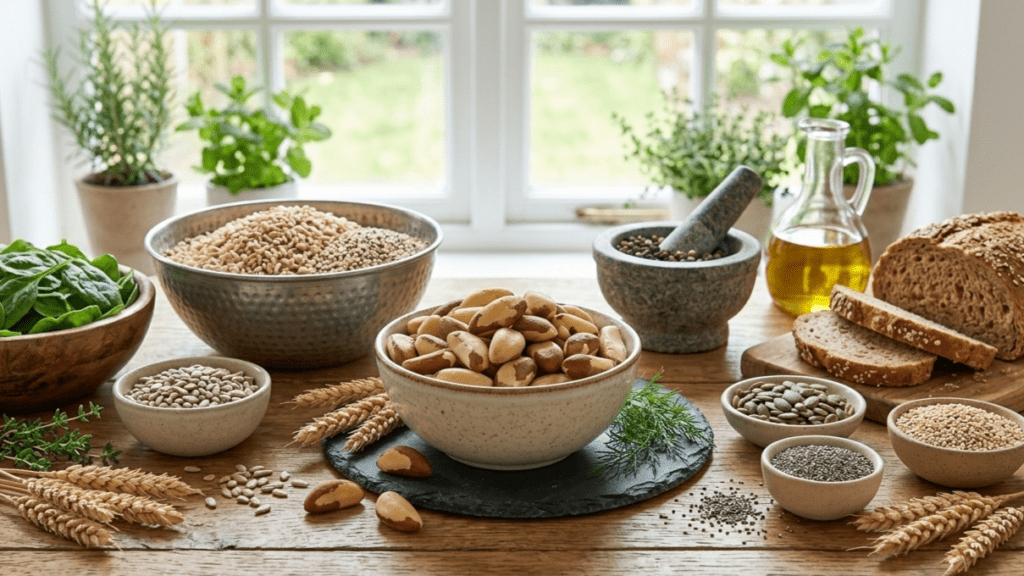
Brazil nuts are one of the richest natural sources.
Only small amounts are needed daily to support immune balance.
10. Magnesium: Inflammation and Immune Balance
Magnesium contributes to hundreds of enzymatic reactions, including those regulating immune responses.
It helps control inflammation and supports stress management, which indirectly affects immunity.
Magnesium deficiency is common in modern diets.
Sources include leafy greens, nuts, seeds, and whole grains.
Frequently Asked Questions (FAQ)
Do I need supplements or just food?
Most people can obtain adequate Vitamins for Immune Support through a balanced diet. Supplements may help if deficiencies are diagnosed.
Can I take all immune vitamins together?
Many multivitamins combine them safely, but consult a healthcare provider for personalized guidance.
Is more better for immunity?
No. Excess intake of certain vitamins, especially fat-soluble ones like A and D, can be harmful.
How quickly do immune vitamins work?
They support long-term immune resilience rather than immediate symptom relief.
Conclusion
Ensuring adequate intake of Vitamins for Immune Support is one of the most reliable strategies to maintain strong immune defenses year-round. From vitamin C and D to zinc, selenium, and magnesium, each nutrient plays a distinct yet interconnected role in immune regulation. A balanced, nutrient-rich diet remains the safest and most effective approach, with supplementation considered when necessary.