Stress Relief Exercises at Home: 8 Simple Moves
Modern life brings daily stress, whether from work, responsibilities, or constant digital distractions. Finding effective ways to unwind is essential for maintaining both physical and mental health. One of the most accessible solutions is practicing Stress Relief Exercises at Home, which can help you relax, recharge, and regain focus without needing a gym or special equipment.
Stress affects your body in many ways, including muscle tension, fatigue, headaches, and even digestive issues. Over time, chronic stress can impact your overall well-being. According to the American Psychological Association (APA), regular physical activity is one of the most effective ways to reduce stress and improve mood.
The good news is that you don’t need intense workouts to feel better. Gentle movements, breathing techniques, and mindful exercises can significantly reduce stress levels. By incorporating Stress Relief Exercises at Home into your routine, you can create a healthier lifestyle and improve your daily energy.
Below are 8 simple and effective Stress Relief Exercises at Home that you can start today.
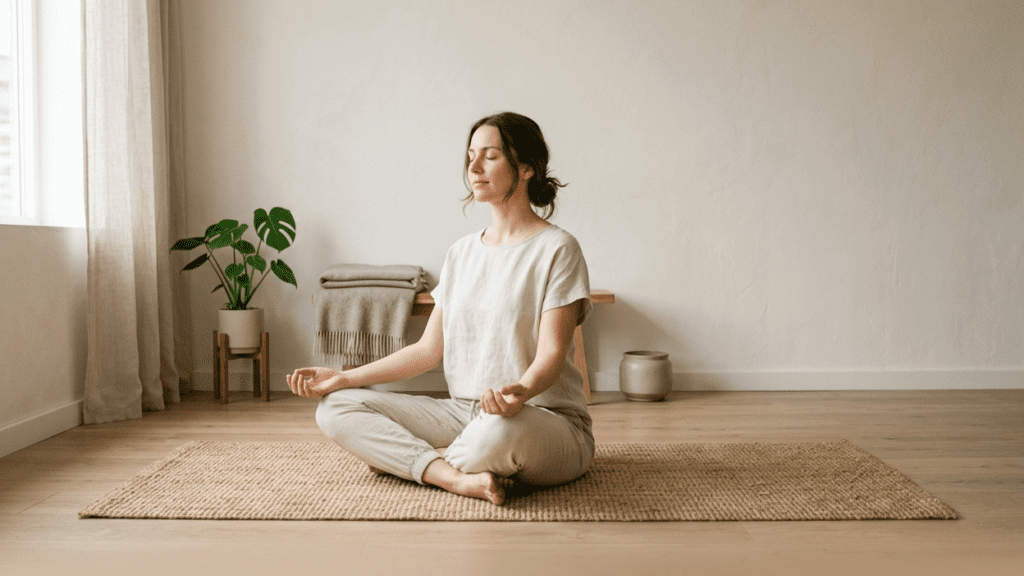
1. Deep Breathing Exercise
Deep breathing is one of the simplest yet most powerful stress relief techniques.
It helps activate the parasympathetic nervous system, which calms the body and reduces stress hormones.
To practice, sit comfortably and inhale slowly through your nose for four seconds. Hold for a few seconds, then exhale slowly through your mouth.
Repeat this for 5–10 minutes to feel immediate relaxation.
This exercise is often the first step in many Stress Relief Exercises at Home routines because of its quick results.
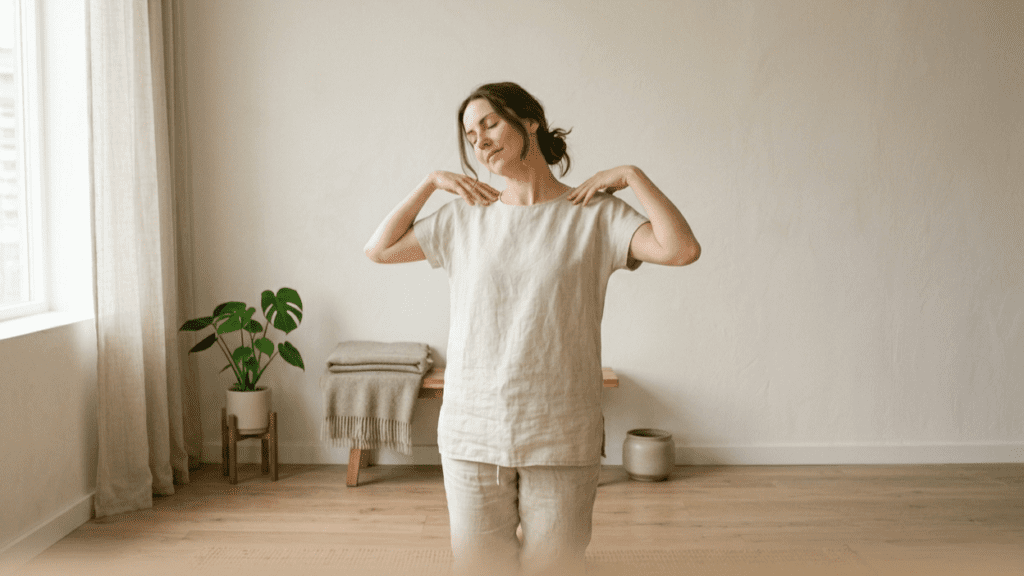
2. Neck and Shoulder Rolls
Tension often builds up in the neck and shoulders, especially if you sit for long periods.
Neck and shoulder rolls help release this tension and improve blood circulation.
Gently roll your shoulders backward in a circular motion, then switch directions. Slowly tilt your head from side to side.
Perform this exercise for a few minutes to relieve stiffness and stress.
Adding this movement to your daily Stress Relief Exercises at Home can reduce physical discomfort.
3. Cat-Cow Stretch
The cat-cow stretch is a gentle yoga movement that helps release tension in the spine.
Start on your hands and knees, arch your back upward (cat pose), then slowly drop your belly and lift your head (cow pose).
This flowing motion improves flexibility and reduces stiffness.
It also encourages mindful breathing, making it an effective addition to Stress Relief Exercises at Home.
Practice this for 1–2 minutes to feel a calming effect.
4. Child’s Pose for Relaxation
Child’s pose is a resting yoga position that promotes deep relaxation.
Kneel on the floor, sit back on your heels, and stretch your arms forward while lowering your chest.
This pose gently stretches the back and helps calm the mind.
Holding this position for a few minutes can significantly reduce stress levels.
It is one of the most soothing Stress Relief Exercises at Home.
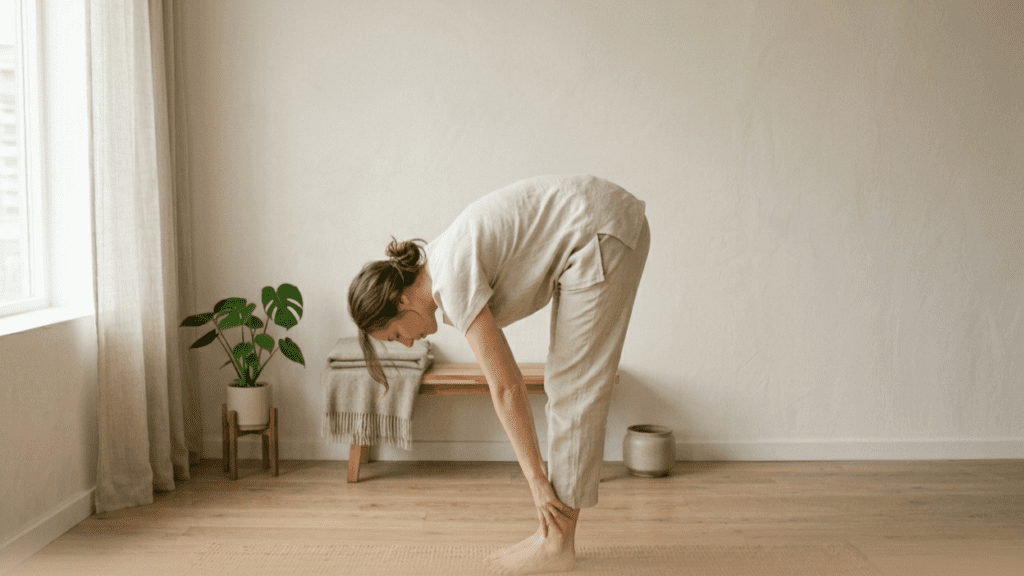
5. Standing Forward Bend
The standing forward bend helps release tension in the back, neck, and shoulders.
Stand upright, then slowly bend forward from your hips, letting your arms hang down.
This position improves blood flow to the brain and promotes relaxation.
Hold for 20–30 seconds and repeat a few times.
Including this movement in your Stress Relief Exercises at Home routine can enhance flexibility and reduce stress.
6. Seated Spinal Twist
The seated spinal twist helps relieve tension in the spine and improves mobility.
Sit on the floor with your legs extended, then bend one knee and twist your torso toward it.
Place your opposite elbow on the outside of your knee for a deeper stretch.
Hold for 20–30 seconds and switch sides.
This movement is a great addition to Stress Relief Exercises at Home for improving posture and reducing tension.
7. Legs-Up-the-Wall Pose
This simple pose is excellent for relaxation and reducing fatigue.
Lie on your back and place your legs up against a wall, keeping them straight.
This position improves circulation and calms the nervous system.
Stay in this pose for 5–10 minutes while focusing on your breathing.
It is one of the most restorative Stress Relief Exercises at Home.
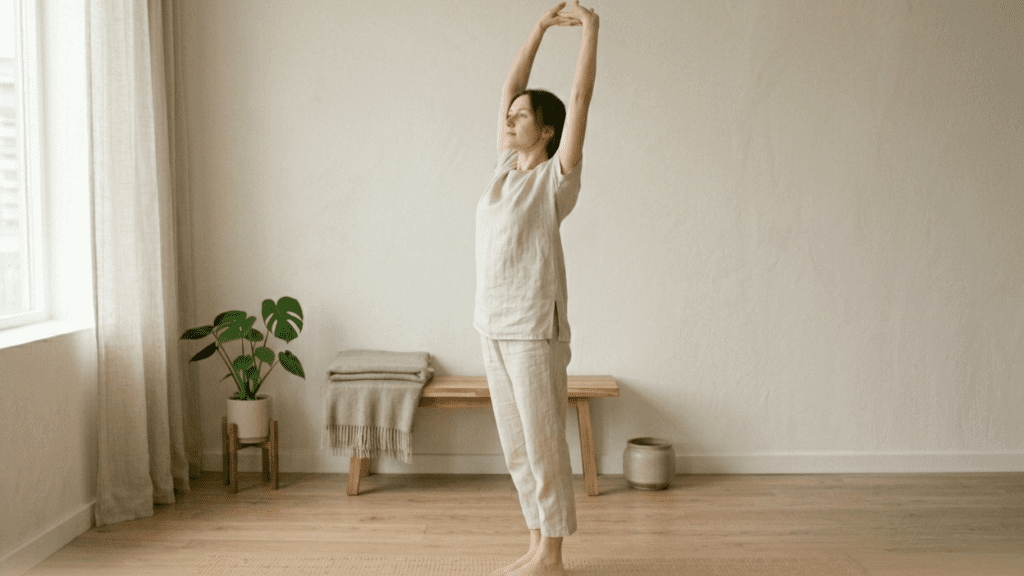
8. Light Stretching Routine
A full-body stretching routine helps release built-up tension and improve flexibility.
Include simple stretches for your arms, legs, and back.
Move slowly and focus on your breathing during each stretch.
This type of routine enhances relaxation and complements other Stress Relief Exercises at Home.
Practicing daily stretching can significantly improve your overall well-being.
9. How to Build a Daily Routine
Creating a consistent routine is key to getting the most benefit from Stress Relief Exercises at Home.
Start by choosing 3–4 exercises that you enjoy and can perform easily.
Dedicate at least 10–15 minutes each day to practice them.
You can do these exercises in the morning to start your day calmly or in the evening to unwind.
Consistency is more important than intensity when it comes to stress relief.
10. Tips for Better Results
To maximize the benefits of Stress Relief Exercises at Home, keep these tips in mind:
- Practice in a quiet and comfortable space
- Focus on slow, controlled breathing
- Avoid rushing through the movements
- Stay consistent with your routine
- Combine exercises with healthy habits like proper sleep and hydration
These simple steps can enhance the effectiveness of your stress relief routine.
Frequently Asked Questions
How often should I do stress relief exercises at home?
You can practice daily for the best results. Even 10–15 minutes can make a difference.
Do I need equipment?
No, most stress relief exercises can be done using just your body weight.
Can these exercises improve sleep?
Yes, they help relax the body and mind, which can lead to better sleep quality.
How quickly will I feel results?
Some exercises, like deep breathing, can provide immediate relief, while long-term benefits build over time.
Conclusion
Incorporating Stress Relief Exercises at Home into your daily routine is a simple and effective way to manage stress and improve your overall well-being. These exercises require minimal time and effort but offer significant benefits for both the body and mind.
By practicing regularly and staying consistent, you can reduce tension, improve flexibility, and create a sense of calm in your daily life.
Read our article about Mindfulness Techniques for Stress Relief