Morning Habits for Better Digestion: 8 Simple Tips

Digestive health plays a crucial role in overall well-being. The way your body processes food influences your energy levels, immune system, mood, and even sleep quality. Many people struggle with bloating, sluggish digestion, or irregular bowel movements without realizing that their morning habits for better digestion may be the missing piece of the puzzle.
Your digestive system begins preparing for food soon after you wake up. Hormones, stomach acid production, and intestinal movement follow a natural daily rhythm known as the circadian cycle. By supporting these natural processes with the right habits, you can significantly improve digestion throughout the day.
Simple actions like drinking water, gentle movement, mindful eating, and fiber intake can help activate digestive enzymes and support gut health. These habits do not require drastic lifestyle changes but can produce noticeable benefits when practiced consistently.
In this article, we will explore eight simple morning habits for better digestion that help your body work more efficiently. These science-supported practices can reduce digestive discomfort, support gut bacteria, and promote long-term digestive wellness.
Lets explore in these morning habits for better digestion tips
1. Start Your Day with Hydration

Water is one of the simplest and most effective tools for improving digestion. After several hours of sleep, the body naturally becomes mildly dehydrated. Drinking water first thing in the morning helps rehydrate tissues and activate the digestive system.
Hydration supports the production of digestive enzymes and stomach acid, both of which are essential for breaking down food efficiently. When the body lacks adequate fluids, digestion slows down and constipation becomes more likely.
Drinking a glass of water upon waking can also stimulate intestinal movement, helping promote regular bowel habits. Many gastroenterologists recommend this practice because it gently activates the gastrointestinal tract without stressing the stomach.
Some people find that warm water works even better for digestion. Warm liquids can relax digestive muscles and may improve circulation in the gastrointestinal tract, supporting smoother digestion.
2. Gentle Movement to Activate the Gut
Physical movement in the morning helps stimulate the digestive tract. Even light activity encourages intestinal contractions that help move food through the digestive system more efficiently.
Exercises such as stretching, yoga, or a short walk can support what scientists call gut motility, the movement of food through the digestive tract. Improved gut motility reduces bloating and helps prevent constipation.
Gentle twisting movements during stretching may also stimulate abdominal organs. Many yoga routines include poses designed specifically to encourage digestive health by applying mild pressure to the stomach and intestines.
Regular movement in the morning can also reduce stress hormones like cortisol. Lower stress levels support better digestion because chronic stress can disrupt gut bacteria and slow digestive processes.
3. Eat a Fiber-Rich Breakfast
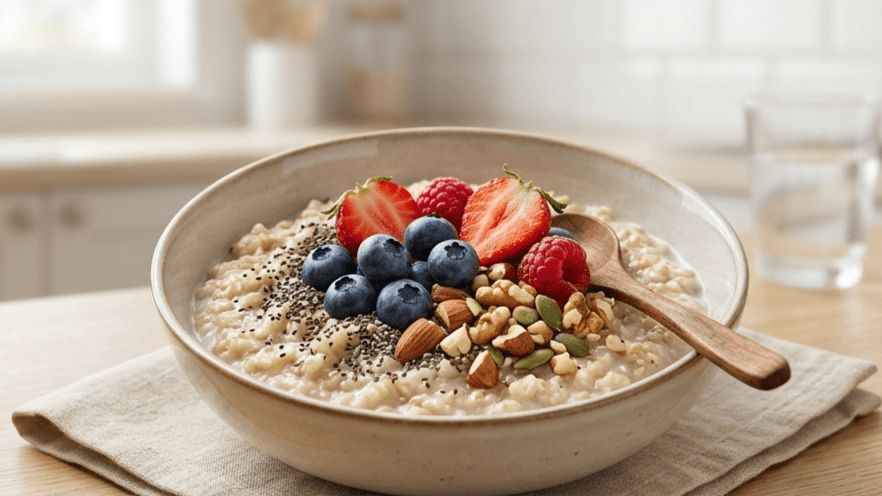
Dietary fiber is essential for healthy digestion. A balanced breakfast containing fiber helps regulate bowel movements and supports beneficial gut bacteria.
Foods such as oats, chia seeds, berries, whole grains, and nuts provide soluble and insoluble fiber. Soluble fiber absorbs water and forms a gel-like substance that slows digestion and stabilizes blood sugar levels.
Insoluble fiber, on the other hand, adds bulk to stool and helps move waste through the intestines. Together, these fibers promote regular digestion and reduce the likelihood of digestive discomfort.
Nutrition experts from organizations like the World Health Organization recommend consuming adequate fiber daily to support digestive health. Starting your day with fiber makes it easier to reach your daily intake.
4. Practice Mindful Eating in the Morning
Many people rush through breakfast or skip it entirely. Eating too quickly prevents proper digestion because the body does not have enough time to prepare digestive enzymes.
Mindful eating means paying attention to the food you eat, chewing slowly, and noticing hunger and fullness signals. Chewing thoroughly begins the digestive process in the mouth by mixing food with saliva and digestive enzymes.
Eating slowly also helps prevent overeating. When you rush, your brain may not register fullness until you have already consumed more food than necessary, which can lead to bloating and discomfort.
Research from digestive health organizations indicates that mindful eating can improve digestive efficiency and reduce symptoms of indigestion. A calm breakfast routine sets the tone for healthier eating habits throughout the day.
5. Include Gut-Friendly Foods
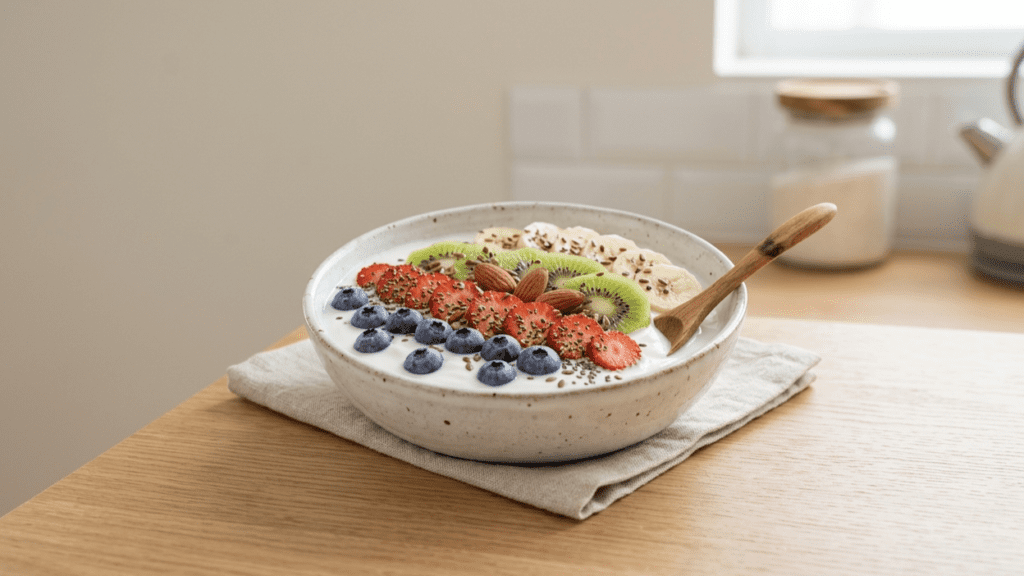
Your digestive system relies on trillions of beneficial bacteria known as the gut microbiome. Supporting these microorganisms can improve digestion and overall health.
Fermented foods like yogurt, kefir, and certain cultured dairy products contain probiotics, beneficial bacteria that help maintain a balanced gut environment. A healthy microbiome improves nutrient absorption and reduces digestive issues.
Prebiotic foods such as bananas, oats, garlic, and onions provide fuel for these beneficial bacteria. Together, probiotics and prebiotics help maintain gut balance and support healthy digestion.
Adding gut-friendly foods to your breakfast can be a powerful habit. Over time, a balanced microbiome may improve digestion, immunity, and metabolic health.
6. Support Digestion with a Consistent Routine
The human body thrives on routine. Your digestive system follows a daily rhythm that aligns with sleep and eating patterns. Maintaining a consistent morning schedule helps regulate this rhythm.
Eating breakfast at roughly the same time each day can train the digestive system to prepare for food. Over time, this improves enzyme production and stomach acid levels.
A regular routine also supports the body’s circadian clock. Research suggests that disruptions in daily routines can negatively impact digestion and metabolic health.
Simple habits like waking up at the same time, drinking water, and eating breakfast consistently can improve digestive efficiency and reduce irregular bowel movements.
7. Manage Morning Stress
Stress has a direct impact on digestion. The gut and brain communicate through a complex system known as the gut-brain axis, which means emotional stress can disrupt digestive processes.
When stress levels rise, the body releases hormones that slow digestion and redirect energy toward survival responses. This may lead to bloating, stomach discomfort, or irregular digestion.
Morning stress often occurs when people rush to start their day. Creating a calmer routine allows the body to focus on digestion rather than stress responses.
Practices such as deep breathing, short meditation sessions, or mindful stretching can help regulate the nervous system and support better digestive function.
8. Avoid Heavy or Highly Processed Foods Early
The types of foods consumed in the morning can greatly influence digestive health. Heavy meals that contain excessive sugar, refined carbohydrates, or fried foods may slow digestion.
Highly processed foods often lack fiber and essential nutrients. They may also contain additives that can disrupt gut bacteria and cause digestive discomfort.
Choosing whole foods in the morning helps support stable energy levels and better digestion. Balanced meals containing fiber, protein, and healthy fats are ideal.
Examples of digestion-friendly breakfasts include oatmeal with fruit, yogurt with seeds, or whole-grain toast with eggs and avocado.
Frequently Asked Questions
What is the best drink in the morning for digestion?
Water is the best starting drink for digestion. It rehydrates the body and stimulates intestinal movement. Some people also benefit from warm water or herbal teas that support digestive relaxation.
Can skipping breakfast affect digestion?
Yes. Skipping breakfast may disrupt digestive rhythms and cause overeating later in the day. A balanced breakfast helps stabilize metabolism and supports regular digestion.
Are probiotics necessary for better digestion?
Probiotics are not always required, but they can support gut health. Fermented foods containing probiotics may improve digestion by maintaining a balanced gut microbiome.
How long does it take to improve digestion with new habits?
Digestive improvements vary by individual. Some people notice changes within days, while others may require several weeks of consistent healthy habits.
Conclusion
Developing healthy morning habits can significantly improve digestive function and overall well-being. Small changes like drinking water, eating fiber-rich foods, moving your body, and reducing stress help the digestive system operate more efficiently.
Consistency is the key to success. When practiced daily, these morning habits for better digestion support gut health, improve nutrient absorption, and reduce common digestive discomforts.
By creating a calm and nourishing start to your day, you allow your digestive system to work in harmony with your body’s natural rhythms. Over time, these habits can lead to better energy, improved health, and a stronger digestive system.
Read our article about Foods to Improve Digestion