How to Plan Balanced Meals for Energy and Healthy Lifestyle
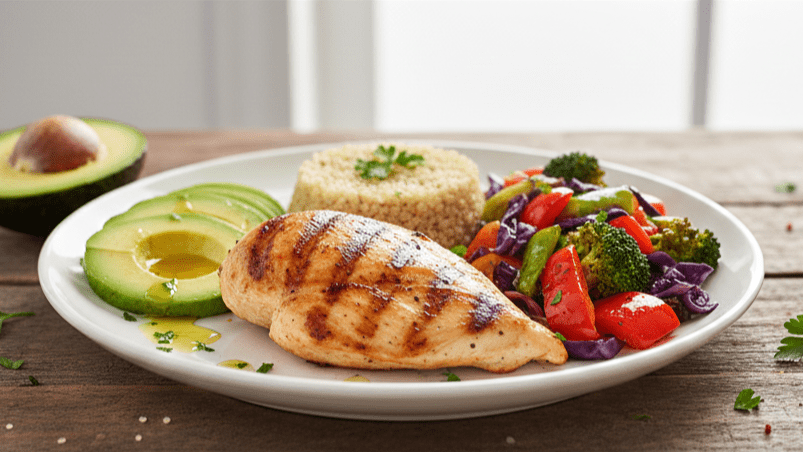
Eating healthy doesn’t have to be complicated. Planning balanced meals ensures your body gets all the nutrients it needs while maintaining steady energy levels. By following simple meal planning strategies, you can boost your energy naturally and feel healthier every day.
Many people experience fatigue not because they lack calories, but because their meals are unbalanced. Meals high in refined carbohydrates or low in protein and healthy fats can cause rapid blood sugar spikes followed by energy crashes. Balanced meal planning focuses on nutrient quality, not just quantity.
A healthy lifestyle starts with consistent habits. When meals are planned correctly, digestion improves, hormones stabilize, and the body can produce energy more efficiently throughout the day. This is why balanced meals are essential for long-term energy, not just short-term fullness.
1. Include a Protein Source
Protein is essential for maintaining energy and repairing body tissues. Include eggs, fish, chicken, beans, or lentils in your meals to stabilize blood sugar and keep you energized. Balanced meals with adequate protein are a key part of healthy meal planning.
Protein slows down digestion and prevents sharp increases in blood glucose levels. This leads to more stable energy and reduced cravings between meals. It also supports muscle maintenance, which plays a role in overall metabolic health.
2. Add Complex Carbs
Complex carbohydrates, like whole grains, quinoa, and sweet potatoes, provide slow-release energy throughout the day. They prevent energy crashes and help maintain focus. Incorporating complex carbs is one of the best ways to naturally boost your energy.
Unlike refined carbohydrates, complex carbs contain fiber and essential micronutrients. These nutrients support digestion and help the body convert food into usable energy more efficiently, making them a cornerstone of energy-boosting foods.
3. Fill Half Your Plate with Vegetables
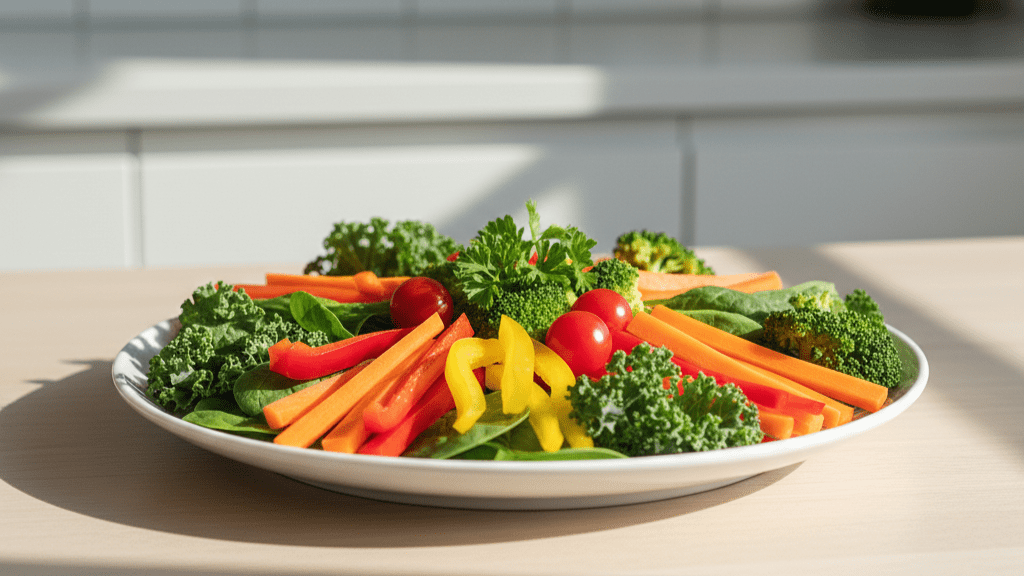
Vegetables are rich in vitamins, minerals, and fiber, which support digestion and overall energy levels. Aim to fill half of your plate with a variety of colorful vegetables in each meal for maximum benefits and better health.
Different colors in vegetables provide different antioxidants and phytonutrients. These compounds reduce oxidative stress in the body, which is closely linked to fatigue and low energy levels.
4. Include Healthy Fats
Healthy fats like avocados, nuts, seeds, and olive oil help maintain stable energy levels and support brain function. Including moderate amounts of healthy fats in your diet is an important step in energy-boosting meal planning.
Fats slow gastric emptying, which helps sustain energy for longer periods. They also aid in the absorption of fat-soluble vitamins such as vitamins A, D, E, and K, all of which support overall health and vitality.
5. Stay Hydrated
Drinking water regularly throughout the day is essential for digestion, metabolism, and energy. Proper hydration is one of the simplest and most effective daily nutrition tips for boosting energy naturally.
Even mild dehydration can lead to fatigue, headaches, and reduced concentration. Staying hydrated supports nutrient transport and helps the body maintain optimal energy production.
6. Plan Snacks Wisely
Healthy snacks like fruits, yogurt, nuts, or veggie sticks help prevent energy dips between meals. Planning your snacks in advance ensures you always have options that support steady energy levels and good nutrition.
Combining protein, fiber, and healthy fats in snacks prevents blood sugar fluctuations and keeps energy levels consistent, especially during long workdays.
FAQ – Balanced Meals and Energy
How many balanced meals should I eat per day?
Most people benefit from three balanced meals with one or two planned snacks, depending on activity level and energy needs.
Can balanced meals help with weight management?
Yes. Balanced meals regulate hunger hormones and blood sugar, reducing overeating and energy crashes that often lead to unhealthy snacking.
Are balanced meals suitable for busy lifestyles?
Absolutely. Simple meal planning and preparation make balanced meals achievable even with limited time.
Planning balanced meals doesn’t need to be overwhelming. By including protein, complex carbs, vegetables, healthy fats, and proper hydration, you can maintain consistent energy throughout the day. These are energy-boosting foods that you should not miss to stay fully energized through the day. Start implementing these strategies today and enjoy improved health and natural energy. Stay tuned and keep reading our nutrition tips for energy all over this journey. You will boost energy naturally. Consistency is the key.