Home Remedies for Cold and Flu: 9 Quick Relief Tips That Work Fast
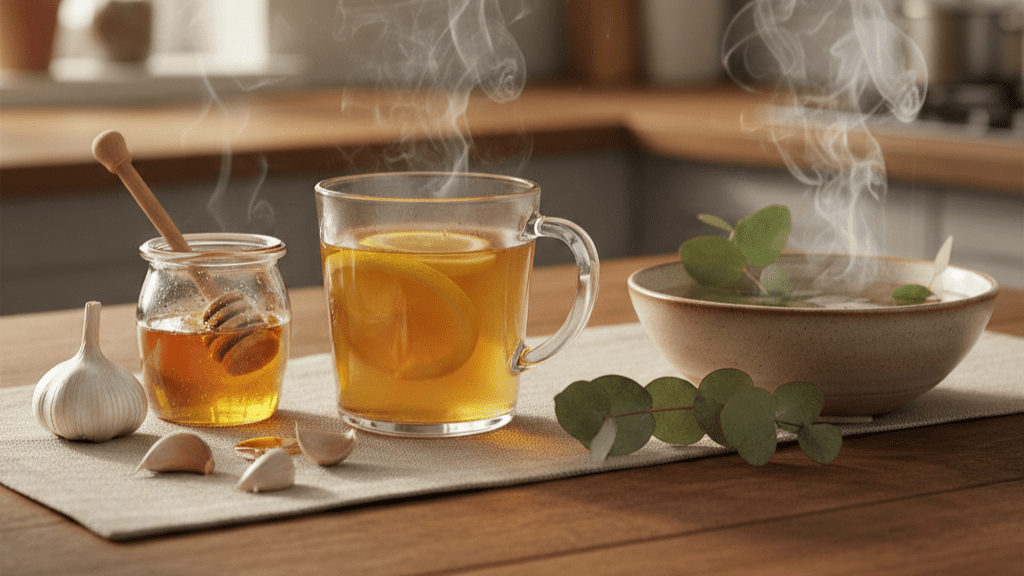
Colds and flu are among the most common seasonal illnesses worldwide. While they are usually mild, symptoms like sore throat, nasal congestion, cough, body aches, and fatigue can significantly affect daily life. Many people search for Home Remedies for Cold and Flu because they want fast, natural relief without immediately turning to medications.
This guide explores nine science-backed, natural remedies that help relieve symptoms, support the immune system, and speed up recovery safely.
1. Ginger Tea for Sore Throat and Congestion Relief
Ginger has been used for centuries in traditional medicine due to its anti-inflammatory and antiviral properties. Research shows ginger contains compounds like gingerol that may help reduce inflammation in the throat and respiratory tract.
Drinking warm ginger tea can soothe a sore throat by increasing saliva production and reducing irritation. The warmth also helps loosen mucus buildup in the nasal passages.
Ginger may support immune function by improving circulation, allowing immune cells to move efficiently through the bloodstream.
For best results, simmer fresh ginger slices in water for 10 minutes, add lemon and honey, and drink 2–3 times daily during symptoms.
2. Honey as a Natural Cough Suppressant
Honey is one of the most effective natural cold remedies supported by research. Studies published in pediatric journals show honey can reduce nighttime coughing better than some over-the-counter cough syrups.
Honey coats the throat lining, reducing irritation and suppressing the cough reflex naturally.
It also contains antioxidants and mild antibacterial properties, which may help fight secondary infections.
However, honey should never be given to children under one year due to the risk of botulism.
3. Steam Inhalation to Clear Nasal Congestion
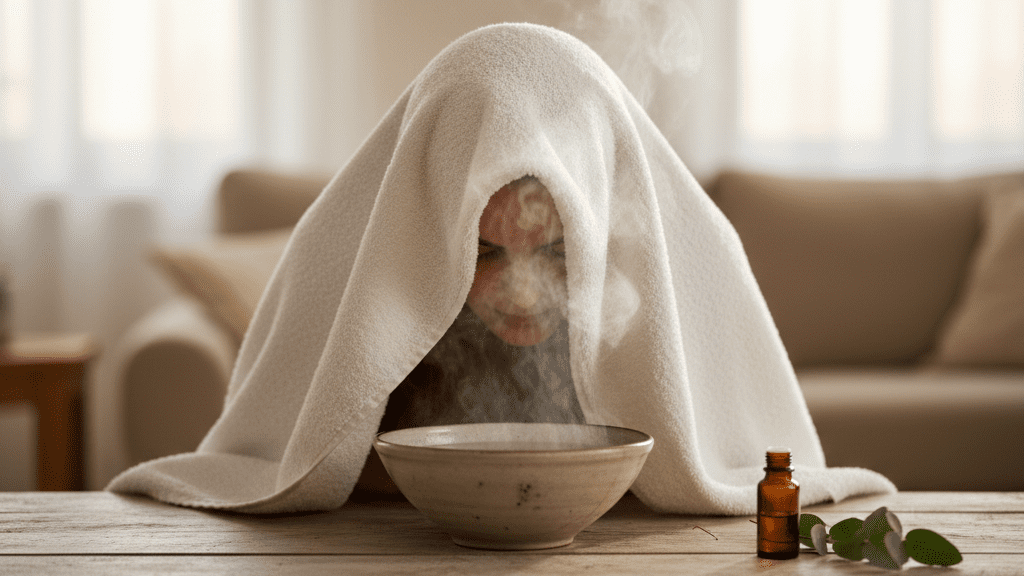
Steam inhalation is a traditional yet effective method to relieve nasal congestion and sinus pressure.
Warm steam helps loosen mucus and improve drainage in the sinuses, making breathing easier.
Adding eucalyptus oil may provide additional relief due to its decongestant properties, although essential oils should be used carefully.
This method is particularly helpful before bedtime to improve sleep quality during illness.
4. Salt Water Gargle for Sore Throat
Gargling warm salt water is a simple yet effective sore throat remedy.
Salt water reduces swelling by drawing fluids out of inflamed tissues.
It may also help flush out bacteria and viruses from the throat lining.
Use ½ teaspoon of salt in a glass of warm water and gargle several times daily.
5. Garlic for Immune System Support
Garlic contains allicin, a compound known for antimicrobial properties.
Some studies suggest garlic supplementation may reduce the frequency and severity of colds.
Raw garlic provides the strongest effect, but it can also be added to soups for milder intake.
Garlic may enhance immune response by stimulating white blood cell activity.
6. Hydration to Flush Out Toxins
Staying hydrated is crucial during cold and flu recovery.
Fluids help thin mucus, making it easier to expel.
Water, herbal teas, and broths prevent dehydration caused by fever.
Proper hydration supports kidney and liver function, aiding toxin removal.

7. Vitamin C Rich Foods to Boost Immunity
Vitamin C plays a key role in immune function.
Citrus fruits, bell peppers, and strawberries support immune cells.
While vitamin C does not cure colds, it may shorten symptom duration slightly.
A balanced diet ensures optimal nutrient intake for faster recovery.
8. Rest and Sleep for Faster Recovery
The immune system works more effectively during sleep.
Lack of rest prolongs recovery time.
Sleep enhances antibody production and immune regulation.
Aim for 7–9 hours of quality sleep during illness.
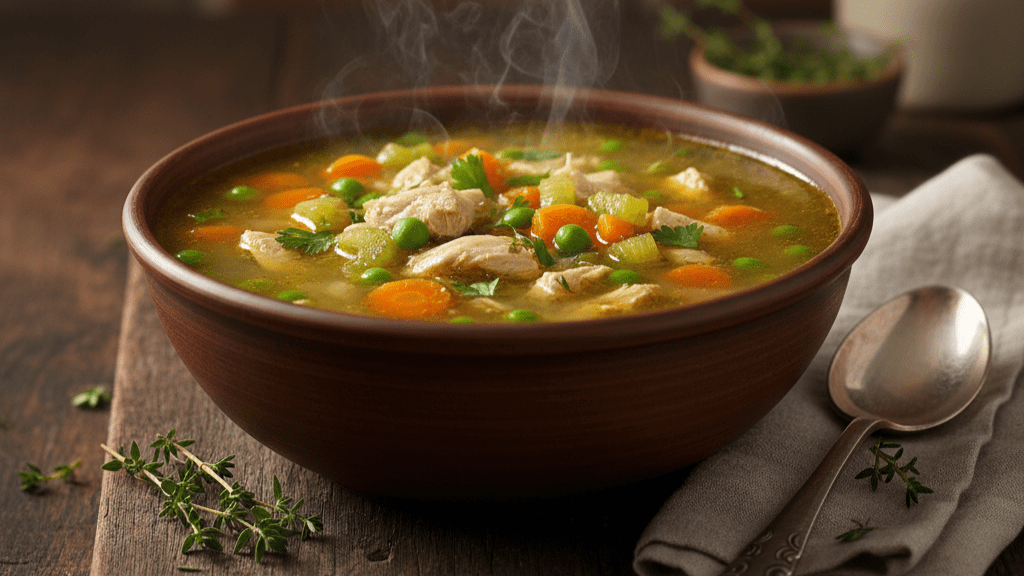
9. Warm Chicken Soup for Symptom Relief
Chicken soup has mild anti-inflammatory effects.
Warm broth helps relieve nasal congestion.
It provides hydration and electrolytes.
Its comforting effect reduces overall discomfort.
Frequently Asked Questions (FAQ)
How long does a cold usually last?
Most colds last 7–10 days, though mild cough may linger longer.
When should I see a doctor?
Seek medical care if you have high fever over 3 days, chest pain, or difficulty breathing.
Are antibiotics effective for flu?
No, antibiotics do not treat viral infections like flu.
Can home remedies replace medication?
They relieve symptoms but do not replace antiviral medications when prescribed.
Conclusion
Using Home Remedies for Cold and Flu can provide safe and effective symptom relief when used properly. While these remedies do not cure viral infections, they help the body recover comfortably and naturally. Always consult a healthcare professional if symptoms worsen or persist beyond typical duration.