Home Remedies for Allergies: 8 Effective Solutions That Really Work
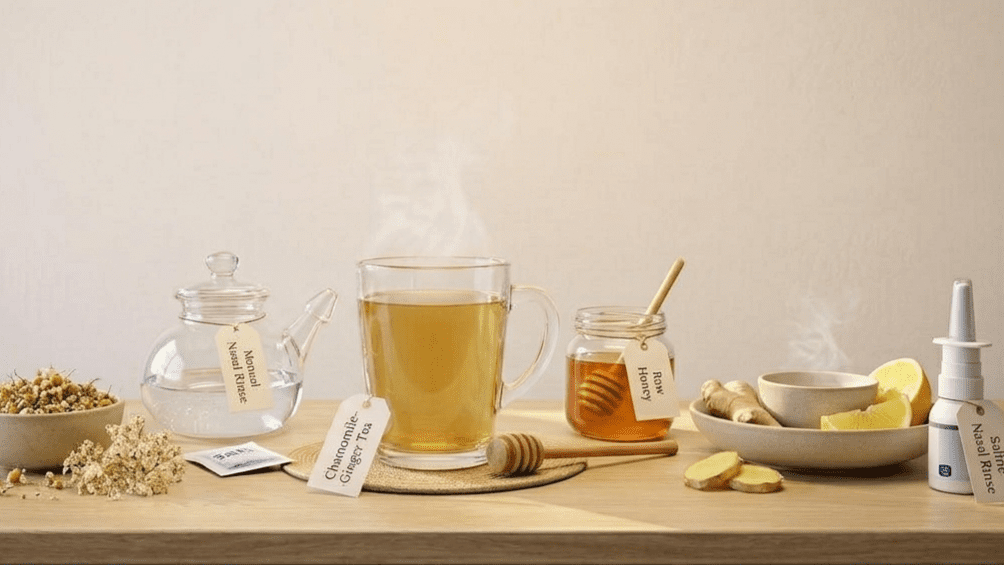
Allergies affect millions of people worldwide and can cause symptoms such as sneezing, congestion, itchy eyes, and sinus pressure. While medications like antihistamines are commonly used, many people also search for home remedies for allergies to support relief naturally. Research from the American College of Allergy, Asthma & Immunology and the Mayo Clinic confirms that certain lifestyle practices and natural remedies can help reduce exposure to allergens and relieve symptoms.
Many natural approaches work by reducing inflammation, clearing nasal passages, and improving indoor air quality. The following eight strategies are simple, accessible, and widely recommended as complementary solutions for allergy management.
1. Steam Inhalation for Nasal Relief
Steam inhalation is one of the simplest natural allergy remedies used to relieve nasal congestion and sinus pressure. Warm steam helps moisturize irritated nasal passages and loosen mucus buildup that often occurs during allergy flare-ups.
Inhaling steam increases moisture in the airways, which may temporarily reduce inflammation caused by airborne allergens such as pollen or dust. This can help open nasal passages and improve breathing comfort.
To use this remedy, boil water and pour it into a bowl, then lean over the bowl and inhale the steam slowly for about 10 minutes. Covering the head with a towel helps trap the steam for better inhalation.
Health guidance from the National Institutes of Health indicates that warm vapor can improve sinus drainage and help relieve congestion associated with allergies or upper respiratory irritation.
2. Saline Nasal Rinse

A saline nasal rinse is widely recommended by allergy specialists as an effective method to remove allergens from the nasal passages. This process flushes out pollen, dust, and other airborne particles that trigger allergic reactions.
Nasal irrigation is commonly performed with a neti pot, squeeze bottle, or saline spray. The saltwater solution gently clears mucus and irritants that accumulate inside the sinuses.
Studies referenced by the American Academy of Otolaryngology–Head and Neck Surgery show that regular nasal irrigation can improve airflow and reduce congestion in individuals with allergic rhinitis.
For safety, always use sterile, distilled, or previously boiled water when preparing saline solutions. This ensures the rinse is safe and prevents introducing harmful microorganisms into the sinuses.
3. Local Honey for Seasonal Allergies
Local honey is often suggested as a natural approach to managing seasonal allergy symptoms. Some people believe that consuming honey produced in the same region exposes the body to small amounts of local pollen.
This gradual exposure may help the immune system build tolerance to environmental allergens over time. Although scientific evidence remains limited, many individuals report reduced seasonal allergy symptoms with consistent use.
Honey also contains antioxidants and antimicrobial compounds that support immune health and soothe irritated throats caused by postnasal drip.
Adding a teaspoon of local honey to tea, yogurt, or smoothies is a simple daily habit. However, honey should never be given to children under one year old because of the risk of infant botulism.
4. Using HEPA Air Purifiers
Indoor air quality plays a major role in allergy symptoms. Many allergens such as dust mites, mold spores, and pet dander accumulate inside homes and may trigger persistent reactions.
High-Efficiency Particulate Air (HEPA) filters are designed to trap extremely small airborne particles. These filters can capture up to 99.97 percent of particles measuring 0.3 microns or larger.
Using an air purifier in frequently used rooms, especially bedrooms, can reduce allergen exposure and improve breathing comfort during sleep.
According to the Environmental Protection Agency, air filtration systems are an effective part of managing indoor allergy triggers.
5. Herbal Teas with Anti-Inflammatory Effects
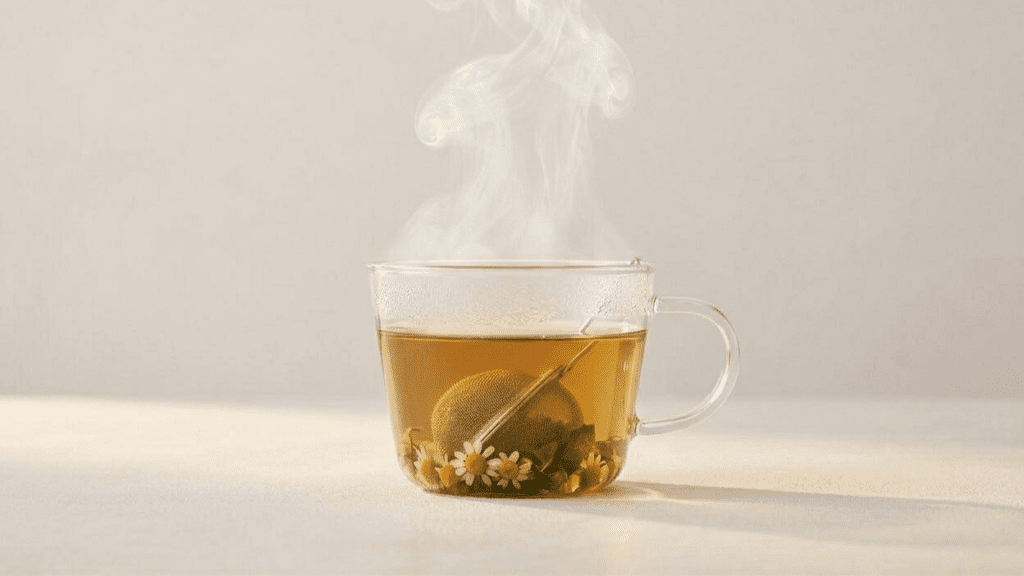
Herbal teas can provide soothing relief for irritated airways and throat discomfort caused by allergies. Warm liquids help hydrate the body and thin mucus, which supports sinus drainage.
Chamomile tea is widely known for its calming effects and contains natural compounds that may help reduce inflammation. Peppermint tea contains menthol, which can support easier breathing.
Ginger tea is another beneficial option because ginger contains anti-inflammatory compounds that may reduce swelling in nasal passages.
Drinking herbal tea regularly during allergy season can provide gentle symptom relief while also supporting overall hydration.
6. Quercetin-Rich Foods
Quercetin is a plant flavonoid that may act as a natural antihistamine food compound. Histamine release is responsible for many allergy symptoms including sneezing, itching, and watery eyes.
Certain fruits and vegetables naturally contain high levels of quercetin. Regular consumption of these foods may help support immune balance and reduce allergic reactions.
Foods rich in quercetin include apples, onions, berries, broccoli, grapes, and leafy greens. These foods also provide antioxidants that support overall health.
Research summarized by the Harvard T.H. Chan School of Public Health highlights the potential benefits of plant flavonoids in regulating inflammatory responses.
7. Showering After Outdoor Exposure
During high pollen seasons, allergens easily attach to clothing, skin, and hair. When someone returns indoors without cleaning these particles away, they can spread allergens throughout the home.
Taking a shower after spending time outdoors helps remove pollen and reduces ongoing exposure inside the house.
Changing clothes immediately after coming indoors also prevents pollen from transferring onto furniture or bedding.
This simple routine can significantly reduce nighttime allergy symptoms and is often recommended as a preventive strategy during peak allergy periods.
8. Maintaining Proper Indoor Humidity
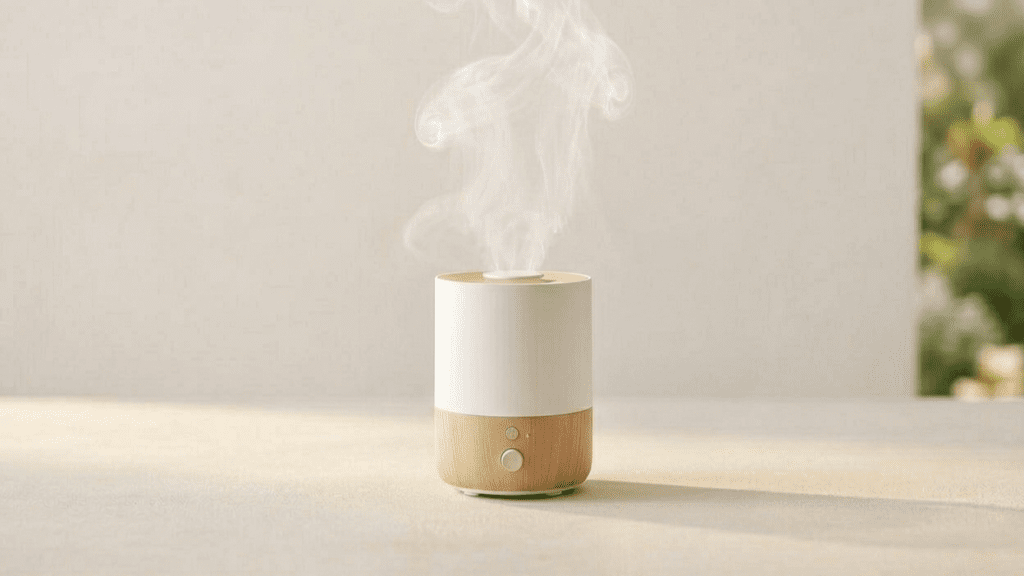
Air that is too dry can irritate the respiratory tract and worsen allergy symptoms. Maintaining balanced indoor humidity can help keep nasal passages comfortable.
Health experts generally recommend keeping indoor humidity levels between 40 and 50 percent. This range helps reduce dryness without encouraging mold growth.
Humidifiers add moisture to the air, which can relieve dry throat irritation and sinus discomfort caused by allergies.
Monitoring humidity levels with a hygrometer ensures that moisture stays within the recommended range for healthy indoor air.
Frequently Asked Questions (FAQ)
What are the best home remedies for allergies?
Some of the most effective home remedies for allergies include saline nasal rinses, steam inhalation, herbal teas, HEPA air purifiers, and maintaining healthy indoor humidity.
Can natural remedies replace allergy medication?
Natural remedies may reduce symptoms and improve comfort, but they are usually most effective when used alongside medical treatments recommended by healthcare professionals.
How often should a nasal rinse be used?
Many allergy specialists suggest using saline nasal irrigation once daily during allergy season, although frequency may vary depending on symptom severity.
What foods help reduce allergy symptoms?
Foods rich in quercetin, such as apples, onions, berries, and leafy greens, may support immune balance and help reduce inflammation linked to allergic reactions.
Conclusion
Managing allergies often requires a combination of strategies that reduce exposure to triggers and support respiratory comfort. Natural solutions can play an important supportive role in daily allergy management.
Practices such as saline rinsing, improving indoor air quality, consuming anti-inflammatory foods, and maintaining proper humidity can significantly reduce symptoms for many individuals. When used consistently, these home remedies for allergies can complement medical treatments and help improve overall quality of life during allergy season.
Read our article about Herbal Teas for Stress Relief for more information