Herbal Teas for Relaxation: 7 Best Options
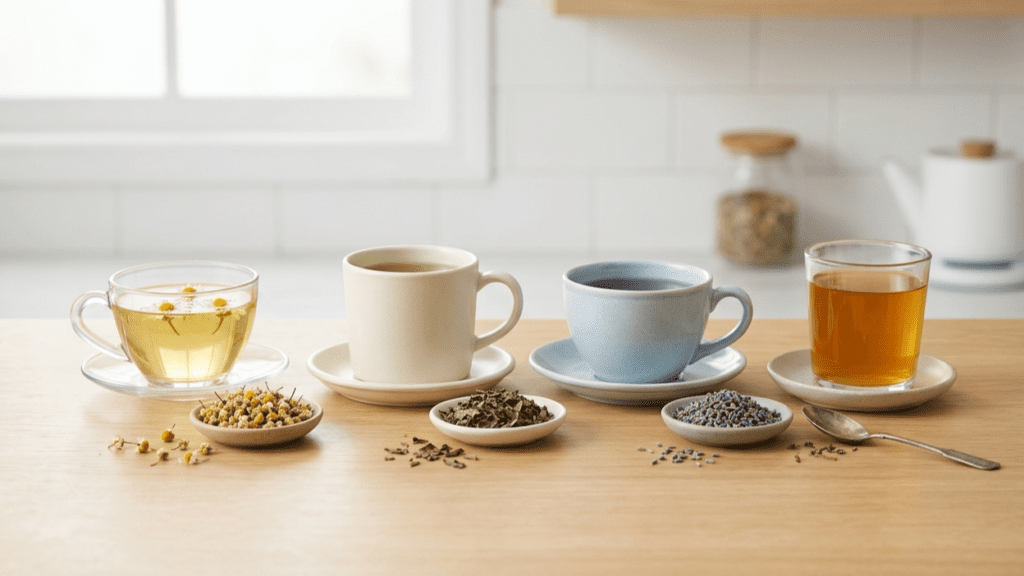
In today’s fast-paced world, many people look for natural ways to reduce stress and relax after busy days. One of the simplest and most effective solutions is drinking Herbal Teas for Relaxation. These soothing beverages have been used for centuries in traditional medicine to calm the mind, support sleep, and ease tension.
Unlike traditional teas made from the Camellia sinensis plant, herbal teas are made from dried flowers, leaves, roots, or seeds of various plants. Most herbal teas are naturally caffeine-free, which makes them ideal for evening consumption or relaxation routines.
Many herbs contain natural compounds that interact with the nervous system and promote calmness. Organizations such as the National Center for Complementary and Integrative Health (NCCIH) recognize that certain herbs may help reduce mild stress and support relaxation when consumed responsibly.
Below are seven of the best herbal teas for relaxation that can help calm the mind, support sleep, and create a peaceful moment during the day.
1. Chamomile Tea for Natural Calmness
Chamomile tea is one of the most well-known herbal teas for relaxation. It has been used for centuries as a gentle remedy for stress, anxiety, and sleep difficulties.
Chamomile contains antioxidants called apigenin, which bind to certain receptors in the brain that may promote sleepiness and relaxation. This makes chamomile tea a popular bedtime beverage.
Many people drink chamomile tea in the evening to help unwind after stressful days. Its mild floral flavor and soothing aroma contribute to a calming experience.
Research published in several sleep studies suggests that chamomile may improve sleep quality and reduce symptoms of mild insomnia when consumed regularly.
2. Peppermint Tea to Relieve Tension
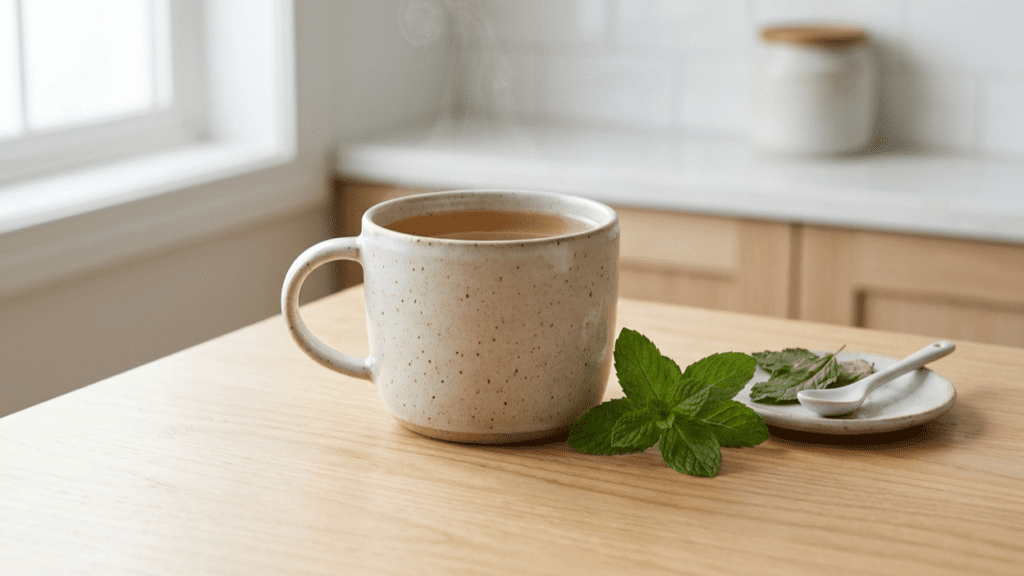
Peppermint tea is widely appreciated for its refreshing taste and soothing effects on the body. While it is often associated with digestive health, peppermint tea can also promote relaxation.
The natural menthol found in peppermint may help relax muscles and relieve physical tension. This effect can contribute to a general sense of calmness.
Peppermint tea is also caffeine-free, making it suitable for evening consumption without interfering with sleep.
Many people find that the cooling aroma of peppermint tea provides a refreshing mental break during stressful days.
3. Lavender Tea for Stress Relief
Lavender is widely known for its calming fragrance and relaxing properties. Lavender tea captures these soothing qualities in a warm, comforting drink.
The plant contains natural compounds believed to support relaxation by influencing the nervous system. Lavender is often used in aromatherapy for stress reduction and sleep support.
Drinking lavender tea in the evening can create a calming ritual that signals the body to wind down for rest.
Its light floral flavor pairs well with honey or lemon, making it both soothing and enjoyable.
4. Lemon Balm Tea for Mood Balance
Lemon balm is a member of the mint family and has long been used in traditional herbal medicine to support relaxation and emotional balance.
This herb contains compounds that may influence neurotransmitters related to mood and calmness. Some studies suggest that lemon balm may help reduce mild anxiety and promote relaxation.
Lemon balm tea has a mild citrus flavor that many people find refreshing. It can be consumed during the day or evening as part of a relaxation routine.
Because of its gentle calming properties, lemon balm tea is often recommended for individuals experiencing mild stress.
5. Passionflower Tea for Better Sleep
Passionflower is another herb commonly used to promote relaxation and improve sleep quality. It has been traditionally used in herbal medicine to calm the nervous system.
Researchers believe passionflower may increase levels of gamma-aminobutyric acid (GABA) in the brain, a chemical that helps regulate mood and relaxation.
Drinking passionflower tea before bedtime may help reduce mental overactivity and support more restful sleep.
Its mild earthy flavor makes it easy to combine with other calming herbs in herbal tea blends.
6. Valerian Root Tea for Deep Relaxation
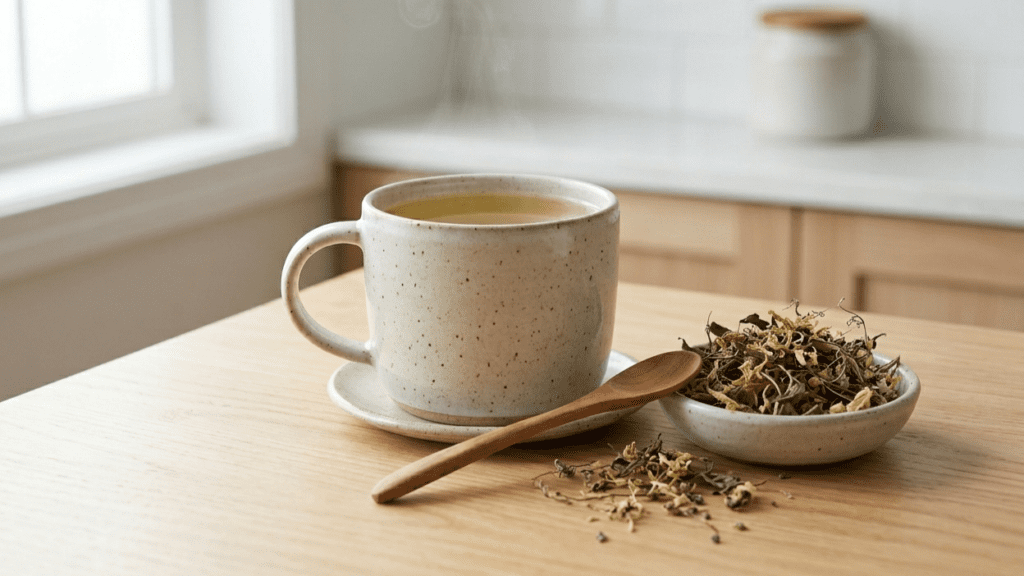
Valerian root has been used for centuries as a natural remedy for insomnia and anxiety. It is considered one of the stronger herbal teas for relaxation.
The compounds in valerian root may help increase levels of calming neurotransmitters in the brain. Because of this, valerian tea is often consumed before bedtime.
Some people find the taste slightly earthy or strong, but it can be improved by blending it with milder herbs like chamomile or lemon balm.
Although valerian tea may support sleep, it is best used occasionally rather than as a daily beverage for most individuals.
7. Ginger Tea for Relaxing Warmth
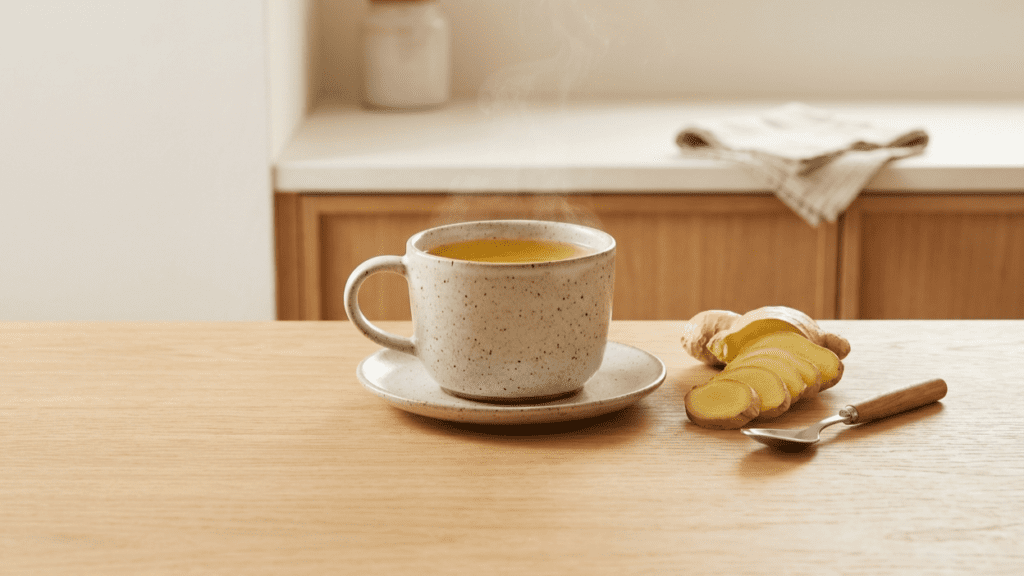
Ginger tea is widely recognized for its digestive benefits, but it can also provide a comforting sense of relaxation.
The warmth of ginger tea helps stimulate circulation and create a soothing sensation throughout the body. This effect can be particularly calming during colder months.
Ginger also contains antioxidants and anti-inflammatory compounds that support overall wellness.
Drinking ginger tea slowly can encourage mindfulness and relaxation while providing gentle digestive support.
Frequently Asked Questions
What is the most relaxing herbal tea?
Chamomile tea is often considered the most relaxing herbal tea because it contains compounds that may promote calmness and sleep.
Can herbal teas reduce stress?
Some herbal teas contain plant compounds that support relaxation and may reduce mild stress. However, they should not replace medical treatments for anxiety disorders.
Is it safe to drink herbal tea every day?
Most herbal teas are safe when consumed in moderate amounts. However, individuals with medical conditions or those taking medications should consult healthcare professionals before using certain herbs regularly.
When is the best time to drink herbal tea for relaxation?
Evening or bedtime is the most common time to drink herbal teas for relaxation, especially varieties like chamomile, lavender, and passionflower.
Conclusion
Herbal beverages have long been valued for their calming and restorative properties. Drinking Herbal Teas for Relaxation can be a simple and enjoyable way to reduce stress and support emotional well-being.
Options such as chamomile, lavender, lemon balm, and passionflower provide gentle calming effects that can help create relaxing daily rituals. Whether enjoyed during a quiet break or before bedtime, these herbal teas encourage moments of calm in busy lifestyles.
By incorporating relaxing herbal teas into your routine, you can support relaxation naturally while also enjoying warm, flavorful beverages that contribute to overall wellness.
Read our article about Herbal Remedies for Energy