Foods to Lower Blood Pressure: 7 Healthy Choices
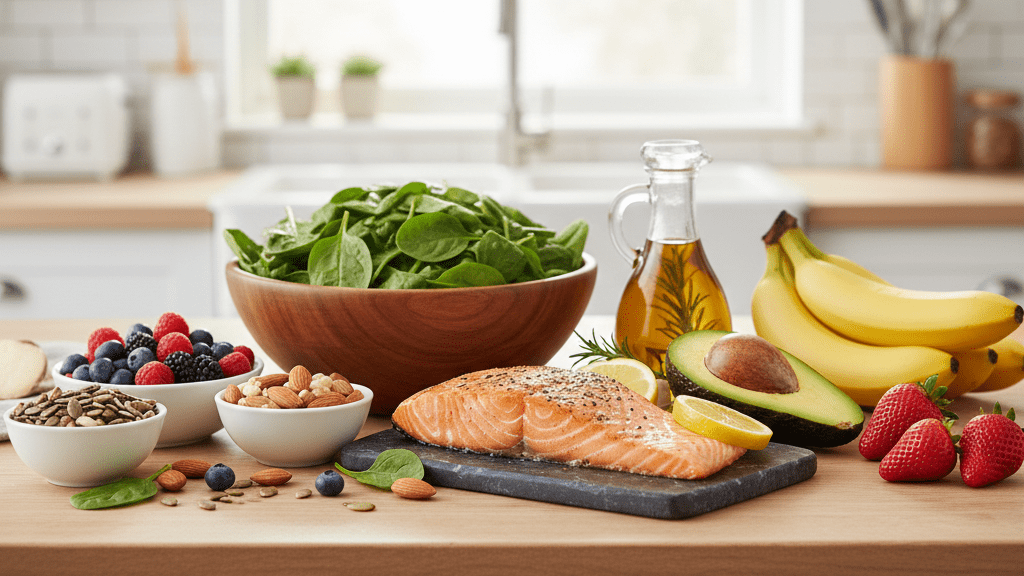
High blood pressure, also known as hypertension, is one of the leading risk factors for heart disease and stroke worldwide. Many people rely solely on medications, but research shows that diet plays a powerful role in managing blood pressure naturally. Choosing the right foods to lower blood pressure can significantly improve cardiovascular health and reduce long-term health risks.
This guide highlights seven scientifically supported food choices that help regulate blood pressure levels naturally. By incorporating these nutrient-rich foods into your daily diet, you can support heart health while enjoying delicious and satisfying meals.
1. Leafy Green Vegetables Support Natural Blood Pressure Control
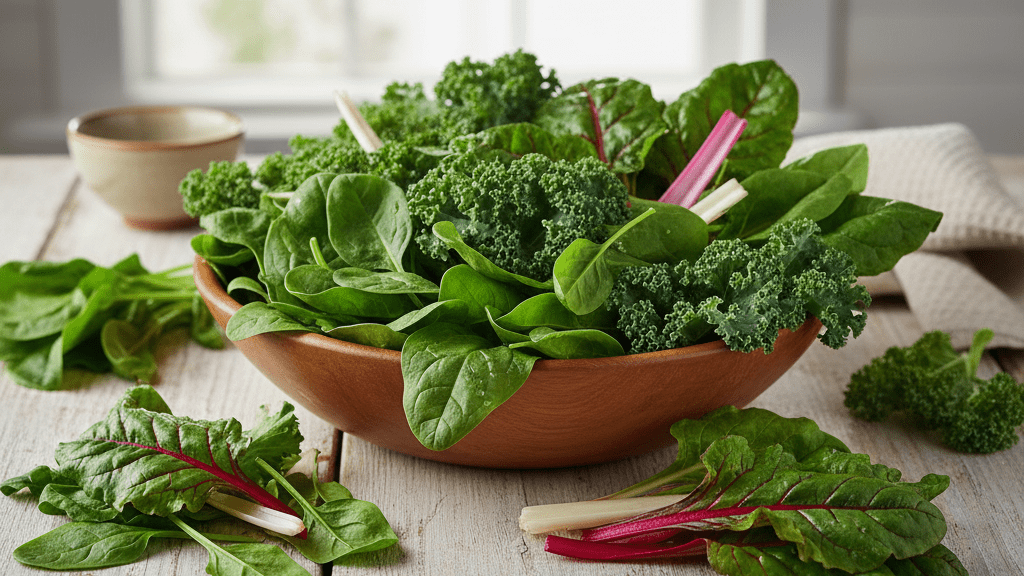
Leafy greens such as spinach, kale, and Swiss chard are among the best foods to lower blood pressure naturally. These vegetables are rich in potassium, a mineral that helps the kidneys remove excess sodium from the body. Lower sodium levels contribute to reduced blood vessel tension and improved circulation.
Research published by cardiovascular health organizations shows that individuals who consume potassium-rich foods experience improved blood pressure regulation. Leafy greens also contain antioxidants that protect blood vessels from oxidative stress and inflammation, which are common contributors to hypertension.
Adding leafy greens to daily meals is simple and versatile. They can be blended into smoothies, added to salads, or cooked as side dishes. Regular consumption supports long-term heart health and reduces the risk of developing chronic cardiovascular conditions.
Fresh or lightly cooked leafy greens preserve essential nutrients better than heavily processed options. Choosing organic or fresh produce ensures higher nutrient content and supports overall wellness.
2. Berries Provide Powerful Antioxidants for Heart Health
Berries such as blueberries, strawberries, and raspberries are well-known for their high antioxidant content. They contain anthocyanins, plant compounds that help improve blood vessel function and reduce blood pressure levels.
Studies have linked regular berry consumption with improved cardiovascular markers and reduced risk of hypertension. These fruits help increase nitric oxide production, which relaxes blood vessels and enhances blood circulation.
Berries are easy to incorporate into breakfast meals, yogurt, or healthy snacks. Their natural sweetness makes them a nutritious alternative to sugary desserts and processed foods.
Additionally, berries support overall immune function and reduce inflammation. Their combination of vitamins, minerals, and fiber contributes to balanced blood sugar and improved metabolic health.
3. Fatty Fish Rich in Omega-3 Help Reduce Hypertension
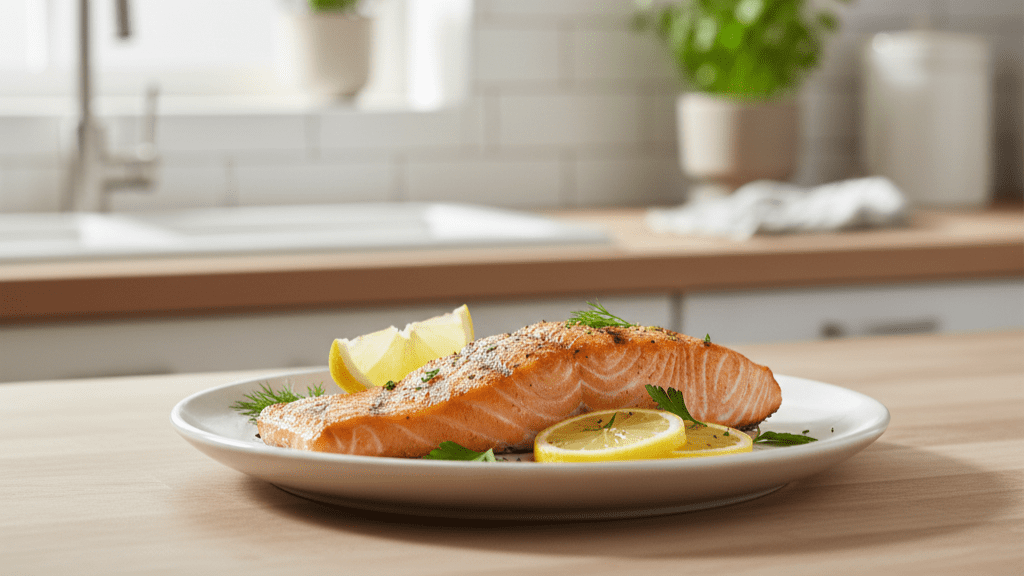
Fatty fish such as salmon, mackerel, and sardines are excellent sources of omega-3 fatty acids. These healthy fats are known to reduce inflammation, improve cholesterol levels, and support heart function.
Omega-3 fatty acids help reduce blood vessel stiffness and improve arterial flexibility. Research indicates that individuals who regularly consume fatty fish have lower blood pressure and reduced risk of cardiovascular disease.
Including fish in meals at least twice per week is recommended by many heart health organizations. Grilling, baking, or steaming fish preserves its nutritional value while reducing unhealthy fat intake.
Omega-3 fatty acids also support brain health and reduce stress levels, which can indirectly help manage stress headache remedies and cardiovascular conditions.
4. Bananas Improve Potassium Intake and Heart Function
Bananas are among the most convenient and affordable foods that prevent high blood pressure. They are rich in potassium, which helps regulate fluid balance and reduce sodium retention.
Regular banana consumption supports nerve and muscle function while improving cardiovascular efficiency. Potassium helps relax blood vessel walls, allowing blood to flow more easily and reducing hypertension risk.
Bananas can be consumed as snacks, blended into smoothies, or added to breakfast meals. Their natural sugars provide sustained energy without causing sudden blood sugar spikes.
Additionally, bananas contain fiber that supports digestive health and weight management, both of which play roles in blood pressure regulation.
5. Nuts and Seeds Provide Magnesium for Blood Pressure Regulation
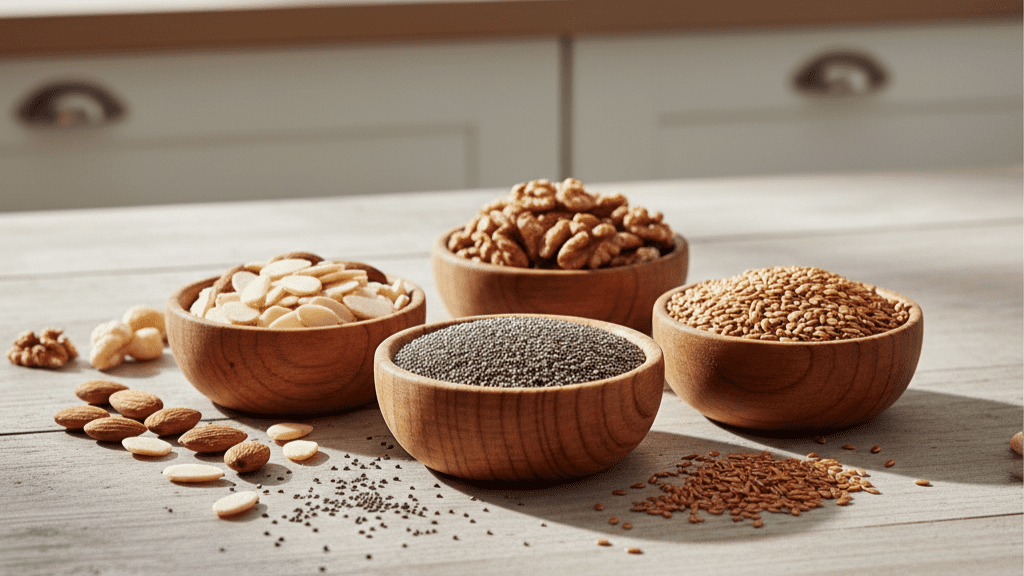
Nuts and seeds such as almonds, walnuts, chia seeds, and flaxseeds are excellent sources of magnesium for migraine prevention and blood pressure control. Magnesium helps relax blood vessels and supports proper nerve signaling.
Studies show that magnesium deficiency may increase the risk of hypertension. Consuming magnesium-rich foods improves blood vessel relaxation and supports healthy circulation.
Nuts and seeds also contain healthy fats, protein, and fiber that support balanced cholesterol levels. Regular consumption can reduce inflammation and improve overall cardiovascular function.
Adding nuts and seeds to salads, oatmeal, or smoothies provides convenient nutritional benefits without excessive calorie intake when consumed in moderation.
6. Olive Oil Supports Healthy Blood Circulation
Olive oil is a key component of the Mediterranean diet, which is strongly associated with improved heart health. Extra virgin olive oil contains polyphenols that reduce inflammation and protect blood vessels.
Replacing saturated fats with olive oil helps lower bad cholesterol levels and improves arterial flexibility. Research indicates that individuals following Mediterranean dietary patterns experience lower hypertension rates.
Olive oil can be used in salad dressings, cooking, or as a healthy fat substitute in many recipes. Its antioxidant properties contribute to long-term cardiovascular protection.
Regular consumption of olive oil supports metabolic health and reduces the risk of chronic diseases linked to poor dietary habits.
7. Garlic Helps Naturally Reduce Blood Pressure Levels
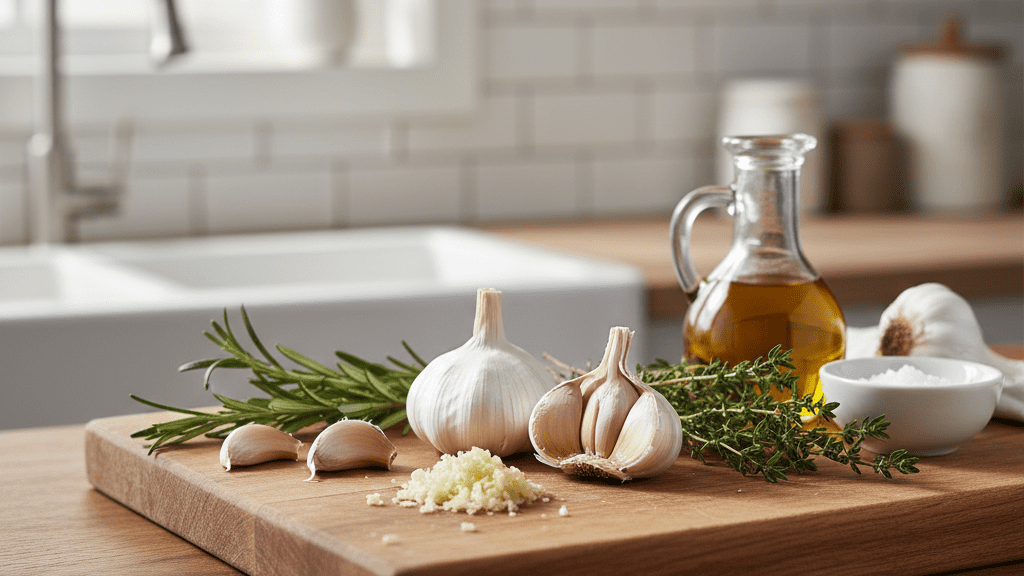
Garlic has been widely studied as one of the most effective natural headache treatments and cardiovascular-supporting foods. It contains allicin, a compound known to relax blood vessels and improve blood flow.
Clinical studies suggest that garlic supplementation can significantly reduce systolic and diastolic blood pressure. Its anti-inflammatory and immune-supporting properties make it valuable for overall wellness.
Garlic can be consumed raw, cooked, or as dietary supplements. Including fresh garlic in meals enhances flavor while providing natural therapeutic benefits.
Regular garlic consumption supports immune function, reduces cholesterol, and contributes to improved vascular health.
Frequently Asked Questions (FAQ)
Can diet alone reduce high blood pressure?
Diet plays a major role in blood pressure management. Many people experience improvement when combining healthy foods with lifestyle changes and medical supervision.
How quickly can foods lower blood pressure?
Some dietary changes show improvement within weeks, but long-term consistency is essential for sustained results.
Are potassium-rich foods safe for everyone?
Most individuals benefit from potassium-rich foods, but people with kidney disease should consult healthcare professionals before increasing intake.
Is the Mediterranean diet effective for hypertension?
Yes, numerous studies confirm that Mediterranean dietary patterns significantly improve cardiovascular health and blood pressure control.
Conclusion
Choosing the right foods to lower blood pressure is one of the most effective natural strategies for improving heart health. Leafy greens, berries, fatty fish, bananas, nuts, olive oil, and garlic provide essential nutrients that support healthy blood circulation and reduce hypertension risk. Consistently incorporating these foods into daily meals promotes long-term cardiovascular wellness and overall vitality.