Foods to Improve Digestion: 10 Powerful & Easy Choices for a Happier Gut
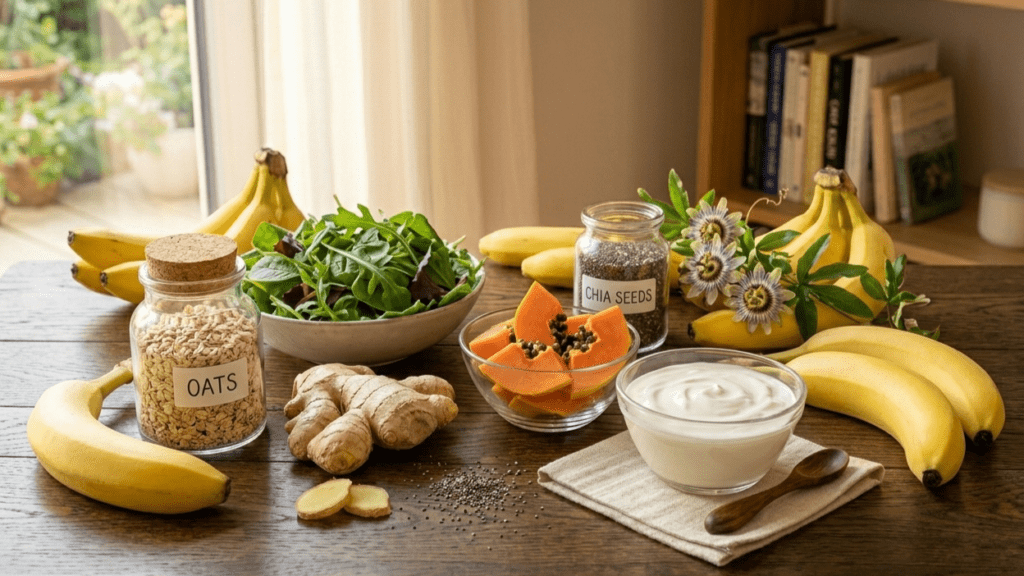
Digestive health plays a central role in overall wellness. From nutrient absorption to immune support and mood balance, the gut influences far more than many people realize. If you frequently experience bloating, constipation, acid reflux, or irregular bowel movements, adjusting your diet may provide noticeable relief. That’s why many people search for Foods to Improve Digestion as a natural and sustainable solution.
The digestive system depends on fiber, enzymes, beneficial bacteria, and proper hydration to function efficiently. Certain foods support gut microbiota balance, enhance motility, and reduce inflammation. Below are ten science-backed, easy-to-find options that can help improve digestion naturally.
Why Diet Matters for Gut Health and Digestion
The digestive tract contains trillions of microorganisms collectively known as the gut microbiome. These bacteria help break down food, produce vitamins, and regulate immune responses.
A diet low in fiber and high in processed foods can disrupt microbial balance, leading to bloating, sluggish digestion, and discomfort.
Fiber-rich and fermented foods promote beneficial bacteria growth, improving stool consistency and nutrient absorption.
Hydrating foods and natural digestive enzymes further support smooth gastrointestinal function.
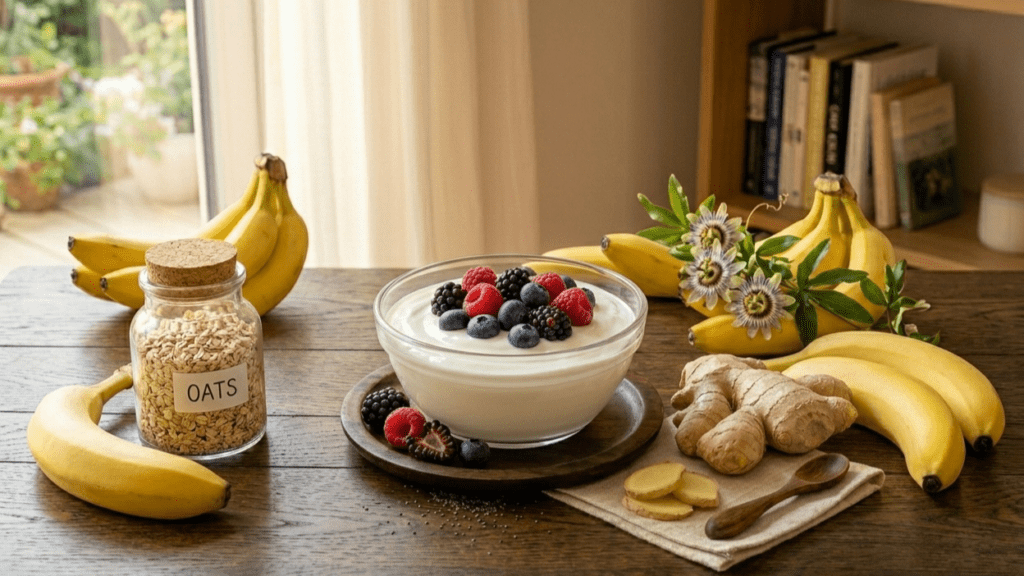
1. Yogurt with Probiotics – Supporting Gut Microbiota Balance
Yogurt containing live cultures is one of the most well-known digestive-support foods. Probiotics are beneficial bacteria that help restore balance in the gut.
Clinical research shows certain probiotic strains may reduce symptoms of irritable bowel syndrome (IBS) and antibiotic-associated diarrhea.
Probiotics also help improve lactose digestion in individuals who are mildly lactose intolerant.
Choose plain yogurt with active cultures and minimal added sugar for best results.
2. Oats – A Gentle Fiber Powerhouse
Oats are rich in soluble fiber, particularly beta-glucan, which helps regulate bowel movements.
Soluble fiber absorbs water and forms a gel-like substance that softens stool and supports healthy elimination.
Regular oat consumption may reduce constipation and improve gut transit time.
Oats also act as prebiotics, feeding beneficial gut bacteria.
3. Ginger – Natural Digestive Relief
Ginger has been traditionally used to relieve nausea and digestive discomfort.
Research suggests it may accelerate gastric emptying, helping food move more efficiently through the digestive tract.
It may also reduce bloating and mild indigestion by relaxing intestinal muscles.
Fresh ginger tea or grated ginger in meals can provide digestive support.
4. Papaya – Enzyme-Rich Digestive Aid
Papaya contains papain, a natural enzyme that helps break down proteins.
This enzymatic activity may ease digestion and reduce bloating after heavy meals.
Papaya is also rich in fiber, supporting regular bowel movements.
Consuming fresh papaya regularly may improve digestive comfort.
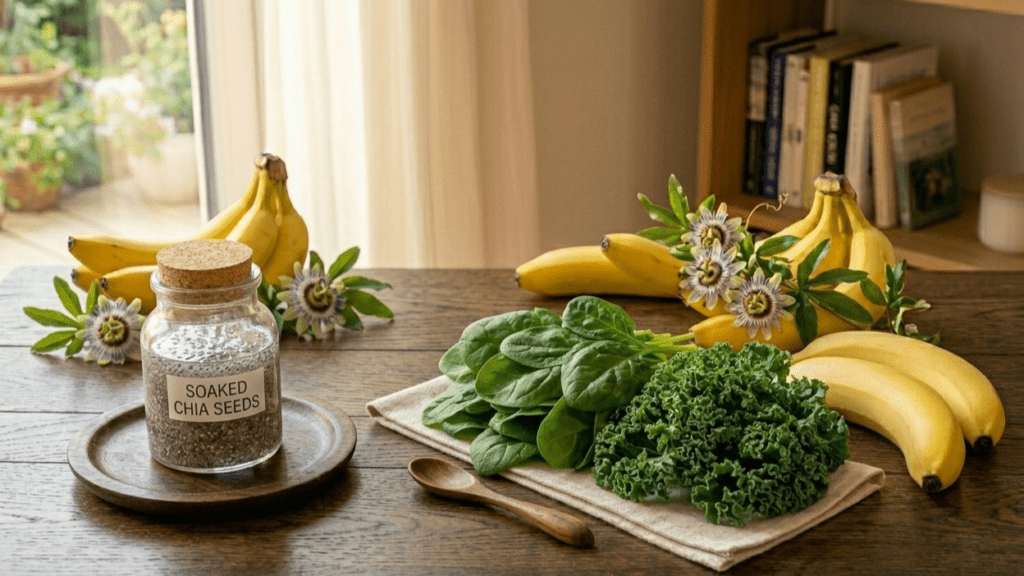
5. Leafy Greens – Supporting Gut Motility
Leafy greens such as spinach and kale contain magnesium, which helps relax intestinal muscles.
They also provide insoluble fiber that promotes stool bulk and regularity.
Chlorophyll in greens may support detoxification processes in the gut.
Including greens daily can contribute to improved digestive rhythm.
6. Chia Seeds – Fiber for Smooth Elimination
Chia seeds absorb water and form a gel-like texture in the digestive tract.
This supports smoother stool passage and may reduce constipation.
They provide both soluble and insoluble fiber for balanced digestive support.
Soak chia seeds before consuming to maximize benefits.
7. Bananas – Gentle on the Stomach
Bananas are easy to digest and contain pectin, a soluble fiber.
They may help normalize bowel function during mild digestive upset.
Bananas also replenish potassium lost during diarrhea.
They are ideal for individuals with sensitive stomachs.
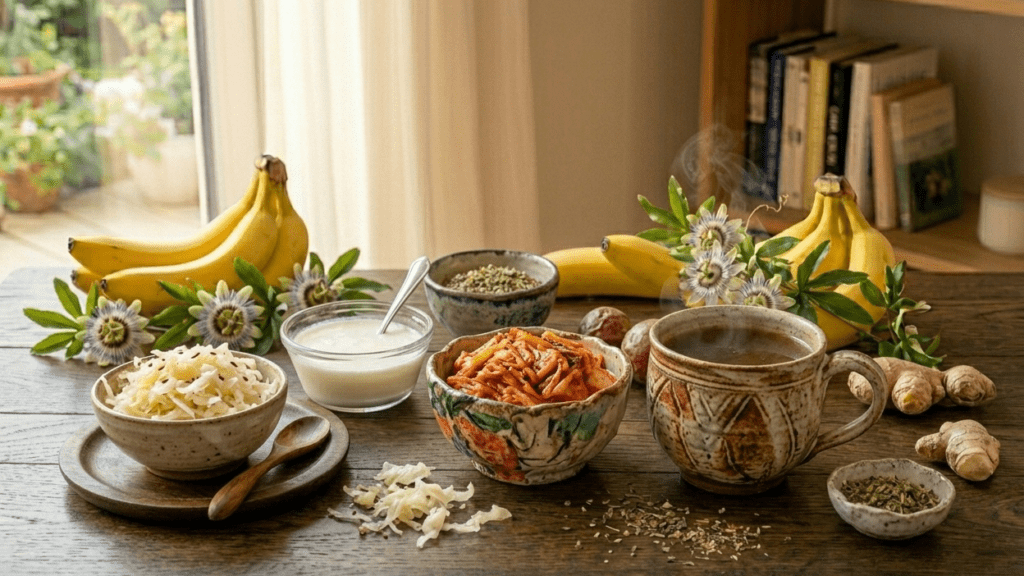
8. Fermented Foods – Natural Probiotic Sources
Foods like sauerkraut, kefir, and kimchi provide live beneficial bacteria.
Fermented foods support microbiome diversity.
Regular intake may improve digestive efficiency and immune resilience.
Start with small portions to allow your gut to adapt.
9. Apples – Prebiotic Fiber for Gut Health
Apples contain pectin, which acts as a prebiotic.
Prebiotics feed beneficial bacteria and improve gut flora balance.
Apple fiber may reduce constipation and support regularity.
Eating apples with skin maximizes fiber intake.
10. Bone Broth – Soothing the Digestive Lining
Bone broth contains gelatin and amino acids like glycine.
These compounds may support gut lining integrity.
Warm broth can be soothing during digestive distress.
It also contributes hydration and minerals.
Frequently Asked Questions (FAQ)
How quickly can foods improve digestion?
Some foods like ginger may provide immediate relief, while fiber-rich options may take several days for noticeable improvements.
Is fiber always good for digestion?
Yes, but it should be increased gradually to avoid bloating.
Are probiotics necessary for everyone?
Not necessarily. Many people benefit from fermented foods without supplements.
How much water should I drink?
Adequate hydration is essential, especially when increasing fiber intake.
Conclusion
Incorporating Foods to Improve Digestion into your daily meals can significantly enhance gut function, reduce discomfort, and support overall health. From probiotic-rich yogurt to fiber-packed oats and enzyme-rich papaya, these simple dietary additions promote smoother digestion naturally. Consistency, hydration, and a balanced diet remain key to long-term digestive wellness.