Daily Stretches for Flexibility: 10 Easy Moves
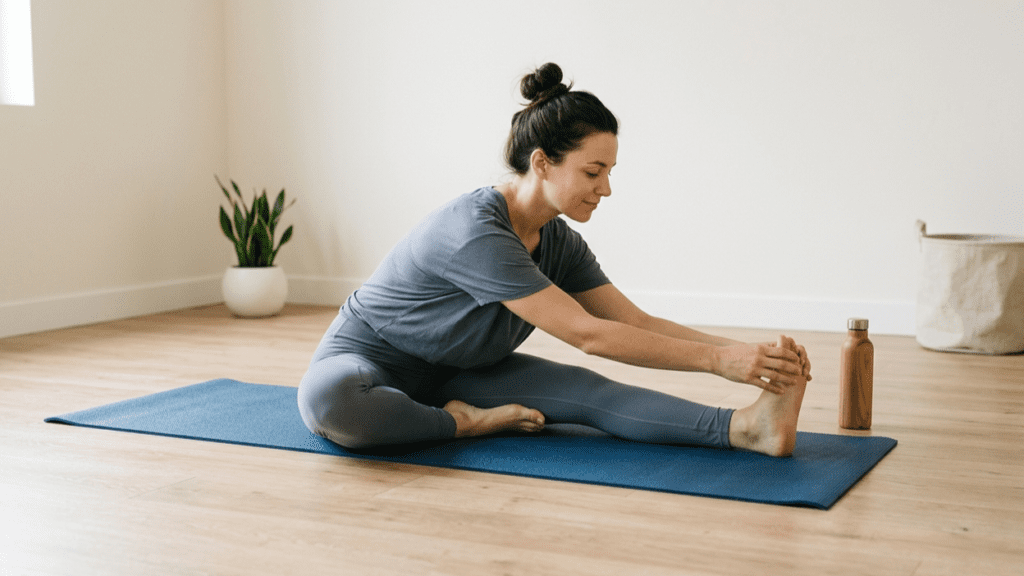
Flexibility is an important component of overall fitness and physical well-being. Many people focus on strength or cardio training but overlook stretching, which plays a critical role in maintaining healthy muscles and joints. Practicing Daily Stretches for Flexibility can help improve mobility, reduce muscle tension, and support better posture throughout the day.
As the body ages, muscles naturally become tighter and joints lose some range of motion. Regular stretching helps counteract this process by lengthening muscles and keeping connective tissues flexible. Health organizations such as the American College of Sports Medicine (ACSM) recommend incorporating stretching into regular exercise routines to maintain functional mobility.
Daily stretching routines do not require advanced training or expensive equipment. Simple movements performed consistently can gradually improve flexibility while reducing the risk of injuries during physical activity.
Below are 10 easy daily stretches for flexibility that can be performed at home to improve mobility, release muscle tension, and support overall physical health.
1. Neck Stretch to Reduce Tension
Neck stiffness is common among people who spend long hours sitting at a desk or looking at screens. A simple neck stretch can help release built-up tension and improve flexibility in the upper spine.
To perform this stretch, sit or stand upright and gently tilt your head toward one shoulder. Hold the position for about 15–20 seconds before switching sides. This movement lengthens the muscles along the side of the neck.
Slow breathing during the stretch helps relax the muscles and prevents unnecessary strain. Avoid forcing the stretch, as gentle movements are more effective for improving flexibility over time.
Performing this stretch daily can help reduce neck tightness and improve posture, especially for individuals who spend significant time working on computers.
2. Shoulder Stretch for Upper Body Mobility
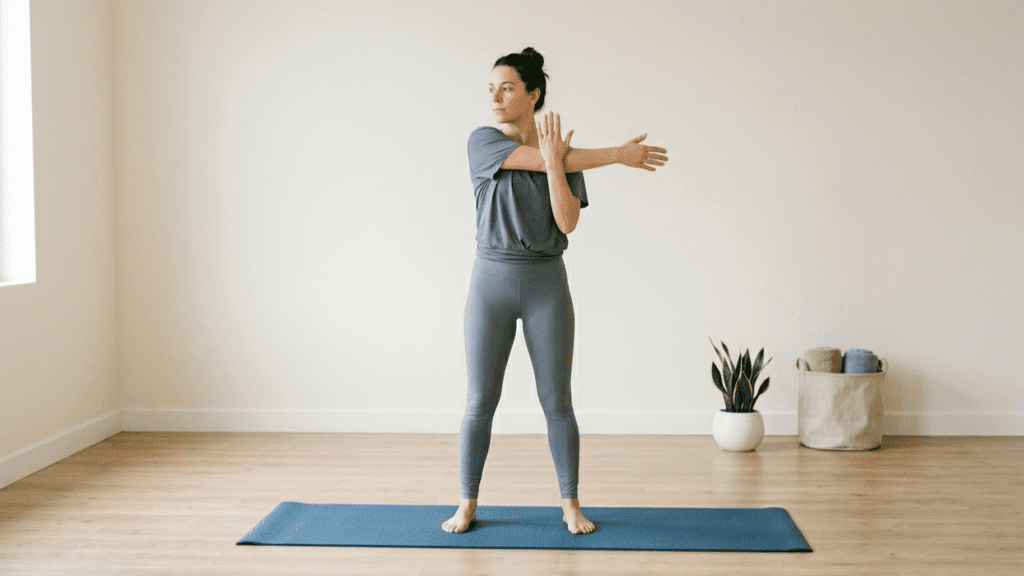
The shoulders are one of the most mobile joints in the body, but they can also become tight due to poor posture and repetitive movements. Shoulder stretches help maintain mobility and prevent stiffness.
A common shoulder stretch involves bringing one arm across the chest and gently pulling it closer with the opposite hand. Hold the stretch for about 20 seconds while keeping the shoulders relaxed.
This movement targets the deltoid and upper back muscles, which often become tight after long periods of sitting. Regular stretching helps restore mobility and improve shoulder function.
Incorporating shoulder stretches into a daily routine can also support better posture and reduce discomfort in the upper body.
3. Chest Stretch to Improve Posture
Modern lifestyles often involve sitting and leaning forward toward screens. This posture can cause tightness in the chest muscles and weaken the upper back.
A chest stretch helps counteract this issue by opening the front of the body. To perform the stretch, stand tall and clasp your hands behind your back. Gently lift your arms while expanding your chest.
This movement stretches the pectoral muscles and encourages proper alignment of the shoulders and spine. Maintaining this position for about 20 seconds can help relieve tightness.
Practicing this stretch daily supports better posture and can reduce discomfort caused by prolonged sitting.
4. Cat-Cow Stretch for Spinal Flexibility
The cat-cow stretch is a popular movement in yoga that improves spinal mobility and flexibility. It involves alternating between arching and rounding the back while positioned on hands and knees.
During the “cow” position, the back gently arches while the chest lifts and the head looks forward. In the “cat” position, the spine rounds upward while the head drops toward the chest.
This movement helps lubricate the joints of the spine and promotes healthy spinal movement. It also stretches muscles along the back and abdomen.
Performing several slow repetitions of cat-cow each day can help relieve back stiffness and improve overall spinal flexibility.
5. Seated Forward Bend for Hamstrings
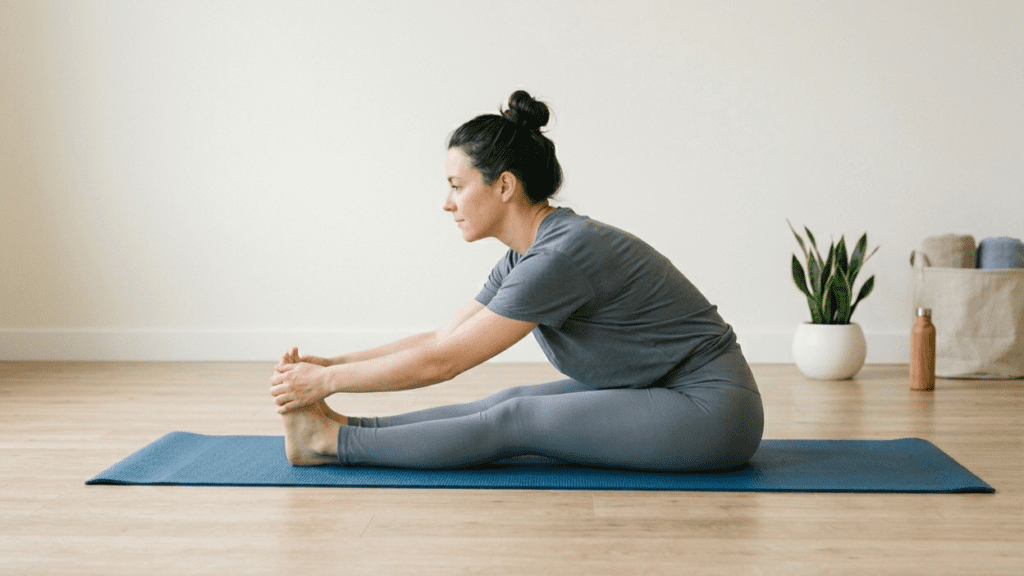
Tight hamstrings are common among individuals who sit for extended periods. Stretching these muscles helps improve flexibility in the legs and lower back.
The seated forward bend is a simple stretch performed while sitting on the floor with legs extended forward. Slowly reach toward the toes while keeping the back straight.
This stretch lengthens the hamstrings and promotes flexibility in the lower body. Holding the position for 20–30 seconds allows the muscles to gradually relax.
Consistent practice of this stretch can help improve posture and reduce strain on the lower back.
6. Hip Flexor Stretch for Lower Body Mobility
Hip flexors often become tight due to prolonged sitting. Stretching these muscles is essential for maintaining lower body mobility and preventing discomfort.
The hip flexor stretch can be performed in a kneeling position with one knee on the floor and the other foot placed forward. Gently shift the hips forward while keeping the torso upright.
This movement stretches the muscles at the front of the hips and thighs. Holding the stretch for 20–30 seconds helps lengthen the muscles safely.
Regular hip flexor stretching supports better walking mechanics and may reduce lower back strain.
7. Standing Quad Stretch for Leg Flexibility
The quadriceps muscles are located at the front of the thigh and play a major role in walking, running, and climbing stairs. Stretching them helps maintain flexibility in the legs.
To perform this stretch, stand upright and gently pull one foot toward the glutes while holding the ankle. Keep the knees close together and maintain balance.
This movement stretches the quadriceps and hip flexors simultaneously. Holding the stretch for about 20 seconds is usually sufficient for improving flexibility.
Adding this stretch to a daily routine helps maintain healthy leg mobility and may reduce muscle tightness after exercise.
8. Butterfly Stretch for Inner Thighs
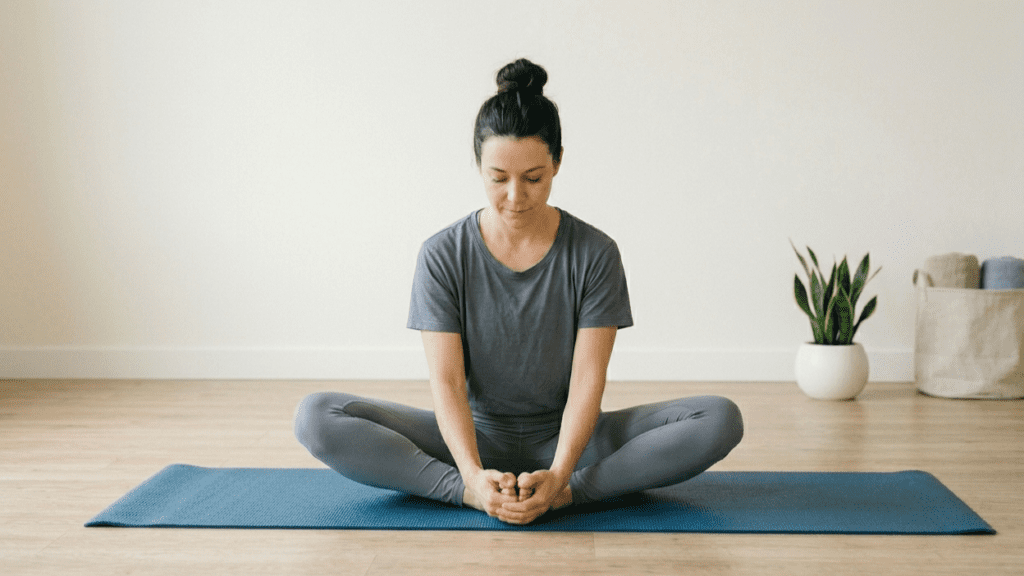
The butterfly stretch targets the inner thigh muscles, also known as the adductors. These muscles support hip stability and play a role in many everyday movements.
To perform the stretch, sit on the floor and bring the soles of the feet together. Allow the knees to gently drop toward the floor.
Light pressure on the knees can deepen the stretch, but it should be applied carefully to avoid strain. Maintaining the stretch for 20–30 seconds helps lengthen the inner thigh muscles.
Regular practice improves hip flexibility and supports better movement during physical activities.
9. Child’s Pose for Full Back Stretch
Child’s Pose is a gentle stretch commonly used in yoga to relax the body and stretch the back muscles. It is particularly helpful for relieving tension after physical activity.
The stretch begins by kneeling on the floor and sitting back on the heels. The arms extend forward while the chest lowers toward the ground.
This movement stretches the lower back, hips, and shoulders simultaneously. Slow breathing during the pose encourages muscle relaxation.
Holding Child’s Pose for 30 seconds or longer can provide a calming effect while improving flexibility in the spine and hips.
10. Calf Stretch for Lower Leg Mobility
The calf muscles play a vital role in walking and balance. Tight calves can limit ankle mobility and increase the risk of injury.
A simple calf stretch involves standing facing a wall with one foot forward and the other extended behind. The back heel remains on the floor while the front knee bends slightly.
This position stretches the calf muscles and Achilles tendon. Holding the stretch for 20–30 seconds helps lengthen the muscles safely.
Performing calf stretches daily supports healthy movement and can improve overall lower leg flexibility.
Frequently Asked Questions
How often should I perform daily stretches for flexibility?
Most fitness experts recommend stretching at least once per day. Consistency is more important than intensity, and even short sessions can improve flexibility over time.
How long should each stretch be held?
According to the American College of Sports Medicine, holding each stretch for 15–30 seconds is typically effective for improving flexibility while avoiding muscle strain.
Can stretching reduce the risk of injury?
Yes. Regular stretching helps maintain joint mobility and muscle elasticity, which can reduce the likelihood of strains during physical activity.
Is it better to stretch in the morning or evening?
Both times can be beneficial. Morning stretching helps awaken the muscles, while evening stretching may reduce tension accumulated during the day.
Conclusion
Incorporating Daily Stretches for Flexibility into your routine can greatly improve mobility, reduce muscle tension, and support better posture. These simple movements require only a few minutes each day but provide lasting benefits for overall physical health.
Stretching regularly keeps muscles long and joints mobile, which supports everyday activities and reduces discomfort caused by inactivity. Over time, consistent stretching can enhance physical performance and improve body awareness.By practicing these 10 easy stretches, you can gradually build flexibility, support healthy movement patterns, and promote long-term musculoskeletal health.
Read our article about Yoga Poses for Flexibility
Pingback: Quick Morning Workouts: 8 Easy Routines for Strong Day Start