Breathing Exercises for Focus: 8 Techniques
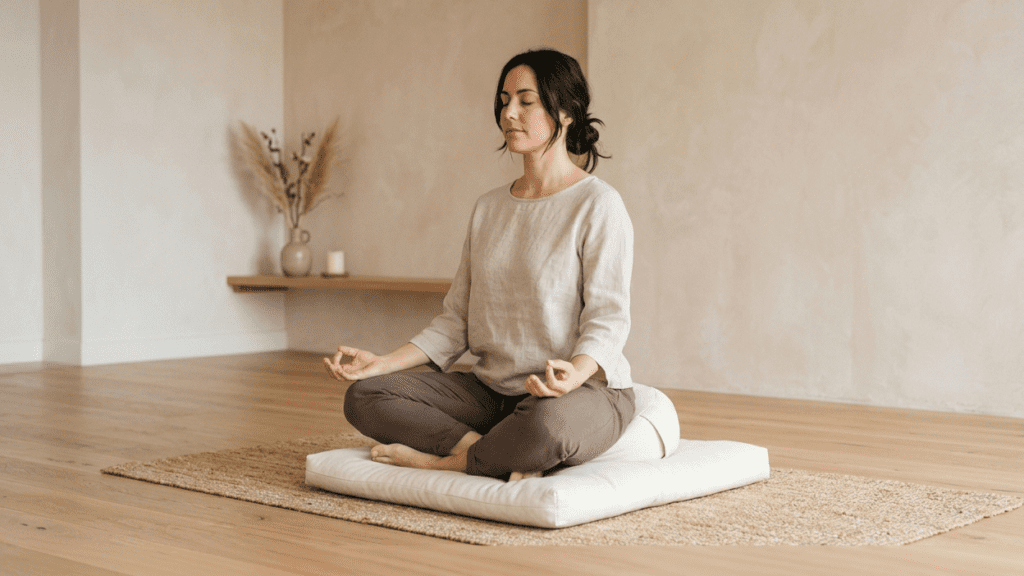
Staying focused in a world full of distractions can feel like a constant challenge. One of the simplest yet most powerful ways to improve concentration is through Breathing Exercises for Focus.
Scientific research, including studies referenced by institutions like Harvard Medical School, shows that controlled breathing can directly influence brain function. It helps regulate the nervous system, reduce stress hormones, and improve mental clarity.
The best part about Breathing Exercises for Focus is that they are quick, free, and can be done anywhere. Whether you’re working, studying, or feeling mentally overwhelmed, a few minutes of intentional breathing can reset your mind.
If you want to sharpen your concentration naturally, these techniques offer a practical and effective solution.
1. Box Breathing
Box breathing is one of the most structured Breathing Exercises for Focus and is widely used for mental clarity.
Inhale for 4 seconds, hold for 4 seconds, exhale for 4 seconds, and hold again for 4 seconds. Repeat this cycle for several minutes.
This method helps calm the nervous system and improves focus by creating a steady rhythm.
It is especially useful before important tasks like meetings or studying.
2. 4-7-8 Breathing
The 4-7-8 technique is another powerful method among Breathing Exercises for Focus.
Inhale through your nose for 4 seconds, hold your breath for 7 seconds, then exhale slowly through your mouth for 8 seconds.
This pattern promotes relaxation and reduces mental clutter.
It is particularly effective when you feel anxious or mentally overloaded.
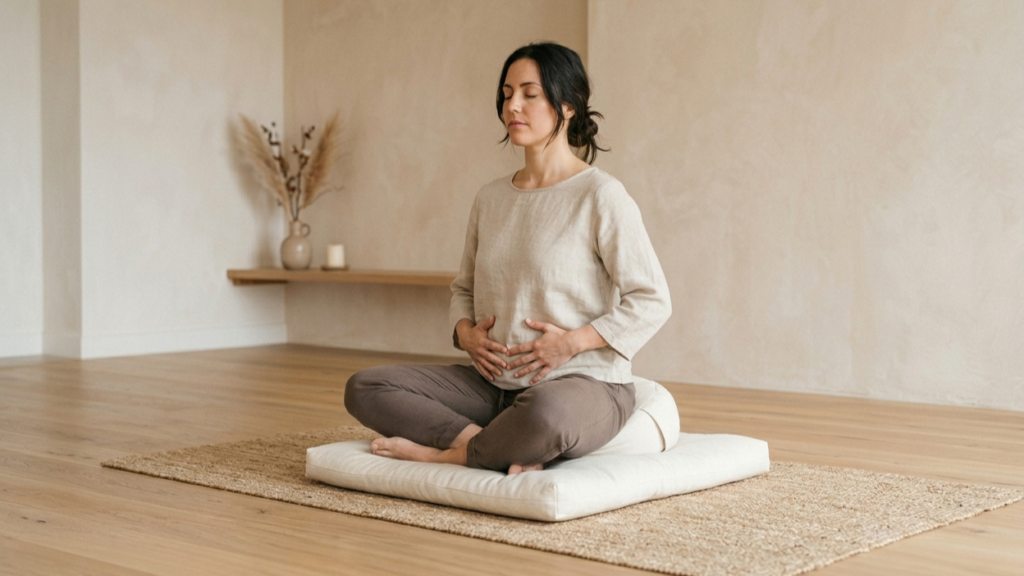
3. Diaphragmatic Breathing
Diaphragmatic breathing focuses on deep, belly-centered breathing.
Place one hand on your chest and the other on your abdomen. Breathe deeply so that your stomach rises while your chest remains relatively still.
This is one of the foundational Breathing Exercises for Focus because it increases oxygen flow to the brain.
It also helps improve overall breathing efficiency and reduces fatigue.
4. Alternate Nostril Breathing
This technique comes from traditional yoga practices and is highly effective for mental balance.
Close one nostril and inhale through the other, then switch and exhale. Continue alternating sides.
Among Breathing Exercises for Focus, this method helps balance the brain’s hemispheres.
It is ideal for improving concentration and reducing distractions.
5. Counting Breaths
Counting your breaths is a simple yet powerful way to stay present.
Inhale and count “one,” exhale and count “two,” continuing up to ten before starting over.
This technique keeps your mind engaged while calming it at the same time.
It is one of the easiest Breathing Exercises for Focus for beginners.
6. Resonance Breathing
Resonance breathing involves breathing at a steady pace of about 5–6 breaths per minute.
Inhale for 5 seconds and exhale for 5 seconds, maintaining a consistent rhythm.
This method improves heart rate variability and enhances mental clarity.
It is widely recommended among Breathing Exercises for Focus for long-term stress reduction.
7. Breath Awareness
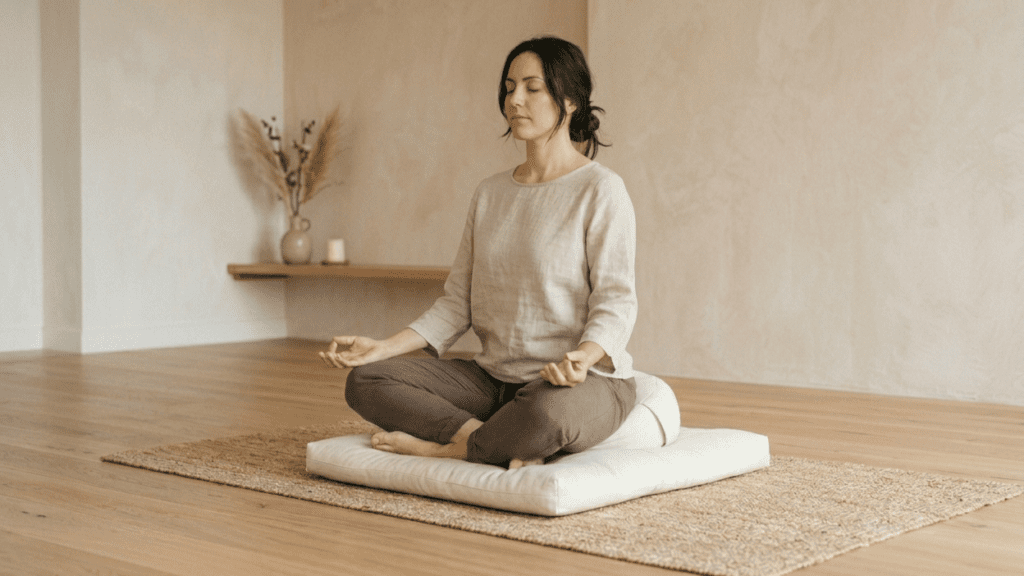
Breath awareness involves simply observing your natural breathing without trying to change it.
Focus on the sensation of air entering and leaving your body.
This mindfulness-based technique is one of the most accessible Breathing Exercises for Focus.
It helps train your brain to stay present and reduces mental distractions.
8. Energizing Breath (Bellows Breath)
This is a more active breathing technique that increases alertness.
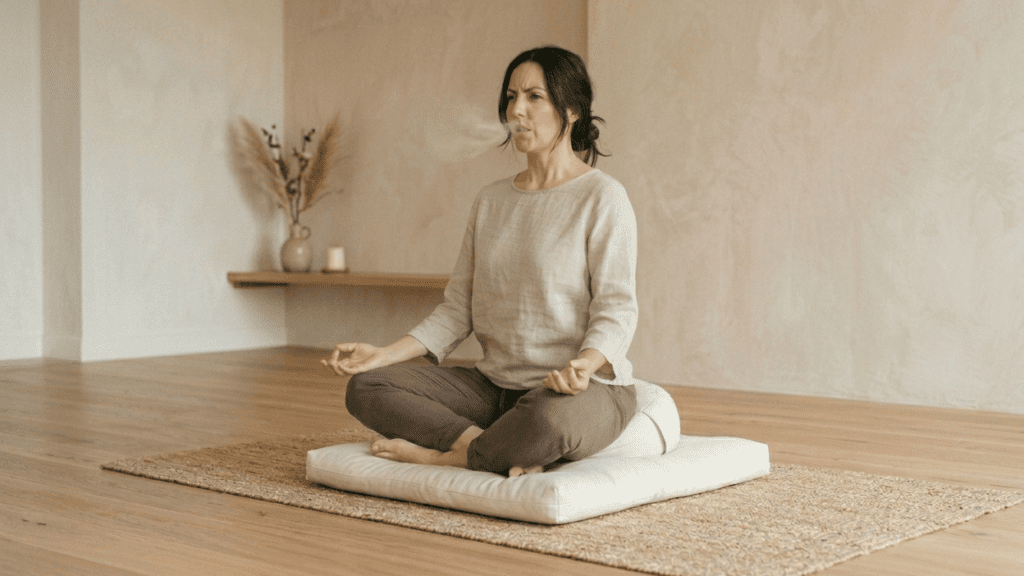
Take quick, forceful inhales and exhales through your nose in rapid succession.
Among Breathing Exercises for Focus, this one is best used when you feel sluggish or tired.
It boosts energy levels and helps sharpen your attention quickly.
9. How to Build a Daily Routine
To benefit from Breathing Exercises for Focus, consistency is essential.
Start with 5–10 minutes each morning using one or two techniques like box breathing or diaphragmatic breathing.
You can also take short breathing breaks throughout the day, especially during stressful moments.
Over time, these exercises will become a natural part of your routine and improve your focus significantly.
10. Tips for Better Results
Practice Breathing Exercises for Focus in a quiet, distraction-free environment whenever possible.
Maintain good posture to allow optimal airflow and comfort.
Combine breathing exercises with mindfulness or meditation for even better results.
Lastly, be patient. Like any skill, improving focus through breathing takes time and consistency.
Frequently Asked Questions
1. How quickly do breathing exercises improve focus?
You may feel immediate calmness, but noticeable focus improvement usually comes with consistent practice over a few weeks.
2. Can I do breathing exercises anywhere?
Yes, most techniques can be done anywhere, including at work or while commuting.
3. Are breathing exercises safe for everyone?
Generally, yes. However, people with respiratory conditions should consult a healthcare professional.
4. What is the best time to practice?
Morning and mid-day are ideal, but you can practice whenever you need a mental reset.
Conclusion
Incorporating Breathing Exercises for Focus into your daily life is a simple yet powerful way to enhance mental clarity and productivity.
These techniques require no equipment, take only a few minutes, and can be done anywhere.
With regular practice, you’ll notice improved concentration, reduced stress, and a calmer, more focused mind.
Read our article about Meditation Practices for Focus
Pingback: 9 Powerful Mental Clarity Habits for Better Focus