Mindful Breathing Exercises: 9 Techniques
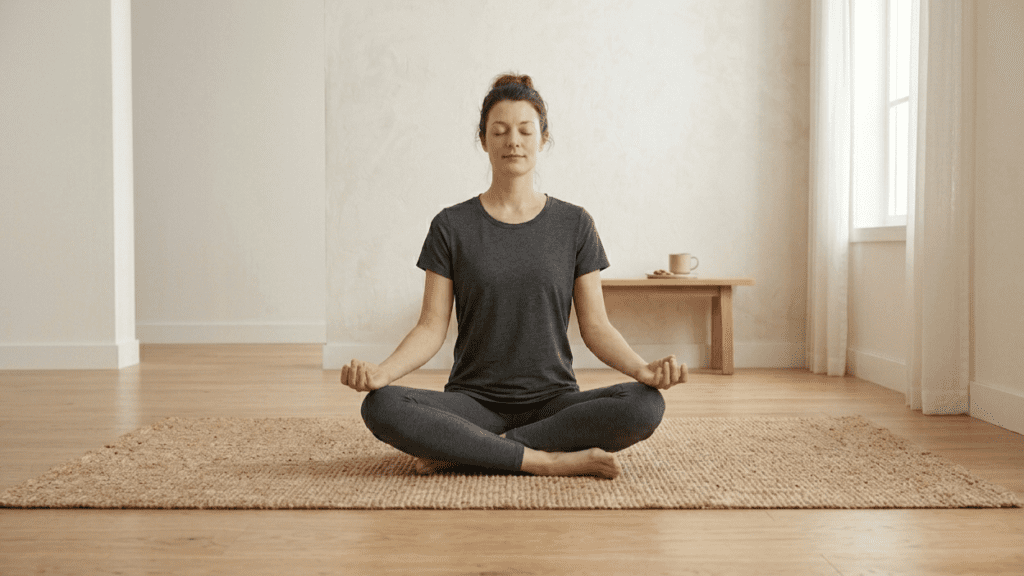
Breathing is something we do automatically, yet how we breathe can significantly impact our mental and physical well-being. Mindful Breathing Exercises are simple techniques that help you focus on your breath to reduce stress, improve concentration, and promote relaxation.
According to organizations like the American Psychological Association (APA), mindful breathing can activate the body’s relaxation response, lowering stress hormones and improving emotional balance. This makes it a powerful tool for managing daily stress.
These exercises are easy to practice anywhere and require no equipment. Whether you’re at home, at work, or on the go, mindful breathing can help you reset and regain focus.
Below are 9 effective Mindful Breathing Exercises that can help you feel calmer, more focused, and more in control.
1. Deep Belly Breathing
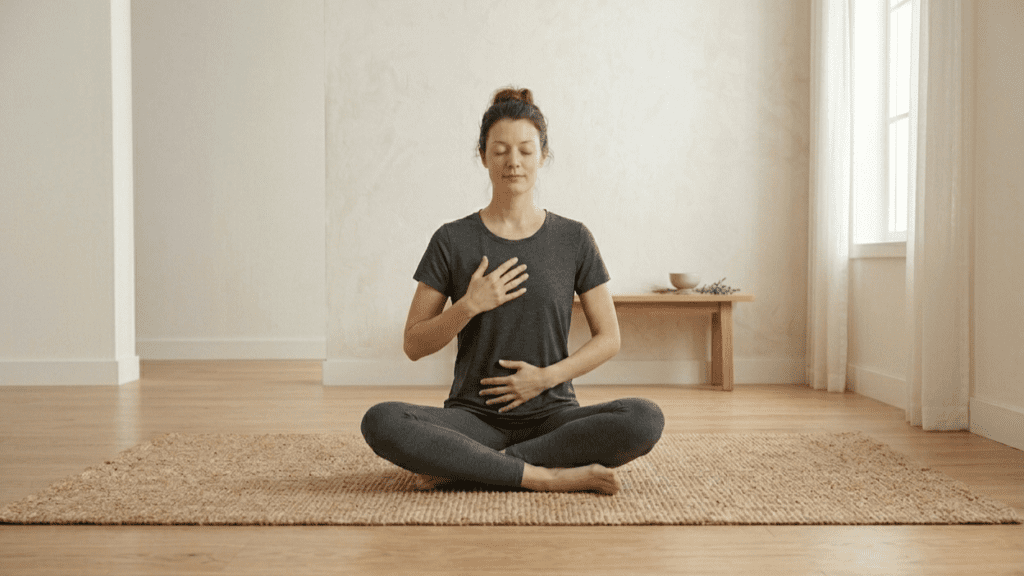
Deep belly breathing, also known as diaphragmatic breathing, focuses on engaging the diaphragm rather than shallow chest breathing.
To practice, place one hand on your chest and the other on your abdomen. Inhale deeply through your nose so your abdomen rises while your chest remains still.
This technique allows more oxygen to enter the lungs, improving overall breathing efficiency.
Regular practice can reduce stress and promote relaxation, making it one of the most effective mindful breathing exercises.
2. Box Breathing Technique
Box breathing is a structured breathing method often used by athletes and professionals to improve focus.
It involves inhaling for four seconds, holding the breath for four seconds, exhaling for four seconds, and holding again for four seconds.
This rhythmic pattern helps regulate breathing and calm the nervous system.
Box breathing is particularly useful during stressful situations when you need to regain control quickly.
3. 4-7-8 Breathing Method
The 4-7-8 technique is designed to promote relaxation and improve sleep quality.
Inhale quietly through your nose for four seconds, hold your breath for seven seconds, and exhale slowly for eight seconds.
This method helps slow the heart rate and calm the mind.
Practicing this technique regularly can make it easier to fall asleep and reduce anxiety.
4. Alternate Nostril Breathing
This traditional breathing technique comes from yoga practices and focuses on balancing the body and mind.
To perform it, close one nostril and inhale through the other, then switch nostrils for the exhale.
This alternating pattern helps improve airflow and balance energy levels.
It is one of the most effective mindful breathing exercises for enhancing focus and mental clarity.
5. Resonance Breathing
Resonance breathing involves breathing at a steady, slow pace to optimize heart rate variability.
Typically, this means inhaling and exhaling for about five seconds each.
This rhythm helps synchronize the heart, lungs, and brain for optimal function.
Regular practice can reduce stress and improve emotional regulation.
6. Breath Counting Technique
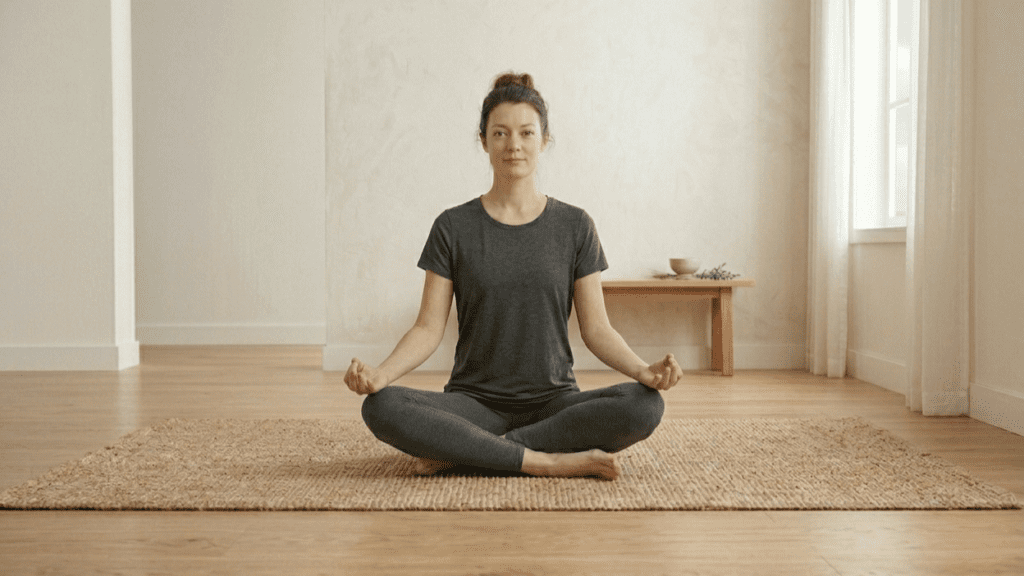
Breath counting is a simple yet powerful way to develop mindfulness and focus.
Count each inhale and exhale cycle up to ten, then start again from one.
If your mind wanders, gently bring your attention back to the count.
This technique helps improve concentration and reduce mental distractions.
7. Equal Breathing (Sama Vritti)
Equal breathing involves making your inhale and exhale durations the same.
For example, inhale for four seconds and exhale for four seconds.
This balanced approach helps regulate breathing and calm the nervous system.
It is a great technique for beginners looking to practice mindful breathing exercises.
8. Guided Visualization Breathing
This technique combines breathing with mental imagery to enhance relaxation.
As you breathe in, imagine calm and positive energy entering your body.
As you exhale, visualize stress and tension leaving your body.
This method can deepen relaxation and improve emotional well-being.
9. Progressive Relaxation Breathing
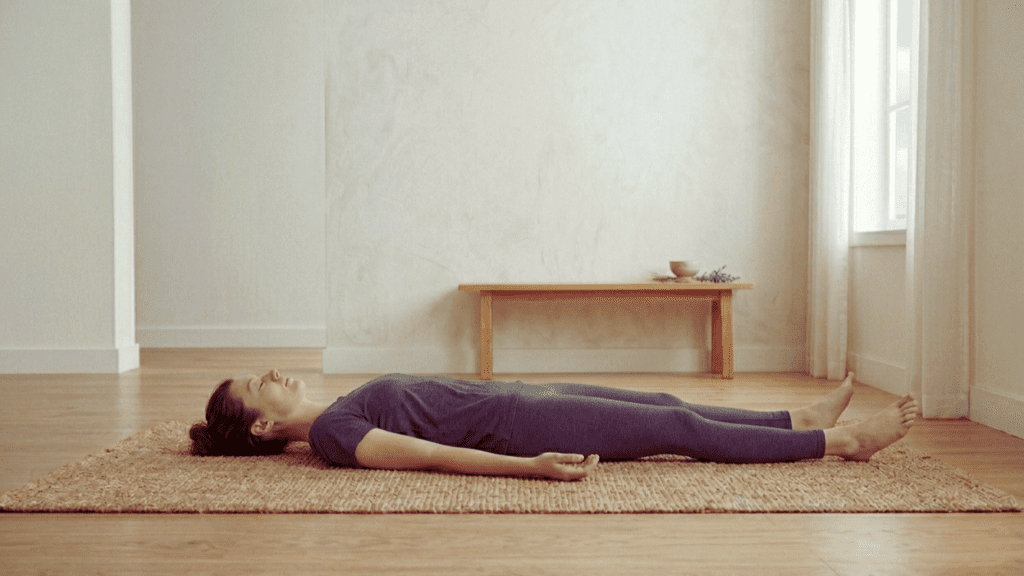
Progressive relaxation breathing involves combining breathing with muscle relaxation.
As you inhale, focus on a specific muscle group. As you exhale, consciously relax it.
Move through different parts of the body, releasing tension step by step.
This technique is particularly effective for reducing physical stress and improving sleep.
Frequently Asked Questions
How often should I practice mindful breathing?
You can practice mindful breathing exercises daily. Even 5–10 minutes can provide noticeable benefits.
Can breathing exercises reduce anxiety?
Yes. Many studies show that controlled breathing can lower stress and reduce anxiety symptoms.
Are these exercises suitable for beginners?
Absolutely. Most mindful breathing exercises are simple and easy to learn.
When is the best time to practice?
You can practice anytime, but morning and evening sessions are especially effective.
Conclusion
Incorporating Mindful Breathing Exercises into your daily routine is a simple yet powerful way to improve your mental and physical health. These techniques help reduce stress, enhance focus, and promote overall well-being.
The key is consistency. Practicing even a few minutes each day can lead to long-term benefits and a calmer, more balanced life.
Start with one or two techniques and gradually explore others to find what works best for you.
Read our article about Mindfulness Techniques for Stress Relief