Foods That Reduce Inflammation: 10 Powerful Choices
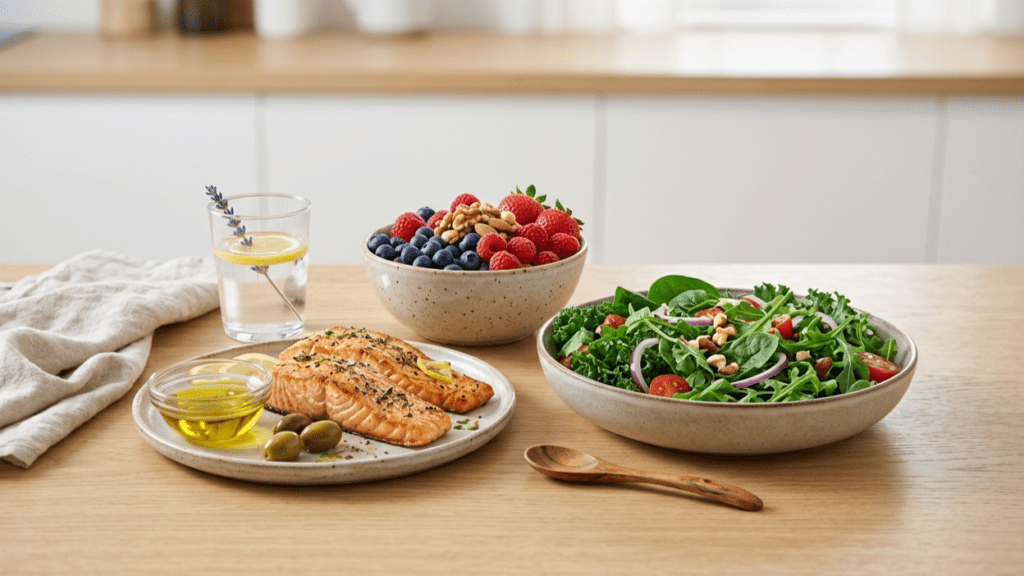
Inflammation is a natural response of the body’s immune system, helping to fight infections and heal injuries. However, when inflammation becomes chronic, it can contribute to various health conditions such as heart disease, diabetes, and joint problems. Incorporating Foods That Reduce Inflammation into your diet is one of the most effective natural ways to support long-term health.
Chronic inflammation is often influenced by lifestyle factors, including diet, stress, and physical activity. According to the World Health Organization (WHO) and other health institutions, a balanced diet rich in whole foods can help reduce inflammation and support overall well-being.
Certain foods contain antioxidants, healthy fats, vitamins, and minerals that help combat inflammation at the cellular level. These nutrients neutralize harmful free radicals and support the body’s natural defense systems.
Below are 10 powerful foods that reduce inflammation, helping you build a healthier diet and support your body naturally.
1. Berries Rich in Antioxidants
Berries such as blueberries, strawberries, and raspberries are among the best foods that reduce inflammation due to their high antioxidant content.
These fruits contain compounds called anthocyanins, which help protect cells from oxidative stress. Reducing oxidative stress is essential for lowering inflammation in the body.
Berries are also rich in fiber, which supports gut health. A healthy digestive system plays an important role in regulating inflammation.
Adding berries to your daily meals, such as breakfast or snacks, is a simple way to boost your intake of anti-inflammatory nutrients.
2. Fatty Fish for Omega-3 Fatty Acids
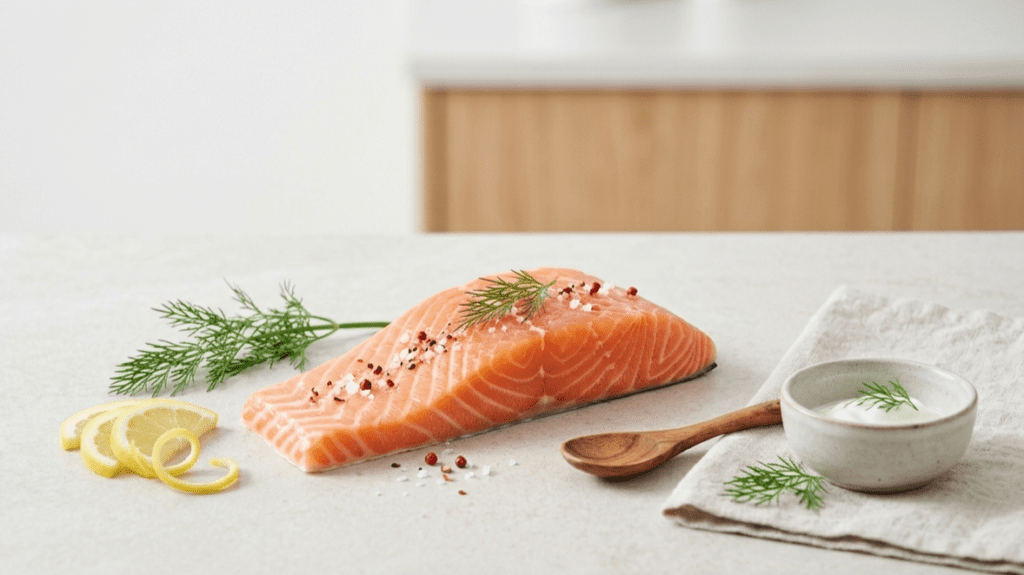
Fatty fish like salmon, mackerel, and sardines are excellent sources of omega-3 fatty acids. These healthy fats are well-known for their anti-inflammatory properties.
Omega-3s help reduce the production of inflammatory molecules in the body. This can support heart health and reduce the risk of chronic diseases.
Research from the American Heart Association (AHA) suggests that consuming fatty fish regularly can improve cardiovascular health.
Including fatty fish in your diet a few times per week can provide long-term anti-inflammatory benefits.
3. Leafy Greens for Nutrient Density
Leafy green vegetables such as spinach, kale, and Swiss chard are packed with vitamins, minerals, and antioxidants.
These vegetables contain compounds like vitamin C and beta-carotene, which help reduce inflammation and support immune function.
Leafy greens are also low in calories and high in fiber, making them a valuable addition to a balanced diet.
Regular consumption of leafy greens can contribute to reduced inflammation and improved overall health.
4. Nuts for Healthy Fats and Fiber
Nuts such as almonds and walnuts provide healthy fats, protein, and fiber that support anti-inflammatory processes.
Walnuts, in particular, are rich in omega-3 fatty acids, which help reduce inflammation in the body.
Nuts also contain antioxidants that protect cells from damage caused by free radicals.
A small handful of nuts daily can be an easy and effective way to include anti-inflammatory nutrients in your diet.
5. Olive Oil for Heart Health
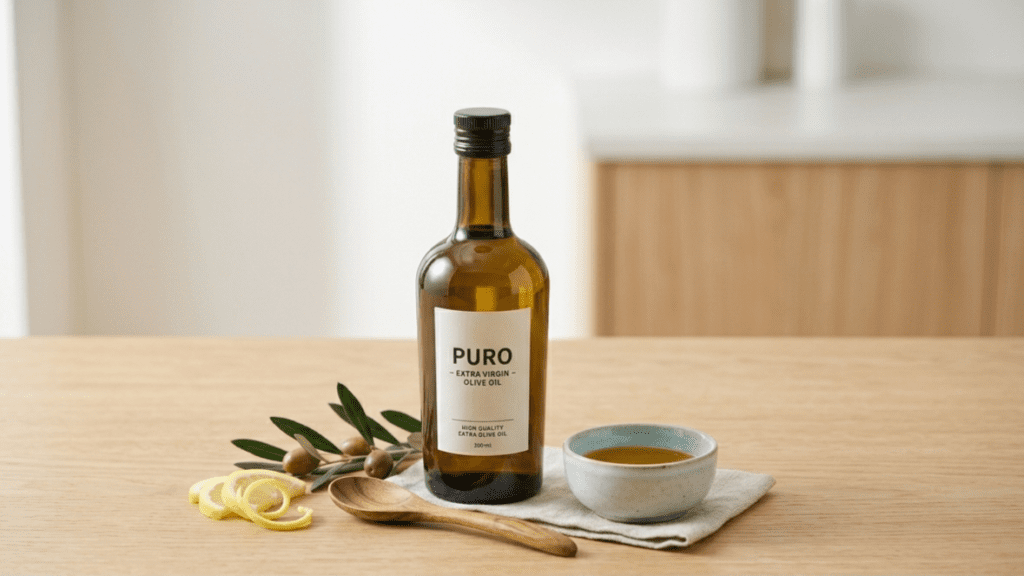
Extra virgin olive oil is a key component of the Mediterranean diet, which is associated with reduced inflammation and improved health.
Olive oil contains oleocanthal, a compound that has effects similar to anti-inflammatory medications.
It is also rich in monounsaturated fats, which support heart health and reduce inflammation.
Using olive oil as a primary cooking oil or salad dressing is a simple way to improve your diet.
6. Turmeric for Natural Anti-Inflammatory Power
Turmeric is a spice widely known for its powerful anti-inflammatory properties. Its active compound, curcumin, plays a key role in reducing inflammation.
Curcumin works by blocking inflammatory pathways in the body, helping to reduce chronic inflammation.
Turmeric is often used in cooking or added to beverages such as golden milk.
Combining turmeric with black pepper can enhance the absorption of curcumin, making it more effective.
7. Ginger for Soothing Effects
Ginger has been used for centuries as a natural remedy for inflammation and digestive issues.
It contains bioactive compounds that help reduce inflammation and support overall health.
Ginger can be consumed fresh, in teas, or as a spice in meals.
Regular consumption of ginger may help reduce muscle pain and improve digestive comfort.
8. Tomatoes for Lycopene Benefits
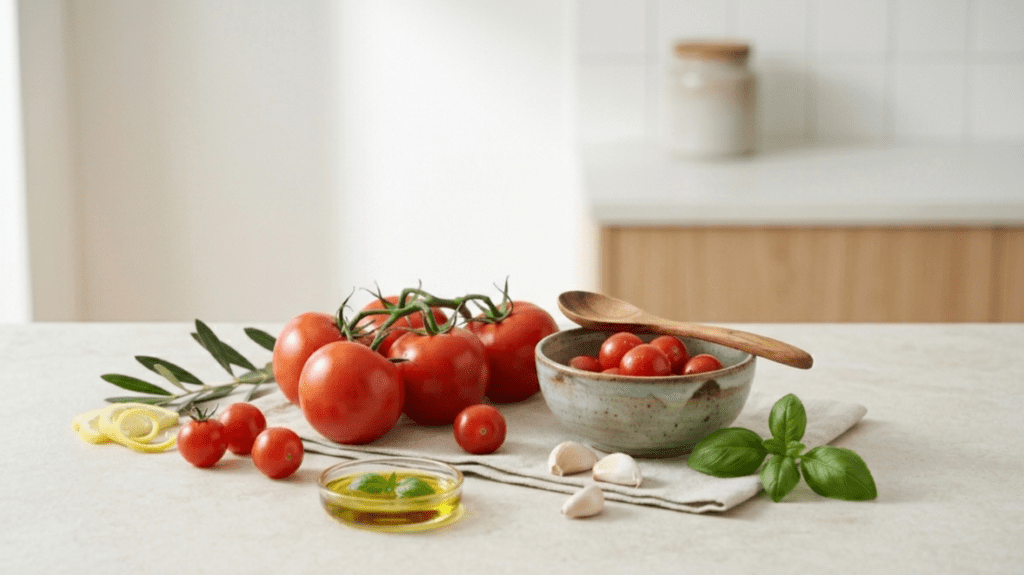
Tomatoes are rich in lycopene, an antioxidant known for its anti-inflammatory effects.
Lycopene helps protect cells from damage and may reduce the risk of chronic diseases.
Cooking tomatoes can increase the availability of lycopene, making it easier for the body to absorb.
Including tomatoes in your diet can contribute to reduced inflammation and improved health.
9. Green Tea for Antioxidant Support
Green tea is rich in antioxidants called catechins, which help reduce inflammation and protect cells.
These compounds support metabolic health and may reduce the risk of chronic diseases.
Green tea also contains a small amount of caffeine, providing a mild energy boost.
Drinking green tea regularly can support overall health and contribute to anti-inflammatory benefits.
10. Whole Grains for Sustained Health
Whole grains such as oats, brown rice, and quinoa provide fiber and essential nutrients.
Fiber supports gut health, which plays a crucial role in regulating inflammation.
Unlike refined grains, whole grains help maintain stable blood sugar levels.
Including whole grains in your diet can support long-term health and reduce inflammation.
Frequently Asked Questions
What causes chronic inflammation?
Chronic inflammation can be caused by poor diet, lack of exercise, stress, smoking, and certain medical conditions.
How quickly can diet reduce inflammation?
Dietary changes may start showing effects within a few weeks, but long-term consistency is key for lasting results.
Are anti-inflammatory foods enough to improve health?
While diet plays a major role, combining healthy eating with exercise and stress management provides the best results.
Can sugar increase inflammation?
Yes. High sugar intake is associated with increased inflammation and should be limited.
Conclusion
Including Foods That Reduce Inflammation in your daily diet is a powerful step toward improving overall health. Nutrient-rich foods such as berries, fatty fish, leafy greens, and olive oil provide essential compounds that help combat inflammation naturally.
By focusing on whole, unprocessed foods and maintaining a balanced diet, you can support your body’s natural defense systems and reduce the risk of chronic diseases.
Consistency is key. Making these foods a regular part of your meals can lead to long-term health benefits and improved well-being.
Read our article about Superfoods for Energy and Digestion