Great Herbal Remedies for Digestion: 8 Daily Options

Digestive discomfort is a common issue that affects millions of people worldwide. Bloating, indigestion, gas, and stomach cramps can occur due to poor diet, stress, food intolerances, or irregular eating habits. Many people look for gentle solutions that support digestion naturally without relying solely on medications.
This is where herbal remedies for digestion can be helpful. Certain herbs contain compounds that soothe the digestive tract, stimulate digestive enzymes, and reduce inflammation in the stomach and intestines.
Traditional herbal medicine systems, including Ayurveda and Traditional Chinese Medicine, have used digestive herbs for centuries. Modern research from organizations such as the National Center for Complementary and Integrative Health (NCCIH) also suggests that several herbs may support digestive health.
In this guide, we explore some of the most effective herbal remedies for digestion that can be used daily to promote gut comfort and improve overall digestive function.
1. Ginger for Digestive Stimulation

Ginger is one of the most widely recognized herbal remedies for digestion due to its ability to stimulate digestive enzymes and promote stomach emptying. The active compounds gingerols and shogaols help relax the digestive tract muscles.
Many people use ginger to relieve nausea, indigestion, and stomach discomfort. Studies published in gastrointestinal research journals suggest ginger may help accelerate gastric emptying, which reduces bloating and fullness.
Ginger can also stimulate bile production, which helps the body break down fats more efficiently. This makes it particularly helpful after heavy or fatty meals.
Drinking ginger tea or adding fresh ginger to meals daily can provide gentle digestive support without significant side effects.
2. Peppermint for Bloating Relief
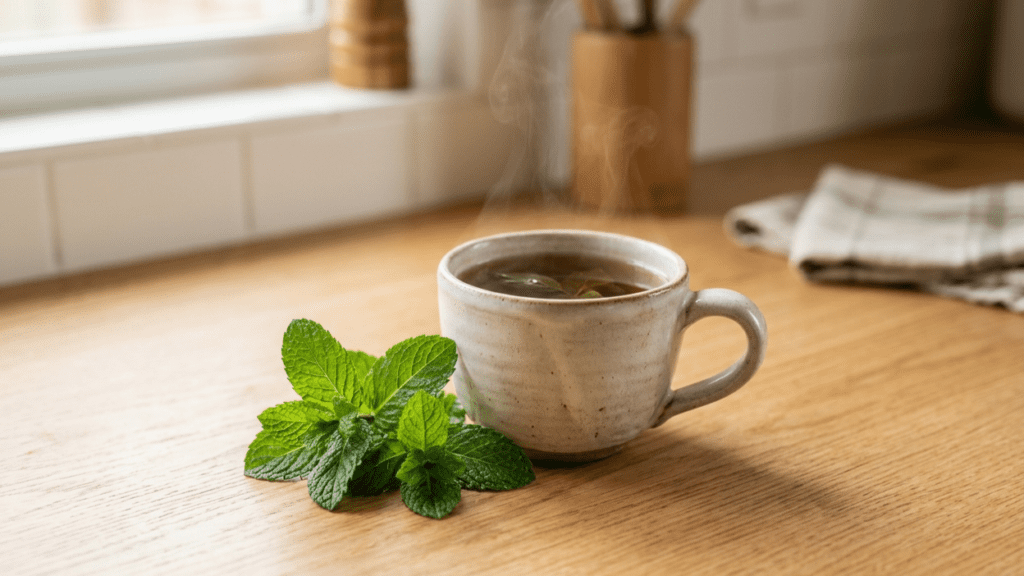
Peppermint is another popular choice among herbal remedies for digestion. The menthol in peppermint helps relax the smooth muscles of the digestive tract, which may reduce spasms and cramping.
This relaxing effect makes peppermint particularly helpful for people experiencing bloating or symptoms of irritable bowel syndrome (IBS). Research published in gastroenterology studies shows peppermint oil capsules may improve IBS symptoms.
Peppermint tea is a simple and widely used method for digestive relief. Drinking it after meals can help reduce gas buildup and abdominal discomfort.
Regular use of peppermint in tea or food may promote smoother digestion and reduce digestive tension.
3. Chamomile for Soothing the Digestive System
Chamomile is well known for its calming properties, but it is also one of the effective herbal remedies for digestion. The herb contains anti-inflammatory compounds that help soothe the stomach lining.
Chamomile may help relieve indigestion, stomach cramps, and mild gastrointestinal inflammation. It is often used to calm the digestive system after overeating or stressful situations.
The herb also supports relaxation, which can indirectly improve digestion. Stress is a major factor that disrupts digestive processes and contributes to bloating and stomach discomfort.
Drinking chamomile tea in the evening or after meals may promote both digestive comfort and better relaxation.
4. Fennel Seeds for Gas and Bloating
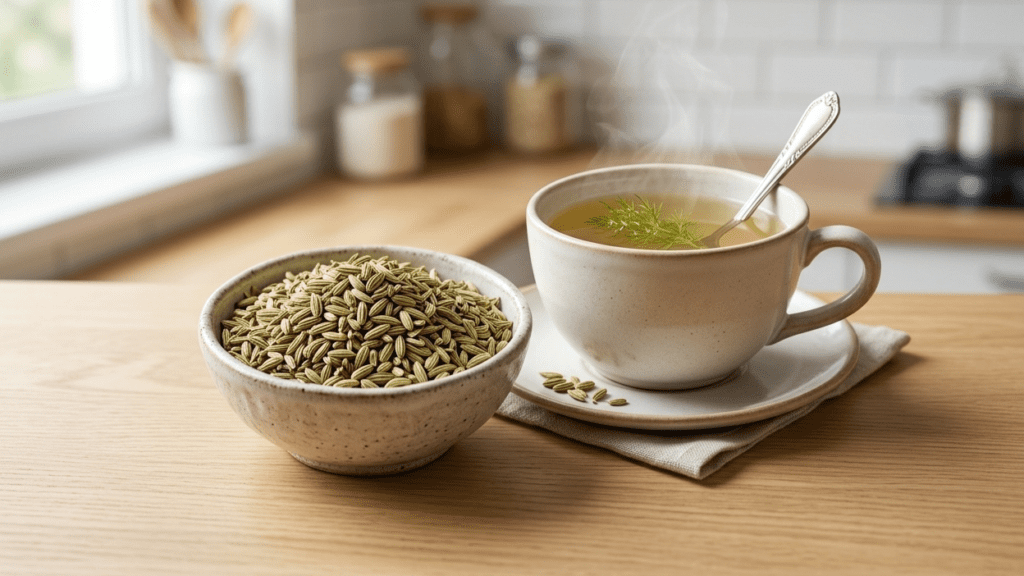
Fennel seeds have long been used as herbal remedies for digestion, especially for relieving gas and bloating. The seeds contain essential oils that relax digestive muscles.
In many cultures, fennel seeds are chewed after meals to support digestion. This traditional practice helps stimulate digestive enzymes and reduce gas formation.
Fennel may also help relieve mild stomach cramps and support intestinal movement. This helps food move through the digestive tract more efficiently.
Adding fennel seeds to tea or chewing a small amount after meals may provide noticeable digestive comfort.
5. Dandelion Root for Digestive Support
Dandelion root is often considered a digestive tonic among herbal remedies for digestion. It stimulates bile production in the liver, which helps break down fats during digestion.
Bile plays a crucial role in nutrient absorption and fat metabolism. Increasing bile flow can improve digestive efficiency and reduce discomfort after meals.
Dandelion root may also support liver health, which is closely linked to digestive function. A healthy liver helps the body process nutrients and detoxify waste.
Dandelion root tea is commonly used before meals to stimulate digestion naturally.
6. Licorice Root for Stomach Protection
Licorice root has been used for centuries as one of the protective herbal remedies for digestion. It contains compounds that help soothe the stomach lining.
Deglycyrrhizinated licorice (DGL) is commonly recommended for people experiencing acid reflux or stomach irritation. It may help protect the stomach from excessive acid.
Licorice also supports mucus production in the digestive tract, which helps shield the stomach lining from irritation.
Consuming licorice root tea or DGL supplements may help improve digestive comfort when used in moderation.
7. Turmeric for Digestive Inflammation
Turmeric contains curcumin, a compound with strong anti-inflammatory properties. These effects make turmeric valuable among herbal remedies for digestion.
Digestive inflammation can contribute to bloating, stomach pain, and gut irritation. Curcumin helps reduce inflammatory responses in the digestive tract.
Turmeric may also support bile production, improving fat digestion and nutrient absorption.
Adding turmeric to meals or drinking turmeric tea may support long-term digestive health.
8. Artichoke Leaf for Digestive Function
Artichoke leaf extract is widely studied among herbal remedies for digestion. It helps stimulate bile flow and supports liver function.
Improved bile production can enhance fat digestion and reduce symptoms of indigestion or bloating.
Some clinical studies suggest artichoke extract may improve symptoms of functional dyspepsia, a condition involving chronic indigestion.
Using artichoke leaf supplements or teas may support digestive efficiency when incorporated into a balanced diet.
FAQ
What are the most effective herbal remedies for digestion?
Ginger, peppermint, fennel seeds, chamomile, and turmeric are among the most commonly recommended herbs for digestive comfort.
Are herbal remedies for digestion safe for daily use?
Many digestive herbs are safe in moderate amounts. However, individuals with medical conditions should consult a healthcare professional before long-term use.
How quickly do digestive herbs work?
Some herbs, such as peppermint and ginger, may provide relief within minutes, while others support digestion gradually over time.
Can herbal remedies replace medical treatment?
Herbal approaches may support digestive health but should not replace medical treatment for serious gastrointestinal conditions.
Conclusion
Digestive health plays a major role in overall well-being. When the digestive system functions efficiently, the body can absorb nutrients properly and maintain energy levels.
Many people find that herbal remedies for digestion offer gentle and natural support for common digestive issues such as bloating, indigestion, and stomach discomfort.
Incorporating herbs like ginger, peppermint, chamomile, and turmeric into daily routines may help maintain digestive balance and improve gut comfort over time.
When combined with a balanced diet and healthy lifestyle habits, these natural remedies can contribute to long-term digestive wellness.
Read our article about Foods to Improve Digestion