Powerful Foods for Heart Health: 10 Best Choices to Support a Strong Heart
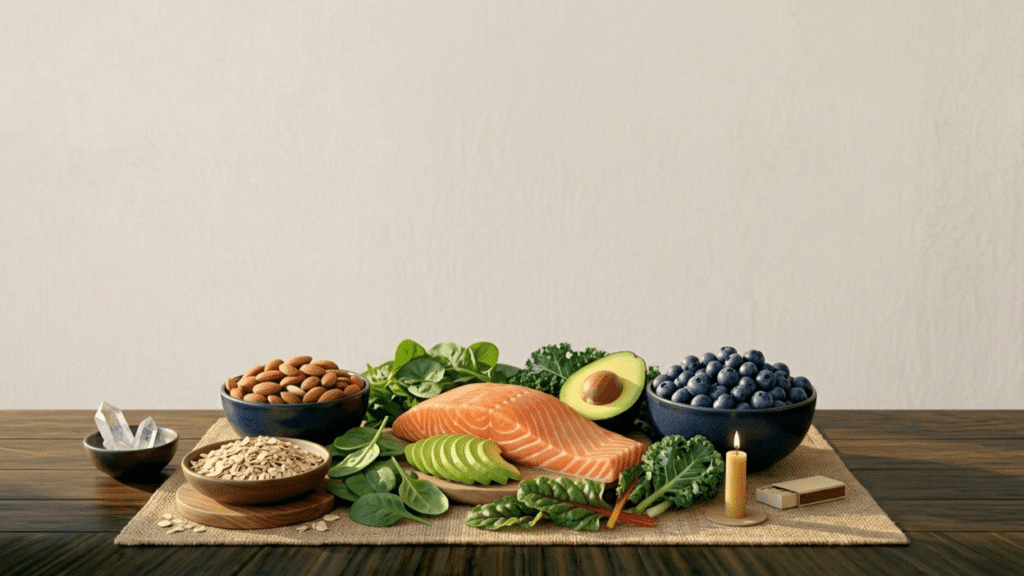
Heart health is essential for overall well-being, yet cardiovascular disease remains one of the leading causes of death worldwide. Diet plays a major role in maintaining healthy blood vessels, controlling cholesterol levels, and supporting proper heart function. For this reason, many nutrition experts recommend focusing on foods for heart health as a key part of a balanced lifestyle.
Certain foods contain nutrients that help reduce inflammation, improve cholesterol balance, and support healthy blood pressure levels. These nutrients include fiber, omega-3 fatty acids, antioxidants, and plant-based compounds that protect the cardiovascular system.
Organizations such as the American Heart Association and the World Health Organization emphasize that a diet rich in whole foods, fruits, vegetables, and healthy fats can significantly reduce the risk of heart disease.
Below are ten powerful foods that can support long-term cardiovascular health when included regularly in a balanced diet.
1. Fatty Fish Rich in Omega-3 Fatty Acids
Fatty fish are among the most recommended foods for heart health because they contain omega-3 fatty acids that support cardiovascular function.
Fish such as Salmon, mackerel, and sardines provide EPA and DHA, two omega-3 fats known to reduce inflammation and support healthy blood vessels.
Omega-3 fatty acids may help lower triglyceride levels and improve cholesterol balance. These effects can contribute to reduced risk of cardiovascular disease.
Many nutrition experts recommend consuming fatty fish at least two times per week to maintain optimal heart health.
2. Oats for Cholesterol Control
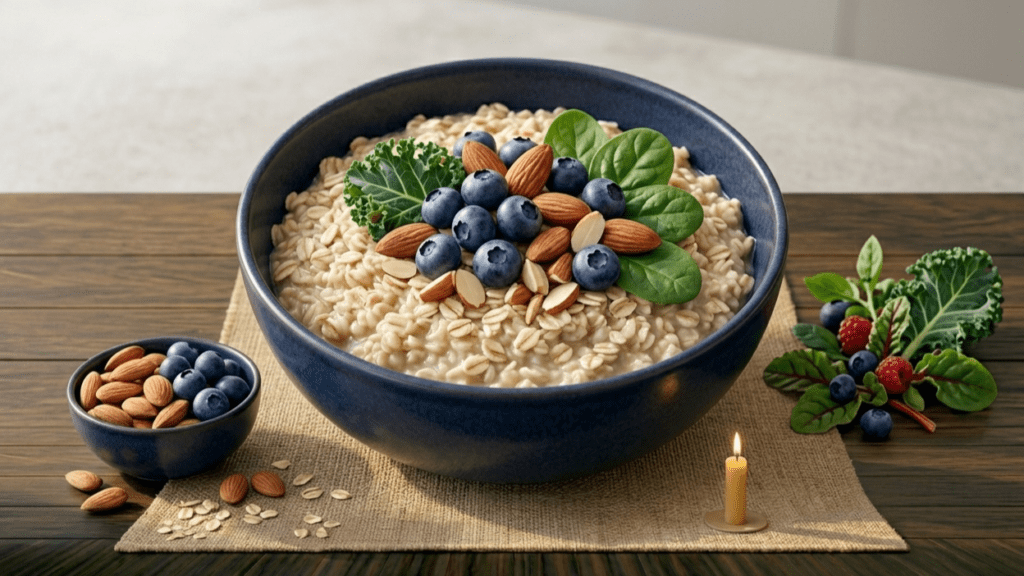
Oats are widely recognized for their ability to support healthy cholesterol levels.
They contain soluble fiber known as beta-glucan, which helps reduce low-density lipoprotein (LDL) cholesterol.
Lower LDL cholesterol levels are associated with a reduced risk of plaque buildup in the arteries.
Including oatmeal or oat-based foods in daily meals can provide a heart-friendly source of fiber and sustained energy.
3. Avocados for Healthy Fats
Avocado is rich in monounsaturated fats that support healthy cholesterol balance.
These healthy fats may help lower harmful LDL cholesterol while maintaining beneficial HDL cholesterol levels.
Avocados also contain potassium, a mineral that supports healthy blood pressure regulation.
Adding avocado to salads, sandwiches, or smoothies is a simple way to increase intake of heart-supporting nutrients.
4. Berries for Antioxidant Protection
Berries are packed with antioxidants that help protect blood vessels from oxidative stress.
Fruits such as Blueberry and strawberries contain compounds called anthocyanins that contribute to heart health.
These antioxidants may help improve blood vessel function and reduce inflammation in the cardiovascular system.
Regular consumption of berries has been associated with a lower risk of heart disease in several nutrition studies.
5. Nuts for Healthy Cholesterol Levels
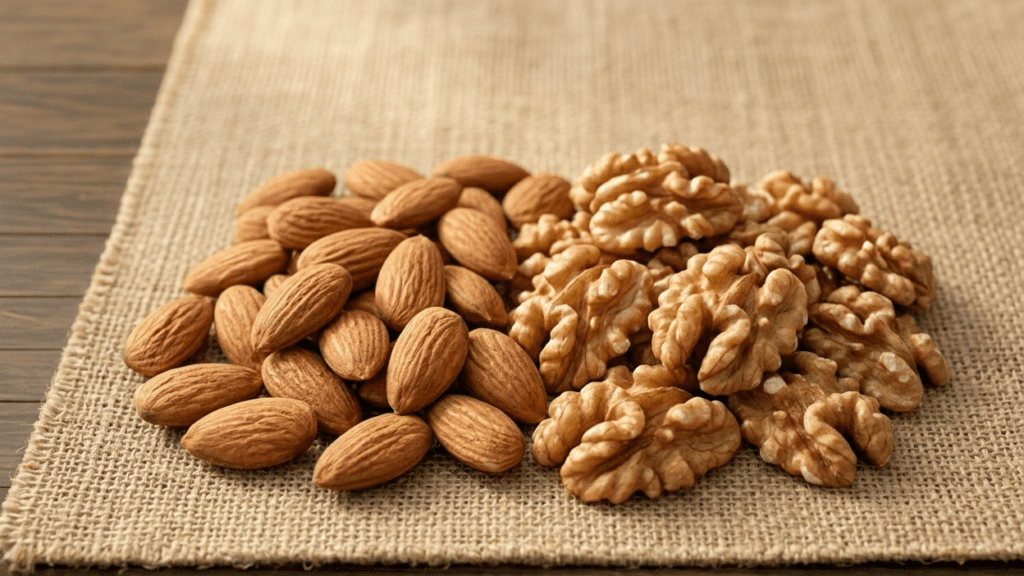
Nuts are nutrient-dense foods that provide healthy fats, fiber, and plant-based protein.
Options such as Almond and Walnut are particularly beneficial for heart health.
Walnuts contain plant-based omega-3 fatty acids that may help reduce inflammation.
Moderate consumption of nuts has been associated with improved cholesterol levels and reduced cardiovascular risk.
6. Leafy Green Vegetables
Leafy greens are rich in vitamins, minerals, and antioxidants that support heart health.
Vegetables such as Spinach and kale provide nutrients including vitamin K, folate, and potassium.
These nutrients help regulate blood pressure and support healthy blood vessel function.
Including leafy greens regularly in meals contributes to a nutrient-rich diet that supports cardiovascular wellness.
7. Olive Oil for Heart-Friendly Cooking

Olive oil is a central component of the Mediterranean diet, which is known for its cardiovascular benefits.
Extra virgin olive oil contains monounsaturated fats and powerful antioxidants.
These compounds may help reduce inflammation and support healthy cholesterol levels.
Replacing saturated fats with olive oil in cooking can contribute to better heart health over time.
8. Beans and Legumes for Fiber
Beans and legumes provide plant-based protein and high levels of dietary fiber.
Foods such as Lentil and chickpeas help reduce cholesterol absorption in the digestive system.
High fiber intake supports improved cholesterol balance and healthy digestion.
Including legumes in meals several times per week can significantly contribute to cardiovascular health.
9. Dark Chocolate with Cocoa
Dark chocolate with high cocoa content contains flavonoids that may support heart health.
These compounds help improve blood vessel function and promote healthy circulation.
Moderate consumption of dark chocolate with at least seventy percent cocoa may provide antioxidant benefits.
However, it should be consumed in small portions due to its calorie content.
10. Green Tea for Cardiovascular Support

Green tea contains polyphenols and antioxidants that support cardiovascular health.
These compounds may help reduce inflammation and support healthy blood vessel function.
Some research suggests that regular green tea consumption may contribute to lower cholesterol levels.
Drinking green tea as part of a balanced diet may help support long-term heart health.
Frequently Asked Questions (FAQ)
What are the best foods for heart health?
Some of the most beneficial foods for heart health include fatty fish, oats, avocados, berries, nuts, leafy greens, olive oil, beans, dark chocolate, and green tea.
How can diet improve heart health?
A heart-friendly diet helps regulate cholesterol levels, reduce inflammation, and support healthy blood pressure.
How often should heart healthy foods be eaten?
Nutrition experts recommend including heart healthy foods daily as part of a balanced diet rich in whole foods.
Can heart disease be prevented through diet?
While diet alone cannot guarantee prevention, healthy eating patterns significantly reduce the risk of cardiovascular disease.
Conclusion
Maintaining cardiovascular health requires consistent lifestyle habits that support the body’s vital systems. Nutrition is one of the most powerful factors influencing heart health.
By incorporating nutrient-rich foods for heart health such as fatty fish, berries, nuts, and leafy greens, individuals can support healthy cholesterol levels and blood pressure.
Combined with regular exercise, adequate sleep, and stress management, a heart-friendly diet plays a major role in promoting long-term wellness and reducing cardiovascular risk.
Read our article about Vitamins for Immune Support