Powerful Mindfulness Techniques for Stress Relief: 9 Simple Steps That Calm the Mind
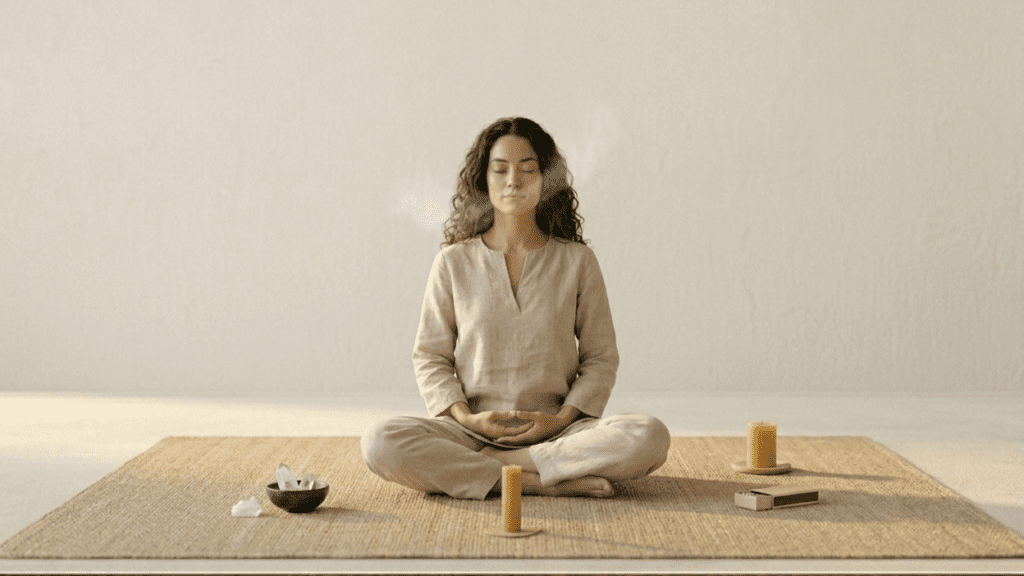
Stress has become a common part of modern life, affecting mental health, sleep quality, and overall well-being. Work pressure, digital distractions, and daily responsibilities often make it difficult to maintain emotional balance. Fortunately, mindfulness techniques for stress relief provide practical methods to calm the mind and improve mental clarity.
Mindfulness focuses on paying attention to the present moment without judgment. This approach allows individuals to observe thoughts and emotions calmly rather than reacting automatically to stress. Research from the American Psychological Association and the Harvard Medical School suggests that mindfulness practices can reduce stress, improve emotional regulation, and support overall mental health.
The following nine mindfulness strategies are simple steps that can be practiced daily to help manage stress and restore mental balance.
1. Deep Breathing Awareness
Deep breathing is one of the most effective mindfulness techniques for stress relief because it directly influences the nervous system.
Slow, controlled breathing helps activate the parasympathetic nervous system, which signals the body to relax. This physiological response reduces heart rate and promotes a sense of calm.
To practice mindful breathing, sit comfortably and focus attention on the sensation of breathing. Notice how the chest and abdomen expand during inhalation and gently relax during exhalation.
Practicing deep breathing for just a few minutes each day can help reduce anxiety levels and improve emotional stability.
2. Body Scan Relaxation
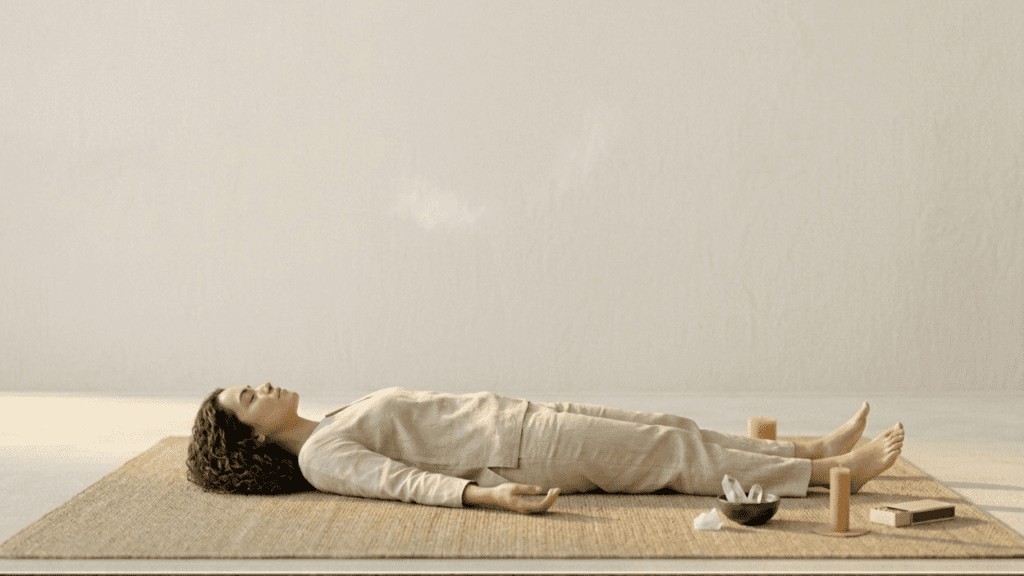
Body scan meditation encourages awareness of physical sensations throughout the body. This technique helps release muscle tension often caused by stress.
During a body scan, attention is gradually directed from the head down to the feet. Each area of the body is observed carefully without judgment.
As attention moves through the body, individuals often notice areas of tightness and consciously relax them.
Regular body scan practice promotes both physical relaxation and improved emotional awareness.
3. Mindful Observation
Mindful observation involves focusing attention on a single object or element in the environment.
This object could be a plant, a candle flame, or any simple item. The goal is to observe the details of the object with full attention.
Noticing colors, textures, shapes, and small details helps bring the mind into the present moment.
By directing attention outward, this technique helps interrupt repetitive stress-related thinking patterns.
4. Mindful Walking
Walking meditation combines gentle movement with present-moment awareness. Instead of walking automatically, each step is performed slowly and intentionally.
Attention is directed toward the sensation of the feet touching the ground and the rhythm of movement.
Mindful walking can be practiced indoors or outdoors and does not require a special environment.
This practice encourages awareness of the body and surroundings while promoting relaxation.
5. Gratitude Reflection
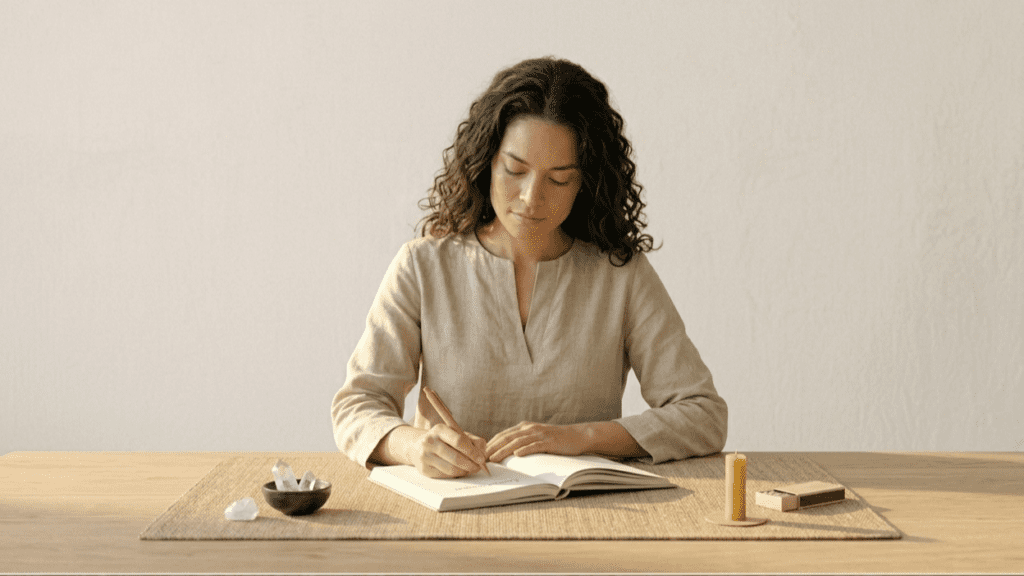
Gratitude reflection is a mindfulness technique that shifts attention toward positive experiences.
Taking a few moments each day to reflect on things that bring appreciation can improve emotional well-being.
Writing down three positive moments or things to be grateful for encourages a more balanced mental perspective.
Research suggests that gratitude practices may help reduce stress and improve overall life satisfaction.
6. Mindful Eating
Mindful eating involves paying full attention to the experience of eating.
Instead of eating quickly or while distracted, individuals focus on the taste, texture, and aroma of food.
This practice encourages slower eating and greater awareness of hunger and fullness signals.
Mindful eating also helps strengthen the connection between body awareness and emotional balance.
7. Thought Awareness Meditation
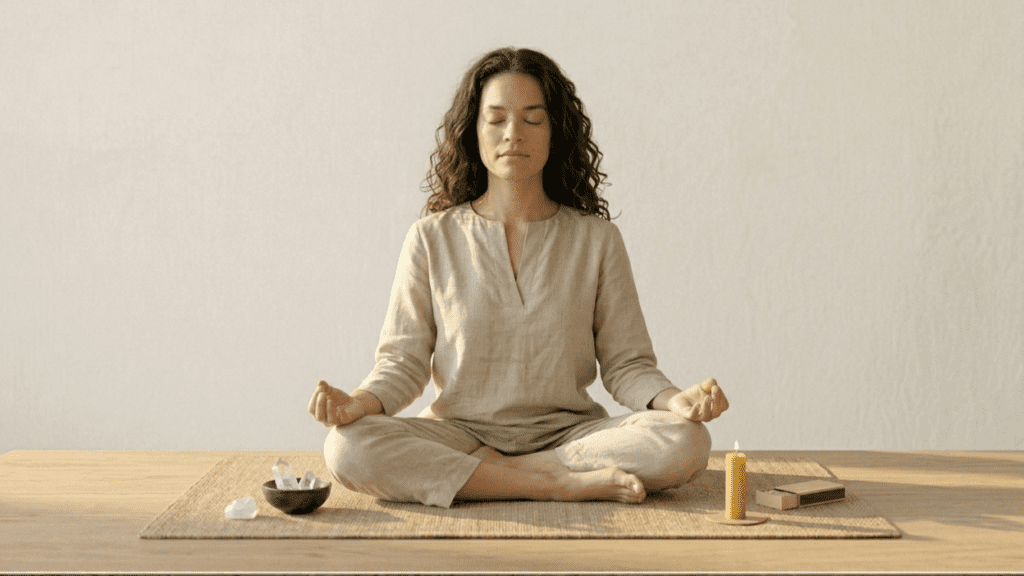
Thought awareness meditation teaches individuals to observe thoughts without reacting to them.
Rather than trying to eliminate thoughts, mindfulness encourages acknowledging them and letting them pass naturally.
This perspective helps reduce emotional reactivity to stressful situations.
Over time, practicing thought awareness improves emotional resilience and mental clarity.
8. Digital Mindfulness Breaks
Constant exposure to screens and digital notifications can significantly increase stress levels.
Taking intentional breaks from devices allows the brain to rest and recover from continuous stimulation.
Digital mindfulness involves stepping away from screens and focusing on simple sensory experiences such as breathing or listening to surrounding sounds.
These breaks help reset attention and reduce mental fatigue.
9. Short Daily Mindfulness Sessions
Consistency plays a key role in gaining benefits from mindfulness practices.
Even short daily sessions lasting five to ten minutes can help train the mind to remain present.
Regular mindfulness practice strengthens neural pathways involved in emotional regulation and attention.
Research summarized by the Johns Hopkins University School of Medicine suggests mindfulness meditation may help reduce stress, anxiety, and symptoms of depression.
Frequently Asked Questions (FAQ)
What are mindfulness techniques for stress relief?
Mindfulness techniques for stress relief are practices that help individuals focus on the present moment while observing thoughts and emotions calmly.
How long should mindfulness practice last?
Beginners can start with five to ten minutes per day and gradually increase the duration as the practice becomes more comfortable.
Can mindfulness reduce anxiety?
Yes. Many studies show that mindfulness practices can reduce anxiety by improving emotional regulation and reducing repetitive negative thinking.
Is mindfulness the same as meditation?
Mindfulness is a broader concept that includes meditation practices as well as mindful awareness during everyday activities.
Conclusion
Managing stress effectively is essential for maintaining mental and physical health. Mindfulness practices provide practical tools that help individuals develop greater awareness and emotional balance.
Techniques such as deep breathing, body scan meditation, mindful walking, and gratitude reflection can help calm the mind and reduce stress levels.By practicing these mindfulness techniques for stress relief regularly, individuals can build resilience, improve focus, and support overall well-being.
Read our article to know how to Reduce Stress Naturally