5 Daily Mindfulness Practices to Improve Focus and Mental Clarity
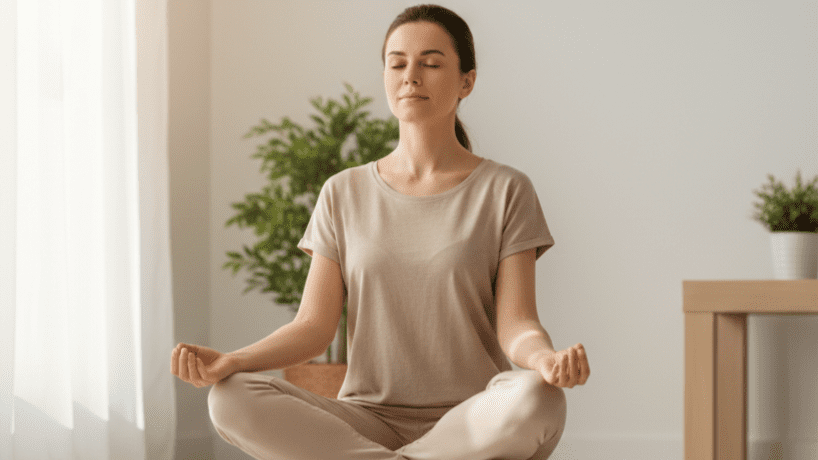
Daily mindfulness practices can significantly improve focus, mental clarity, and emotional balance. In a fast-paced world filled with distractions, developing a simple mindfulness routine helps calm the mind, reduce stress naturally, and improve productivity. Here are five practical mindfulness practices you can easily apply every day.
Mindfulness is not about emptying the mind or escaping reality. Instead, it is the practice of paying full attention to the present moment without judgment. Research in psychology and neuroscience shows that regular mindfulness practices strengthen attention control, emotional regulation, and cognitive flexibility.
When practiced consistently, mindfulness can reduce mental fatigue caused by constant multitasking and information overload. By training the brain to focus on one experience at a time, mindfulness supports long-term mental clarity and sustainable focus throughout the day.
1. Mindfulness Meditation to Improve Focus
Mindfulness meditation is one of the most effective practices to improve focus and mental clarity. Spending just 5–10 minutes each morning focusing on your breath helps train your mind to stay present and reduces mental distractions throughout the day.
Mindfulness meditation works by strengthening the brain’s attention networks. Studies using brain imaging have shown increased activity in areas responsible for focus and awareness after consistent meditation practice. This makes it easier to notice when the mind wanders and gently bring attention back.
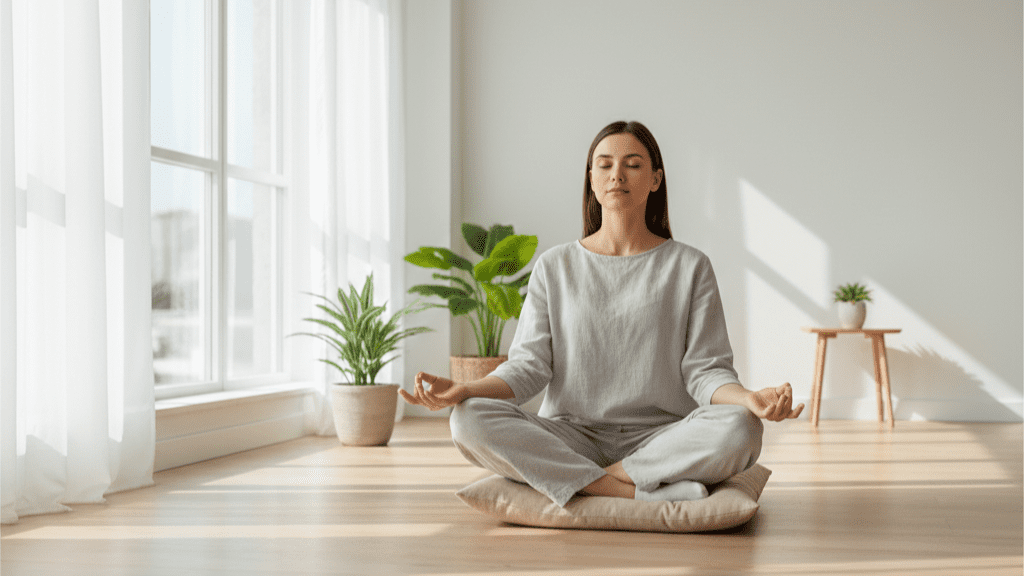
Practicing meditation early in the day sets a mental tone of awareness and calm. This improved baseline helps individuals respond to stressors more effectively rather than reacting impulsively, preserving mental energy and clarity.
You don’t need perfect silence or long sessions. Even short, consistent mindfulness meditation sessions improve cognitive performance over time. The key is regularity, not duration.
2. Mindful Breathing for Mental Clarity
Mindful breathing slows down racing thoughts and activates the body’s relaxation response. Taking a few deep, intentional breaths during the day can instantly reduce stress and improve concentration, especially during busy or overwhelming moments.
Mindful breathing directly influences the nervous system by activating the parasympathetic response. This lowers cortisol levels and slows heart rate, creating a physiological state that supports mental clarity and focus.
Practicing mindful breathing during transitions—such as before meetings or after screen time—helps reset attention. This prevents mental overload and maintains productivity throughout the day.

Over time, mindful breathing increases awareness of emotional patterns. Recognizing early signs of stress allows for quicker self-regulation and improved emotional balance.
3. Mindful Eating as a Daily Mindfulness Practice
Mindful eating encourages awareness of flavors, textures, and hunger signals. This mindfulness practice improves digestion, reduces overeating, and strengthens your connection between mind and body, supporting better mental clarity and focus.
Eating while distracted forces the brain to multitask, which reduces satisfaction and increases mental fatigue. Mindful eating promotes full engagement with the experience, helping the brain practice sustained attention.
This practice also supports digestion by activating the body’s rest-and-digest response. Improved digestion reduces physical discomfort that can negatively affect concentration and energy levels.
Mindful eating encourages healthier food choices over time, as awareness of how foods affect mood and focus becomes clearer. This supports long-term mental and emotional wellbeing.
4. Body Awareness to Reduce Stress Naturally
Practicing body awareness helps identify areas of tension caused by stress. By scanning your body and consciously relaxing tight muscles, you reduce stress naturally and improve your overall sense of calm and mental balance.
Body awareness practices, such as body scans, enhance the mind-body connection. Recognizing physical tension early prevents chronic stress buildup that can impair focus and mental clarity.
Stress often manifests physically before becoming a conscious thought. Body awareness allows individuals to intervene early, reducing stress before it affects mood or productivity.
Regular body awareness also improves posture and movement efficiency. Reduced muscular tension conserves energy and supports sustained focus during daily activities.
5. Gratitude Journaling for Mental Focus
Gratitude journaling is a powerful mindfulness practice that shifts attention away from negative thoughts. Writing down a few things you’re grateful for each day improves emotional regulation, mental clarity, and long-term focus.

Gratitude journaling trains the brain to notice positive experiences rather than fixating on stressors. This cognitive shift reduces rumination, a common cause of mental fatigue and distraction.
Research shows that gratitude practices improve emotional resilience. When emotional regulation improves, mental clarity and focus naturally follow.
Journaling also enhances self-awareness. Reflecting on daily experiences helps individuals recognize patterns that influence focus, stress, and emotional balance.
FAQ
Q1: How long does it take to see benefits from daily mindfulness practices?
Most people notice reduced stress and improved focus within one to two weeks of consistent practice.
Q2: Can mindfulness really improve mental clarity?
Yes. Mindfulness improves attention control, emotional regulation, and awareness, all of which directly support mental clarity.
Q3: Do I need special tools to practice mindfulness?
No. Most mindfulness practices require only attention and intention, making them accessible anywhere.
You may also benefit from our guide on stretching routines that boost energy and reduce stress
Incorporating mindfulness practices into your daily routine doesn’t require much time or effort. By consistently applying these simple techniques and daily mindfulness routine, you can improve focus, reduce stress naturally, and develop lasting mental clarity. Start with one practice and gradually build a routine that fits your lifestyle.