Powerful Meditation Practices for Focus: 10 Daily Tips That Truly Improve Concentration
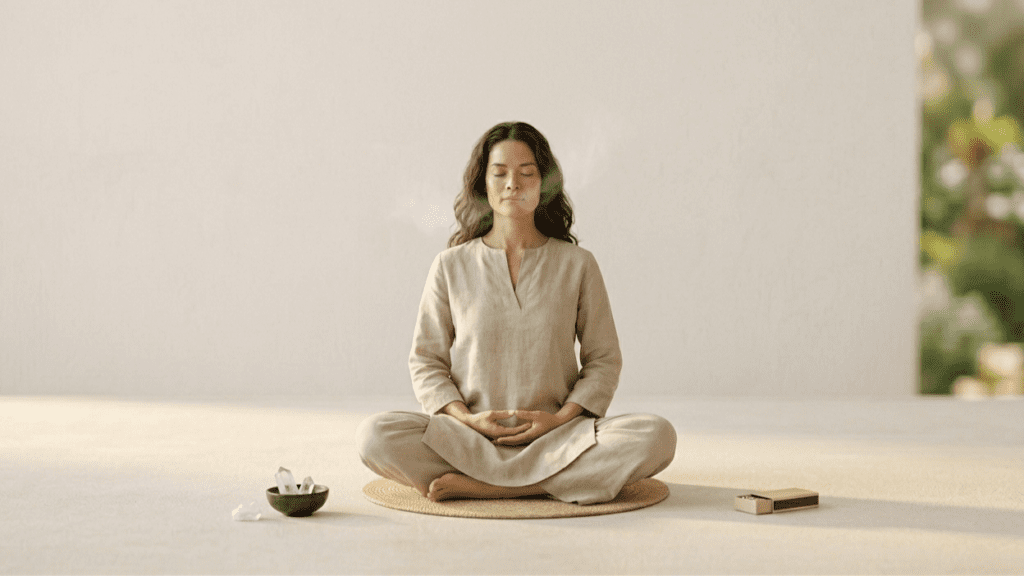
Difficulty concentrating has become increasingly common in modern life. Notifications, multitasking, and constant digital stimulation often weaken attention spans. Fortunately, meditation practices for focus can train the brain to concentrate more effectively and maintain mental clarity.
Studies from the Harvard Medical School and the National Institutes of Health show that regular meditation improves attention control, working memory, and cognitive flexibility. Even short daily sessions can gradually strengthen the brain’s ability to stay focused.
The following ten meditation techniques are simple daily habits that can help sharpen attention, reduce mental distractions, and improve productivity.
1. Breath Awareness Meditation
Breath awareness is one of the most accessible meditation practices for focus because it trains the mind to stay anchored in the present moment. By focusing on breathing patterns, the brain learns to return to a single point of attention whenever distractions appear.
The technique involves sitting comfortably and observing each inhale and exhale without trying to control the breath. Attention is placed on the sensation of air moving through the nose or chest.
When thoughts arise, practitioners simply acknowledge them and gently return their attention to breathing. This repeated redirection strengthens mental discipline over time.
Research highlighted by the American Psychological Association shows that breath-based meditation can significantly improve sustained attention and reduce mind wandering.
2. Body Scan Meditation

Body scan meditation improves focus by increasing awareness of physical sensations throughout the body. The exercise directs attention sequentially from the head down to the toes.
During this practice, individuals mentally scan each part of the body and observe sensations such as tension, warmth, or relaxation. This structured attention strengthens the brain’s ability to maintain concentration.
Body scan meditation is often used in mindfulness-based stress reduction programs because it trains awareness while also relaxing the nervous system.
Consistent practice helps reduce mental clutter and allows the mind to become calmer and more attentive throughout daily activities.
3. Counting Breaths Meditation
Counting breaths adds a gentle mental task to breathing meditation, which can make it easier to maintain focus. Instead of simply observing breathing, the practitioner counts each inhale and exhale.
A common approach is counting from one to ten and then starting again from one. If attention drifts, the count restarts from the beginning.
This technique strengthens attention because the mind must remain engaged in the counting process. It also provides an easy way to detect when the mind becomes distracted.
Many beginners find this technique particularly helpful when developing early concentration skills.
4. Guided Meditation for Concentration
Guided meditation uses spoken instructions to help maintain focus during the session. A teacher or audio guide provides cues that keep attention anchored on breathing, body sensations, or visualization.
Guided sessions are particularly helpful for beginners who struggle with maintaining focus during silent meditation.
These recordings often include structured breathing exercises, relaxation prompts, and reminders to return attention to the present moment.
Platforms and meditation programs supported by research from the University of Wisconsin–Madison Center for Healthy Minds have shown measurable improvements in attention training through guided mindfulness programs.
5. Candle Gazing Meditation (Trataka)
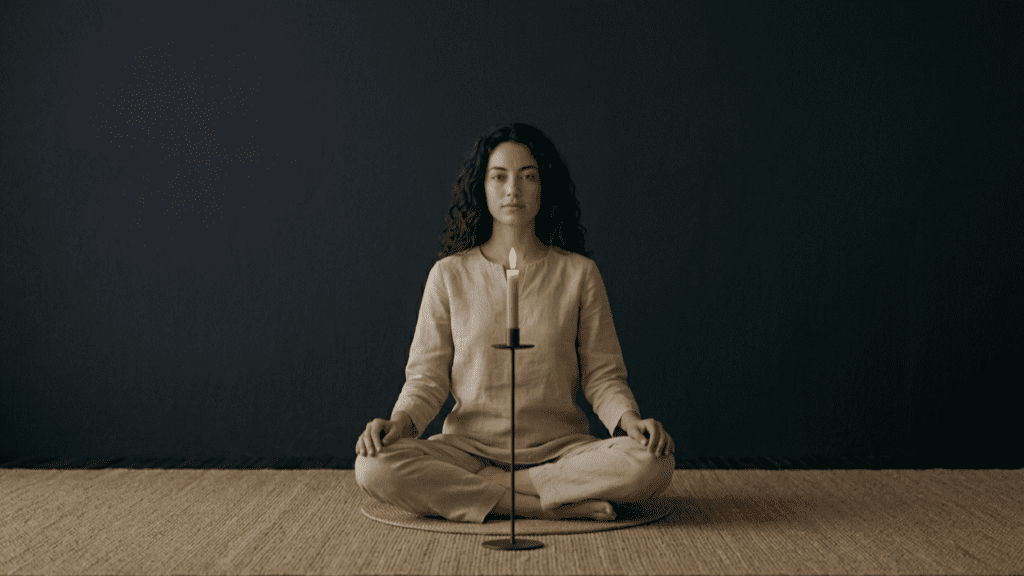
Candle gazing meditation, also known as Trataka in traditional yoga practices, involves focusing the eyes on a steady flame. This visual concentration technique strengthens both mental focus and eye stability.
The practitioner sits comfortably and places a candle at eye level about an arm’s length away. Attention remains fixed on the flame without blinking excessively.
If tears form or the eyes become tired, practitioners briefly close their eyes and visualize the flame internally.
This practice is often used in yoga traditions because it develops intense concentration and improves mental clarity.
6. Mantra Meditation
Mantra meditation involves silently repeating a word or phrase that helps anchor attention. The repeated sound becomes the central focus of awareness.
The mantra may be a traditional phrase such as “Om” or a simple word related to calmness or clarity.
Repeating the mantra rhythmically with breathing allows the mind to settle into a steady pattern. This repetition reduces distracting thoughts and encourages deeper concentration.
Over time, mantra meditation trains the mind to stay engaged with a single point of focus for longer periods.
7. Mindful Walking Meditation
Meditation does not always require sitting still. Walking meditation combines gentle movement with mindful awareness.
During the practice, attention is directed to the sensation of each step, the movement of the legs, and the rhythm of breathing while walking slowly.
This technique can be especially helpful for individuals who struggle with seated meditation.
Walking meditation strengthens focus by synchronizing physical movement with attention, creating a strong mind-body connection.
8. Visualization Meditation
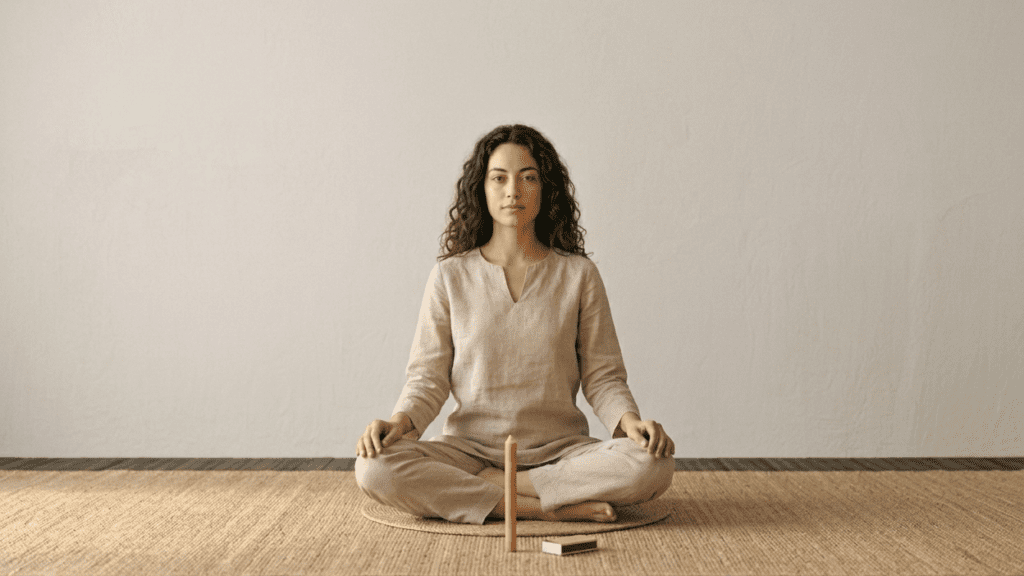
Visualization meditation strengthens concentration by directing attention toward a mental image. The practitioner imagines a calming or meaningful object and focuses on maintaining the image clearly in the mind.
Common visualization subjects include a glowing light, a peaceful place, or a symbol representing clarity.
The goal is to keep the mental image stable without allowing distracting thoughts to interrupt.
Regular visualization practice can enhance mental imagery skills and improve the brain’s ability to sustain attention.
9. Single-Task Meditation
Modern lifestyles encourage multitasking, but this habit often reduces productivity and mental clarity. Single-task meditation trains the mind to focus fully on one activity at a time.
This practice involves performing everyday tasks such as drinking tea, washing dishes, or writing while giving complete attention to the action.
All sensations, movements, and thoughts related to the task are observed mindfully.
Practicing single-task awareness throughout the day strengthens focus and improves the ability to resist distractions.
10. Short Daily Meditation Sessions
Consistency is one of the most important factors in improving focus through meditation. Even brief sessions practiced daily can produce noticeable cognitive benefits.
Many beginners start with five to ten minutes of meditation each morning or evening.
Regular meditation strengthens neural pathways related to attention control and emotional regulation.
According to research summarized by the Johns Hopkins University School of Medicine, consistent mindfulness meditation can improve focus, reduce stress, and enhance overall mental performance.
Frequently Asked Questions (FAQ)
How long should meditation for focus last?
Most beginners benefit from starting with sessions lasting five to ten minutes per day. As concentration improves, sessions can gradually extend to fifteen or twenty minutes.
Which meditation technique improves focus the fastest?
Breath awareness meditation and counting breaths are often the most effective starting techniques because they provide a clear and simple focus point.
Can meditation improve productivity?
Yes. Many studies show that regular meditation strengthens attention control and reduces distractions, which can lead to better productivity and decision-making.
How long does it take to see results?
Some people notice improvements in mental clarity within a few weeks of consistent practice, especially when meditation is performed daily.
Conclusion
Modern life constantly competes for attention, making it increasingly difficult to maintain focus. Fortunately, simple daily meditation habits can train the brain to concentrate more effectively.
Practices such as breath awareness, mantra meditation, visualization, and mindful walking gradually strengthen mental discipline and reduce distractions.
When practiced consistently, these meditation practices for focus can significantly improve attention, productivity, and overall mental clarity.
Read our article about Meditation Techniques for Anxiety for more information
Pingback: Simple Breathing Exercises for Focus and Mental Clarity