Foods for Better Sleep: 9 Powerful & Natural Choices for Restful Nights

Sleep is essential for physical recovery, mental clarity, and overall well-being. Yet millions of people struggle with falling asleep or staying asleep throughout the night. While stress, lifestyle, and screen exposure can interfere with sleep quality, diet also plays a significant role. That’s why many people search for Foods for Better Sleep as a natural way to support healthier sleep patterns.
Certain foods contain nutrients that promote relaxation and help regulate the body’s internal clock. Compounds such as melatonin, magnesium, tryptophan, and complex carbohydrates can support the production of sleep-regulating hormones.
According to the Sleep Foundation, dietary choices may influence sleep quality by affecting hormone levels and the body’s circadian rhythm.
Below are nine natural foods that may help promote relaxation and support deeper, more restorative sleep.
Why Diet Matters for Sleep Quality
The body produces hormones such as melatonin and serotonin that regulate the sleep–wake cycle. Certain nutrients support the production of these hormones.
Foods rich in magnesium help relax muscles and calm the nervous system, making it easier to fall asleep.
Complex carbohydrates can increase the availability of tryptophan in the brain, a compound that helps produce serotonin.
Combining balanced nutrition with healthy sleep habits can significantly improve sleep quality over time.
1. Almonds – A Natural Source of Magnesium
Almonds are rich in magnesium, a mineral known to support muscle relaxation and nervous system health.
Magnesium may help regulate neurotransmitters involved in sleep and relaxation.
Research suggests adequate magnesium intake may help improve sleep quality in individuals experiencing insomnia.
A small handful of almonds in the evening can provide both healthy fats and sleep-supporting nutrients.
2. Bananas – Potassium and Relaxation
Bananas are another excellent addition to a list of Foods for Better Sleep.
They contain potassium and magnesium, which help relax muscles and reduce nighttime cramps.
Bananas also provide small amounts of tryptophan, a precursor to serotonin and melatonin.
Their natural sweetness makes them an ideal light evening snack.
3. Oats – Supporting Melatonin Production
Oats are commonly associated with breakfast, but they can also support sleep when consumed in the evening.
They naturally contain melatonin, the hormone responsible for regulating sleep cycles.
Oats also provide complex carbohydrates that help increase tryptophan availability in the brain.
This combination may help promote feelings of calmness before bedtime.

4. Cherries – A Natural Melatonin Source
Cherries, particularly tart cherries, are one of the few natural food sources of melatonin.
Melatonin helps regulate the body’s circadian rhythm and signals the body that it is time to sleep.
Studies have suggested that tart cherry juice may help improve sleep duration and quality.
Eating a small portion of cherries in the evening may help support healthy sleep patterns.
5. Yogurt – Supporting Gut and Sleep Health
Yogurt contains calcium, which plays a role in the brain’s use of tryptophan.
Calcium helps the body produce melatonin from tryptophan.
Probiotic-rich yogurt may also support gut health, which is increasingly linked to sleep quality.
Choosing plain yogurt with minimal added sugar provides the greatest benefit.
6. Herbal Tea – Relaxation Before Bed
Herbal teas such as chamomile are well known for their calming effects.
Chamomile contains antioxidants that may help reduce anxiety and promote relaxation.
Warm beverages can also signal the body to slow down and prepare for rest.
Many people include herbal tea in their evening routine to help unwind before sleep.

7. Kiwi – A Nutrient-Rich Sleep Aid
Kiwis contain antioxidants and serotonin, both of which may help support sleep.
Some studies suggest eating kiwi before bed may improve sleep onset and duration.
Kiwis are also rich in vitamin C and fiber, supporting overall health.
Their light sweetness makes them a refreshing evening snack.
8. Walnuts – Supporting Melatonin and Healthy Fats
Walnuts contain melatonin along with healthy omega-3 fatty acids.
These nutrients may support the body’s natural sleep cycle.
Healthy fats in walnuts also help promote satiety, reducing late-night hunger.
A small portion of walnuts can be a satisfying bedtime snack.
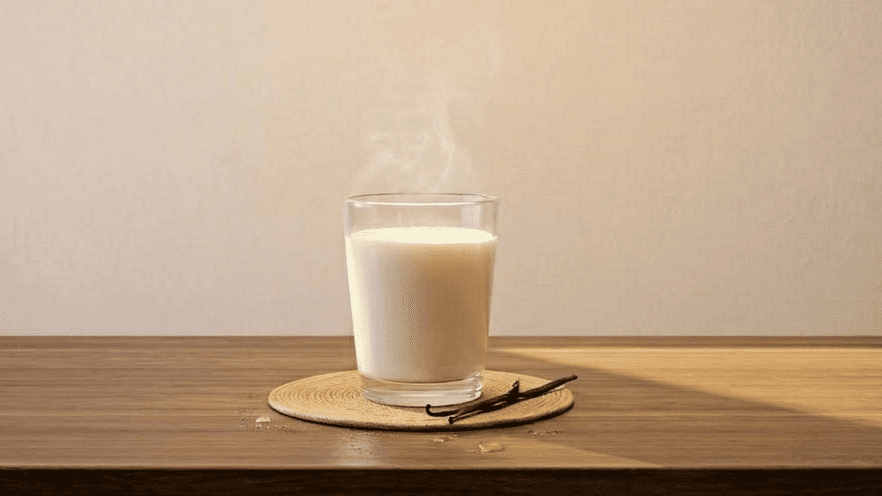
9. Warm Milk – A Classic Sleep Remedy
Warm milk has long been associated with relaxation before bedtime.
Milk contains tryptophan and calcium, which may support the production of sleep hormones.
The comforting warmth of milk may also have a psychological calming effect.
Many people still rely on this traditional remedy to help wind down before sleep.
Frequently Asked Questions (FAQ)
What foods help you fall asleep faster?
Foods rich in magnesium, melatonin, and tryptophan—such as almonds, cherries, and bananas—may help promote relaxation and support sleep.
Is it good to eat before bedtime?
A light snack containing protein and complex carbohydrates may support sleep, but heavy meals should be avoided.
Do sugary foods affect sleep?
High sugar intake before bed can disrupt sleep and increase nighttime awakenings.
How long before bed should I eat?
Experts generally recommend eating at least one to two hours before bedtime.
Conclusion
Adding Foods for Better Sleep to your evening routine may help improve sleep quality naturally. Nutrient-rich foods such as almonds, oats, cherries, and herbal tea support the body’s natural sleep-regulating hormones.
By combining healthy dietary habits with good sleep hygiene—such as reducing screen time and maintaining a consistent bedtime—you can create an environment that promotes restful nights and improved well-being.
Small dietary adjustments can make a meaningful difference in achieving deeper, more restorative sleep.
Suggested article: Meditation Techniques for Anxiety