10 Easy Home Workouts for Beginners to Build Strength and Confidence
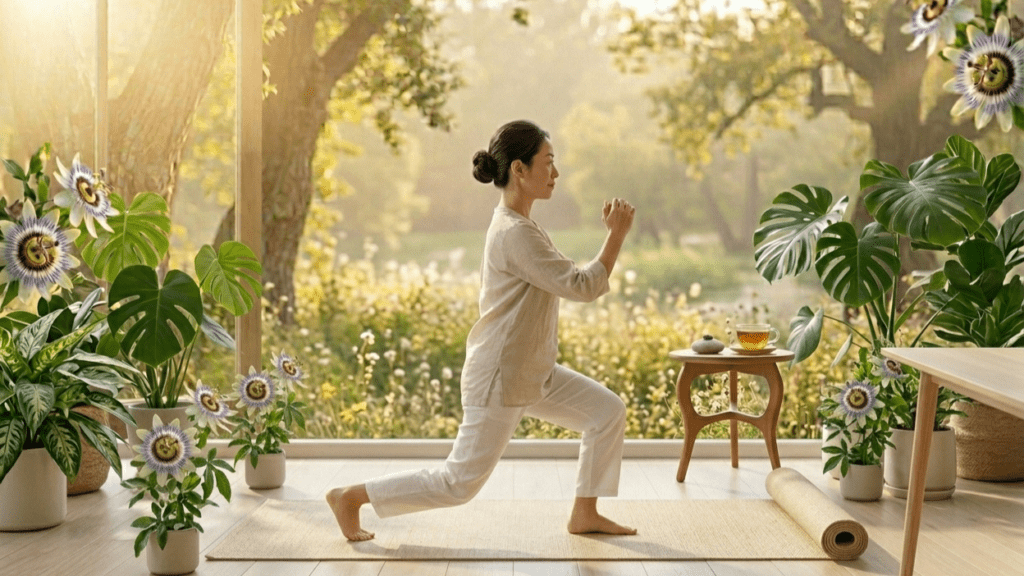
Starting a fitness routine can feel overwhelming, especially when you’re new to exercise. Many beginners worry about complicated routines, expensive gym memberships, or equipment they don’t own. Fortunately, home workouts for beginners offer a convenient, affordable, and effective way to improve fitness without leaving your living room, specially if you combine them with Natural Energy Boosters.
Simple exercises performed at home can increase strength, improve flexibility, and support cardiovascular health. According to the American Heart Association, adults should aim for at least 150 minutes of moderate physical activity per week, and beginner-friendly routines can easily contribute to this goal.
The key to success is starting with manageable movements that build a foundation of strength and mobility. Over time, consistent training helps develop endurance, coordination, and confidence in your physical abilities.
In this guide, you’ll discover 10 easy exercises designed specifically for beginners, along with tips to stay motivated and get the most from your workout routine.
1. Why Home Workouts Are Perfect for Beginners
Starting exercise at home removes many barriers that prevent people from beginning a fitness routine. Without travel time or crowded gyms, beginners can focus on learning proper movements and building confidence at their own pace.
One of the biggest benefits of beginner home workouts is accessibility. Most routines require minimal or no equipment, making them ideal for people working with limited space or budget.
Home workouts also encourage consistency. When exercise becomes part of a daily routine—like a quick morning stretch or evening workout—it becomes easier to maintain over time.
Finally, beginner-friendly exercises reduce injury risk. Simple bodyweight movements allow the body to adapt gradually while improving strength, mobility, and endurance.
2. Warm-Up: Preparing Your Body for Exercise
Before performing any home workouts for beginners, warming up is essential. A proper warm-up increases blood flow to muscles and prepares joints for movement.
Dynamic movements such as arm circles, gentle squats, and light marching in place gradually raise heart rate and loosen stiff muscles. These activities reduce the likelihood of strains or injuries.
Experts at the Mayo Clinic recommend warming up for five to ten minutes before exercising. Even short sessions significantly improve performance and safety.
A good warm-up also mentally prepares you for the workout. It helps shift focus away from daily distractions and toward movement and breathing.
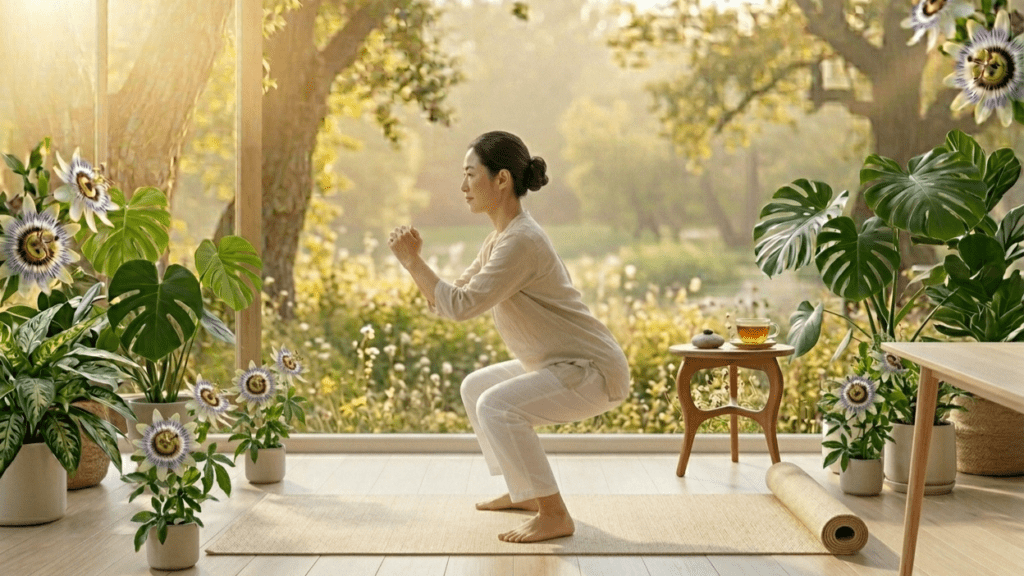
3. Squats: The Foundation of Lower-Body Strength
Squats are one of the most effective exercises in home workouts for beginners because they strengthen multiple muscle groups simultaneously.
This movement primarily targets the quadriceps, hamstrings, and glutes while also engaging the core. It closely mimics everyday movements like sitting and standing.
For beginners, bodyweight squats provide enough resistance to build strength. Proper form includes keeping the chest upright, knees aligned with toes, and weight distributed through the heels.
Regular practice improves balance and mobility, making everyday activities easier and supporting overall functional fitness.
4. Push-Ups: Building Upper Body Strength
Push-ups are a classic bodyweight exercise commonly included in easy home workouts for beginners. They strengthen the chest, shoulders, triceps, and core.
Beginners who struggle with traditional push-ups can start with wall push-ups or knee push-ups. These variations reduce resistance while still building upper-body strength.
Consistent push-up practice improves posture by strengthening muscles that support the shoulders and spine.
Over time, beginners often progress to full push-ups, demonstrating measurable improvement in strength and endurance.
5. Lunges: Strength and Balance Training
Lunges are another powerful movement included in many beginner workout routines at home. They target the legs while also improving balance and coordination.
Each lunge engages the quadriceps, glutes, hamstrings, and stabilizing muscles around the hips and knees.
Beginners should focus on controlled movement rather than speed. Keeping the torso upright and stepping forward carefully helps maintain stability.
Practicing lunges regularly can improve athletic performance, walking efficiency, and lower-body strength.
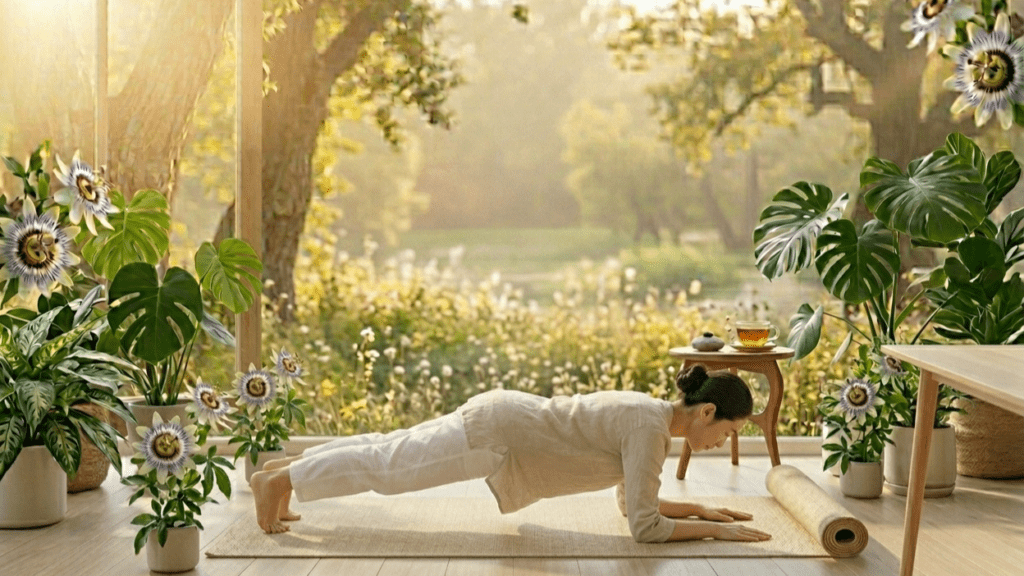
6. Planks: Strengthening the Core
A strong core is essential for posture, balance, and injury prevention. Planks are a simple but highly effective addition to home workouts for beginners.
This exercise engages abdominal muscles, lower back, shoulders, and glutes simultaneously. Holding the position strengthens the entire midsection.
Beginners can start with short holds of 10–20 seconds and gradually increase duration as strength improves.
The National Academy of Sports Medicine notes that core training enhances stability and helps support many other exercises.
7. Jumping Jacks: Quick Cardio at Home
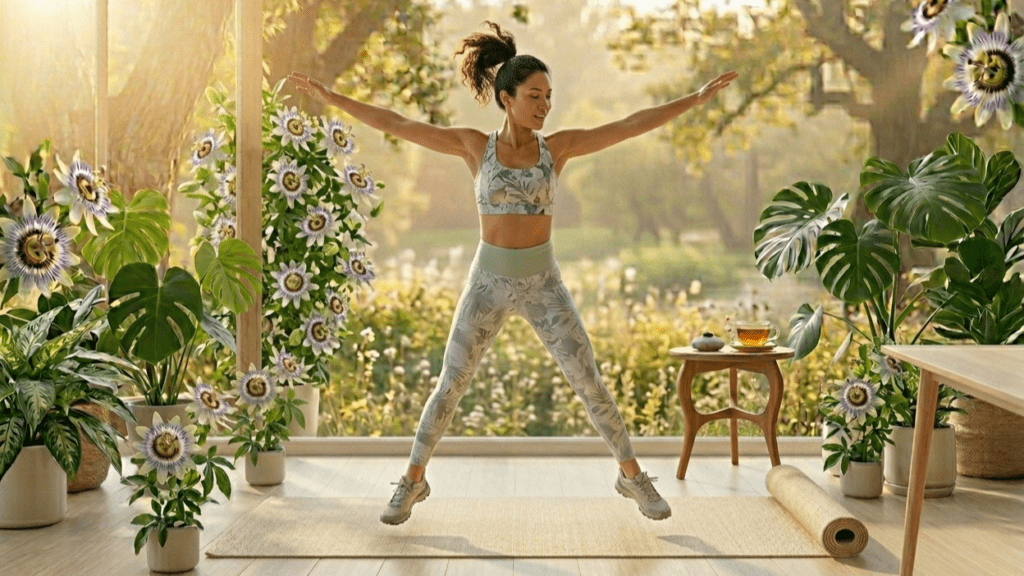
Jumping jacks provide a fast and effective cardio workout without equipment. They increase heart rate and activate multiple muscle groups.
For people starting home workouts for beginners, this movement improves cardiovascular endurance and coordination.
Beginners who prefer lower-impact exercise can step side-to-side instead of jumping. This variation still delivers cardiovascular benefits.
Adding a few sets of jumping jacks to a routine helps burn calories and improve stamina.
8. Glute Bridges: Strengthening the Posterior Chain
Glute bridges are excellent for strengthening the muscles on the back side of the body. They primarily target the glutes and lower back.
This movement is often recommended in beginner bodyweight workout plans because it improves hip stability and posture.
Performing glute bridges regularly may reduce lower-back discomfort caused by long periods of sitting.
The exercise also improves hip mobility, which supports movements such as running, climbing stairs, and lifting.
9. Mountain Climbers: Full-Body Cardio Exercise
Mountain climbers combine strength and cardio, making them a valuable addition to quick home workouts for beginners.
This exercise activates the core, shoulders, and legs while raising heart rate. It also improves coordination and agility.
Beginners can perform the movement slowly to maintain proper form and control.
Gradually increasing speed transforms the exercise into a high-intensity cardio challenge.
10. Stretching: Recovery and Flexibility
Stretching after home workouts for beginners is essential for muscle recovery and flexibility.
Static stretches for the hamstrings, calves, shoulders, and back help relax muscles after activity.
Regular stretching improves range of motion and reduces stiffness following workouts.
It also supports long-term mobility, helping beginners maintain consistent exercise routines without discomfort.
Read more about Meditation Techniques for Anxiety for more information
FAQ
Can beginners really get fit with home workouts?
Yes. Consistent home workouts for beginners can improve strength, endurance, and flexibility without a gym.
How long should a beginner workout last?
A beginner workout can last between 10 and 30 minutes depending on fitness level and goals.
Do I need equipment for beginner home workouts?
Most beginner routines rely on bodyweight movements and require no equipment.
How many days per week should beginners exercise?
Beginners can start with three days per week and gradually increase frequency as fitness improves.
Conclusion
Starting a fitness journey doesn’t require expensive equipment or complex routines. Home workouts for beginners provide an accessible and effective way to build strength, improve mobility, and develop healthy habits.
By practicing simple exercises like squats, push-ups, lunges, and planks, beginners can gradually build endurance and confidence. Even short daily workouts can lead to meaningful improvements in overall health.
The most important factor is consistency. With patience and regular practice, beginner home workouts can become the foundation of a lifelong fitness routine.
Don’t forget to discover important Foods to Improve Digestion for a great routine lifestyle.