Meditation Techniques for Anxiety: 8 Powerful & Simple Steps to Calm Your Mind
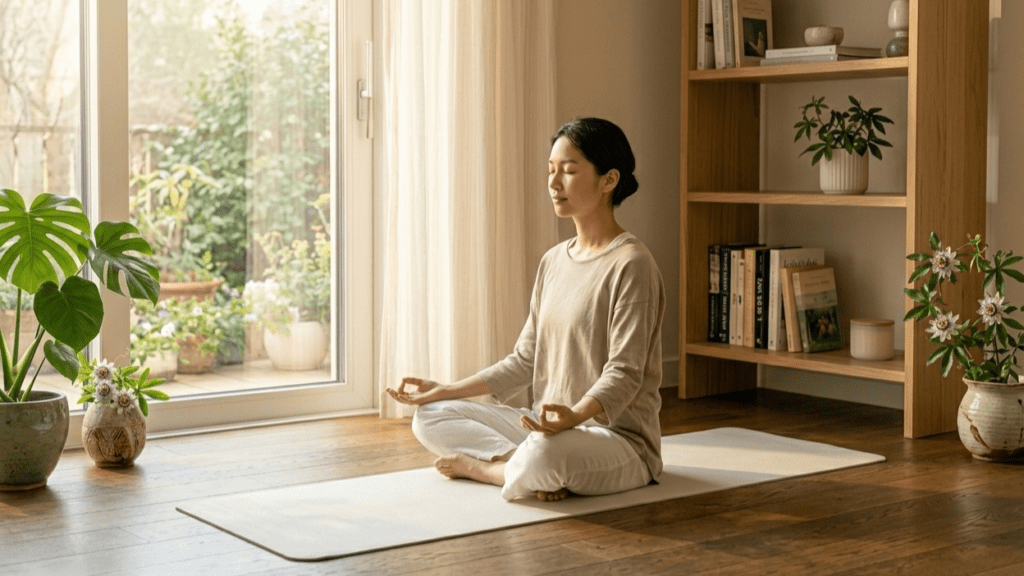
Anxiety affects millions of people worldwide, often disrupting sleep, focus, and overall well-being. While therapy and lifestyle changes remain essential, many individuals search for Meditation Techniques for Anxiety as a natural way to calm the mind and regulate stress responses.
Meditation works by activating the parasympathetic nervous system, lowering cortisol levels, and helping the brain shift away from constant worry. Scientific studies show that consistent meditation may improve emotional regulation, attention control, and resilience to stress.
In this guide, you’ll learn eight simple meditation techniques that beginners can practice daily to reduce anxiety and restore mental balance.
Why Meditation Helps Reduce Anxiety Naturally
Meditation trains the brain to focus on the present moment rather than worrying about the past or future. This shift reduces rumination, which is a common driver of anxiety.
Neuroscience research indicates that regular meditation may decrease activity in the amygdala, the brain region responsible for fear responses.
At the same time, meditation strengthens the prefrontal cortex, improving emotional regulation and decision-making.
Even short daily sessions—sometimes just 10 minutes—can gradually build mental resilience against stress.
1. Deep Breathing Meditation
Deep breathing meditation is one of the simplest yet most effective methods for calming anxiety.
Slow diaphragmatic breathing signals the nervous system to switch from “fight or flight” to “rest and relax.”
To practice, inhale slowly through the nose for four seconds, hold briefly, then exhale for six seconds.
Repeating this cycle for several minutes can significantly reduce physical tension and racing thoughts.
2. Body Scan Meditation
Body scan meditation helps reconnect the mind with physical sensations.
Start by focusing attention on your toes and gradually move upward through each part of the body.
This technique increases awareness of tension patterns caused by stress.
As you notice tight areas, consciously relax those muscles while breathing slowly.
3. Mindfulness Meditation
Mindfulness meditation focuses on observing thoughts without judgment.
Instead of suppressing anxious thoughts, you acknowledge them and gently return attention to breathing.
This approach trains the brain to avoid overreacting to worries.
Over time, mindfulness helps reduce emotional reactivity and improve clarity.
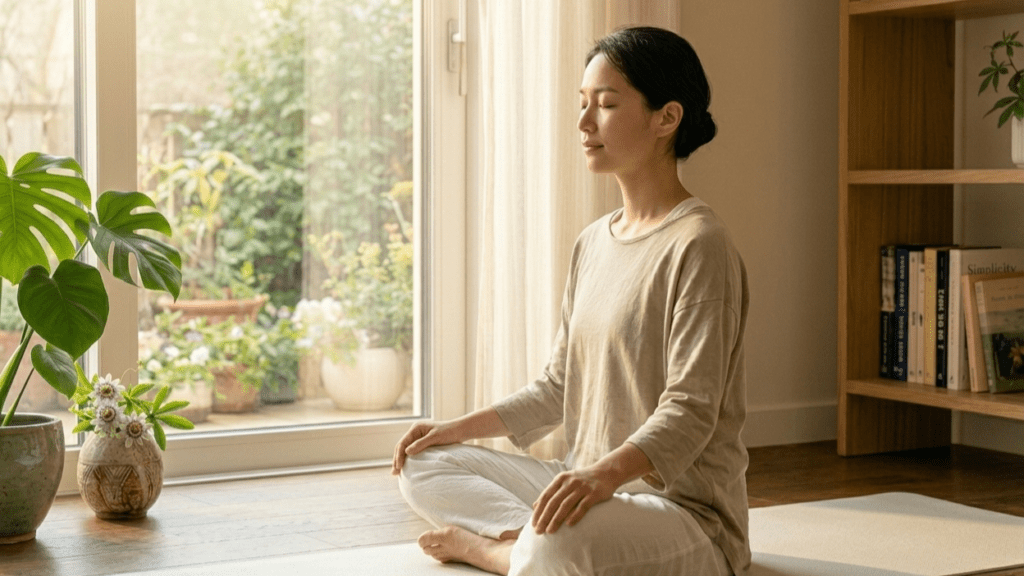
4. Guided Visualization Meditation
Visualization meditation uses mental imagery to create a calming experience.
You might imagine walking through a peaceful forest, sitting beside the ocean, or resting in a quiet meadow.
These mental images stimulate relaxation responses similar to real experiences.
Guided audio recordings can help beginners stay focused during visualization sessions.
5. Loving-Kindness Meditation
Loving-kindness meditation focuses on generating compassion toward yourself and others.
You silently repeat phrases such as “May I be calm, safe, and peaceful.”
Then extend those wishes to loved ones and eventually to all people.
Research suggests this practice may reduce self-criticism and improve emotional resilience.
6. Mantra Meditation
Mantra meditation involves repeating a word or phrase rhythmically.
The repetition helps anchor attention and quiet mental chatter.
Popular mantras include simple sounds like “Om” or phrases such as “I am calm.”
The rhythmic focus can help slow breathing and stabilize thoughts.
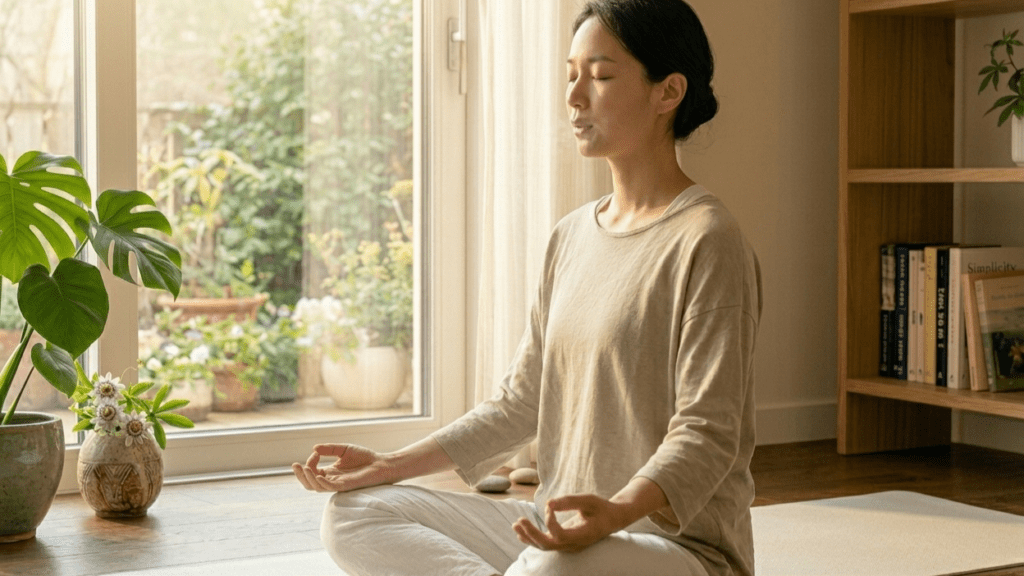
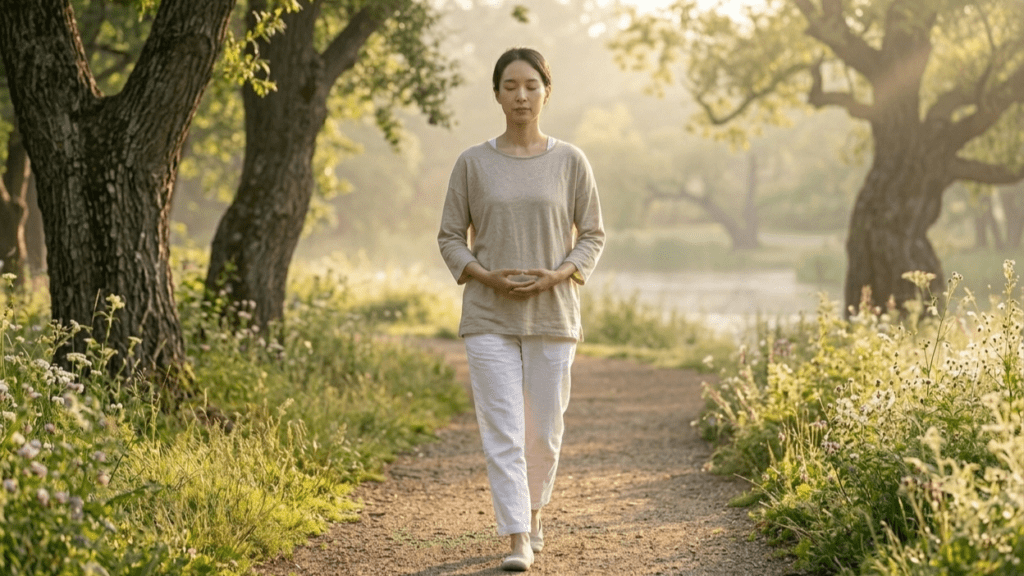
7. Walking Meditation
Walking meditation combines gentle movement with mindful awareness.
Instead of sitting still, you focus attention on each step and breath.
Feel the ground beneath your feet and notice surrounding sounds.
This technique works well for people who find sitting meditation difficult.
8. Gratitude Meditation
Gratitude meditation shifts attention from stress toward positive experiences.
Begin by reflecting on three things you appreciate in your life.
Allow yourself to feel genuine appreciation and warmth.
Practicing gratitude regularly may improve mood and reduce anxiety levels.
Frequently Asked Questions (FAQ)
How long should I meditate for anxiety?
Beginners can start with 5–10 minutes daily and gradually increase to 20 minutes.
When is the best time to meditate?
Morning meditation can set a calm tone for the day, while evening sessions may improve sleep.
Can meditation replace anxiety medication?
Meditation supports mental health but should not replace professional medical advice or prescribed treatments.
How quickly will I see results?
Some people feel calmer after the first session, but consistent practice for several weeks brings deeper benefits.
Conclusion
Practicing Meditation Techniques for Anxiety offers a natural and powerful way to calm the mind, regulate stress responses, and improve emotional balance. Whether through mindful breathing, visualization, or gratitude meditation, these simple techniques can help build long-term resilience against anxiety. With regular practice, meditation becomes a reliable tool for maintaining mental clarity and inner peace.
Pingback: Relaxation Techniques for Anxiety: 8 Methods to Feel Calm