Natural Remedies for Headache: 10 Effective Ways to Relieve Pain

Headaches are one of the most common health complaints worldwide, affecting people of all ages and lifestyles. While over-the-counter medications can provide relief, many individuals prefer safer, natural alternatives that address the root causes of discomfort rather than simply masking symptoms. Natural remedies for headache relief are gaining popularity because they often have fewer side effects and can support long-term wellness.
In this article, you’ll discover ten scientifically supported natural remedies that can help reduce headache frequency and intensity. Whether you suffer from tension headaches, migraines, or stress-induced head pain, these methods can help you manage symptoms naturally and effectively.
1. Stay Hydrated to Prevent Dehydration Headaches
Dehydration is one of the most overlooked triggers of headaches. Even mild dehydration can reduce blood flow and oxygen delivery to the brain, leading to pain and discomfort. Drinking enough water throughout the day helps maintain proper body functions and reduces the risk of dehydration-related headaches.
Research shows that increasing water intake can significantly reduce headache intensity and frequency, especially for individuals who consume low daily fluids. Many people confuse thirst with hunger, which may worsen dehydration. Establishing a habit of drinking water regularly can prevent this problem.
Electrolyte balance also plays an important role in hydration. Minerals such as sodium, potassium, and magnesium help regulate nerve and muscle function. Drinking electrolyte-rich fluids or consuming fruits like bananas and oranges can support hydration and prevent headaches.
Another effective strategy is to monitor urine color as a hydration indicator. Pale yellow urine usually suggests proper hydration, while dark urine may indicate dehydration. Staying hydrated is one of the simplest natural headache treatments available.
2. Use Herbal Tea as a Natural Pain Reliever
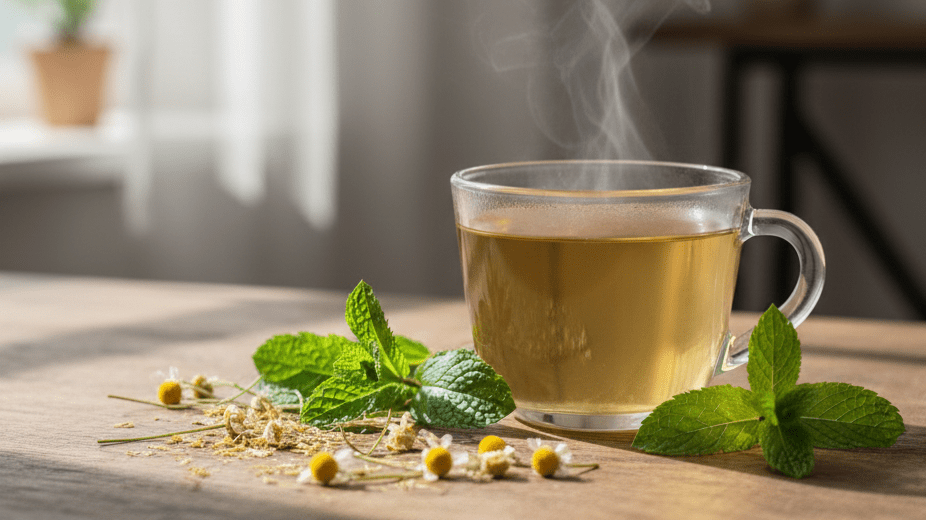
Herbal teas have been used for centuries as natural remedies for headache relief. Many herbs contain anti-inflammatory and calming properties that help reduce headache symptoms naturally.
Peppermint tea is widely known for its cooling effect and ability to relax muscles. The menthol compound in peppermint may improve blood flow and relieve tension headaches. Drinking peppermint tea or inhaling peppermint steam can provide quick relief.
Ginger tea is another powerful natural remedy. Studies suggest ginger may reduce migraine severity by blocking inflammatory pathways and reducing nausea. It can be consumed fresh, powdered, or as a tea infusion.
Chamomile tea promotes relaxation and improves sleep quality, which is crucial for preventing headaches caused by stress or fatigue. Regular consumption of herbal teas supports overall wellness and headache prevention.
3. Apply Cold or Warm Compress Therapy
Temperature therapy is a widely recommended natural headache treatment. Cold compresses help reduce inflammation and numb pain signals, especially in migraine headaches.
Applying an ice pack wrapped in cloth to the forehead or neck for 15 minutes can help reduce headache intensity. Cold therapy constricts blood vessels and reduces nerve sensitivity.
Warm compresses, on the other hand, help relieve muscle tension headaches. Heat relaxes tight neck and shoulder muscles, improving circulation and reducing pressure that contributes to headaches.
Alternating between cold and warm therapy may provide additional relief depending on the headache type. Many healthcare professionals recommend experimenting with both methods to determine which works best.
4. Try Essential Oils for Headache Relief
Essential oils are popular natural remedies for headache symptoms because of their therapeutic properties. Aromatherapy using essential oils can help reduce pain, stress, and tension.
Lavender oil is known for its calming effects and ability to reduce migraine severity. Studies suggest inhaling lavender oil vapor may significantly reduce headache pain intensity.
Peppermint essential oil contains menthol, which promotes muscle relaxation and improves blood circulation. Applying diluted peppermint oil to the temples may provide fast relief.
Eucalyptus oil supports sinus drainage and helps relieve headaches caused by sinus congestion. Essential oils should always be diluted with carrier oils before topical use to avoid skin irritation.
5. Maintain Proper Sleep Habits
Sleep disturbances are strongly linked to headaches and migraines. Poor sleep quality can increase stress hormones and trigger neurological imbalances.
Maintaining a consistent sleep schedule helps regulate the body’s internal clock and reduces headache triggers. Adults should aim for 7–9 hours of quality sleep each night.
Reducing screen exposure before bedtime supports melatonin production and improves sleep quality. Blue light from electronic devices can disrupt sleep patterns and worsen headache frequency.
Creating a relaxing bedtime routine, such as meditation or herbal tea consumption, helps improve sleep hygiene and prevent headaches naturally.
6. Practice Stress Management Techniques

Stress is one of the leading causes of tension headaches. Chronic stress causes muscle tightening, hormone imbalances, and increased nervous system activity.
Meditation and deep breathing exercises help calm the nervous system and reduce stress-related headaches. Regular mindfulness practice has been shown to decrease headache frequency.
Yoga combines physical movement and relaxation, improving circulation and reducing muscle tension. Many people experience fewer headaches after incorporating yoga into their daily routine.
Spending time outdoors and engaging in hobbies can also help reduce stress levels and support overall mental health.
7. Adjust Diet to Avoid Headache Triggers
Certain foods are known to trigger headaches in sensitive individuals. Processed foods containing preservatives, artificial sweeteners, and nitrates may increase headache frequency.
Caffeine consumption should also be monitored. While small amounts may relieve headaches, excessive caffeine can lead to withdrawal headaches.
Magnesium-rich foods like spinach, almonds, and avocado help regulate nerve function and may reduce migraines. Omega-3 fatty acids found in fish and flaxseed support anti-inflammatory processes.
Maintaining regular meal times helps stabilize blood sugar levels, which is essential for preventing headache symptoms.
8. Use Acupressure for Natural Pain Relief
Acupressure is a traditional therapy that involves applying pressure to specific body points to relieve pain and improve energy flow.
The LI-4 pressure point, located between the thumb and index finger, is commonly used to relieve headache pain. Gentle pressure applied for several minutes may reduce tension.
Temple massage and scalp pressure techniques also help improve circulation and muscle relaxation. These techniques are easy to perform and can provide quick relief.
Many individuals use acupressure as part of holistic headache management alongside other natural remedies.
9. Maintain Proper Posture to Reduce Muscle Tension

Poor posture contributes significantly to tension headaches. Sitting for long hours while working on computers may strain neck and shoulder muscles.
Ergonomic workstations help maintain spinal alignment and reduce muscle strain. Adjusting chair height, screen level, and keyboard position can prevent headaches.
Regular stretching breaks during work help improve blood circulation and muscle flexibility. Simple neck and shoulder stretches can prevent tension buildup.
Posture correction not only reduces headaches but also supports long-term musculoskeletal health.
10. Engage in Regular Physical Activity
Exercise promotes blood circulation, reduces stress, and supports hormonal balance. Regular physical activity can reduce headache frequency and improve overall well-being.
Aerobic exercises such as walking, swimming, and cycling are particularly beneficial for migraine prevention. These exercises improve oxygen delivery to the brain and reduce inflammation.
Stretching and flexibility exercises help prevent muscle tension that leads to headaches. Gradual exercise routines are recommended to avoid sudden physical stress.
Consistency is key. Engaging in moderate exercise several times per week provides long-term headache prevention benefits.

Frequently Asked Questions (FAQ)
Are natural remedies effective for migraines?
Yes, many natural treatments like ginger, magnesium, hydration, and essential oils have shown effectiveness in reducing migraine severity and frequency.
How quickly do natural headache remedies work?
Some remedies such as hydration, cold compresses, and essential oils may provide relief within minutes, while lifestyle changes may take longer.
Can stress alone cause headaches?
Yes, chronic stress can trigger tension headaches and worsen migraine symptoms.
Is it safe to combine natural remedies with medications?
In most cases, yes, but individuals should consult healthcare professionals before combining treatments.
Conclusion
Natural remedies for headache relief offer safe, effective, and sustainable solutions for managing pain. By staying hydrated, improving sleep quality, practicing stress management, and adopting healthy lifestyle habits, individuals can significantly reduce headache frequency and severity. Incorporating these natural strategies into daily routines promotes long-term wellness and reduces dependence on medications.
Pingback: Fast Relief: 8 Natural Remedies for Headaches That Work