5 Stretching for Energy Routines That Boost Energy and Reduce Stress
Did you know that you can relieve stress naturally? Sitting or working all day can leave you feeling tired and tense. Daily stretching not only relieves muscle tension but also increases circulation and naturally boosts energy. Incorporating a few simple stretches into your routine can reduce stress and improve overall wellbeing.
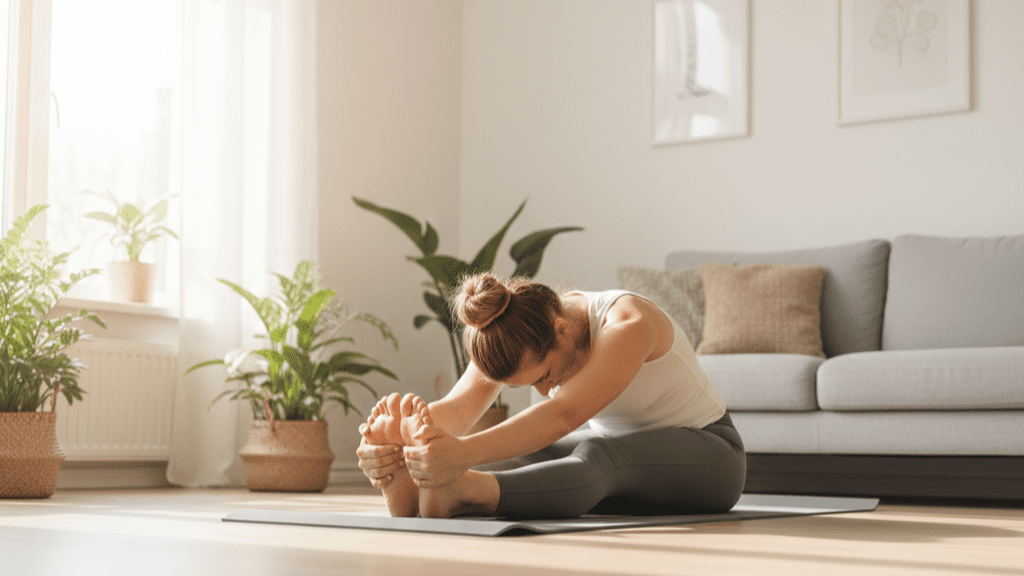
Stretching for energy is more than just loosening muscles — it enhances oxygen delivery, relaxes the nervous system, and primes your body for the day’s demands. Regular stretching can improve physical comfort, mental clarity, and resilience to stress, making it a powerful tool for daily wellness.
Research shows that stretching mobilizes connective tissues, enhances proprioception (body awareness), and decreases muscle stiffness. These physiological effects contribute to energy production and stress mitigation, making stretching a low-impact yet highly effective practice for overall health.
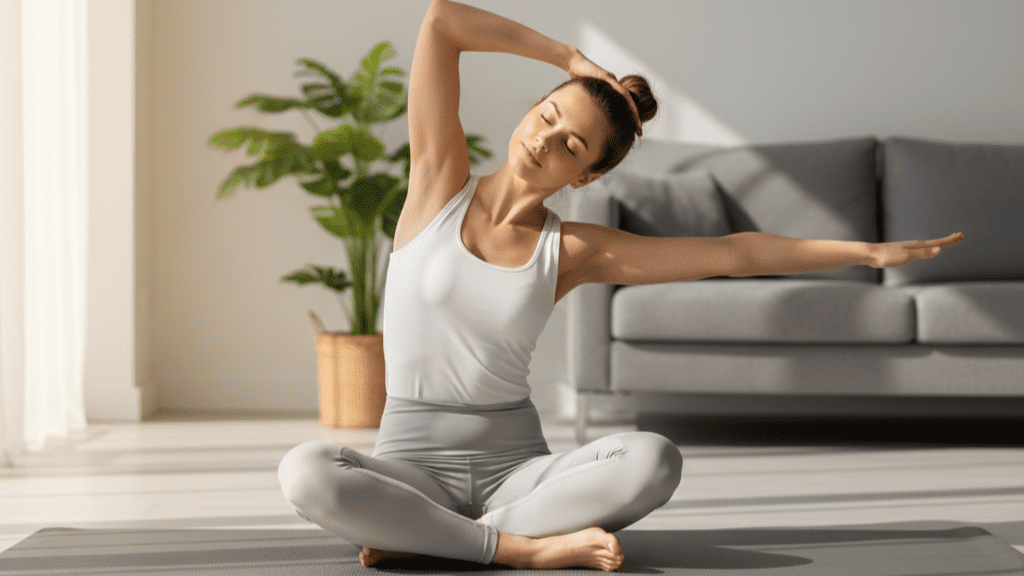
1. Neck and Shoulder Stretch
Tight neck and shoulder muscles can drain energy and cause discomfort. Gently stretching these areas for a few minutes each morning or during breaks improves blood flow, releases tension, and naturally enhances alertness throughout the day.
Muscle tension in the neck and shoulders often builds up due to prolonged sitting, screen time, or emotional stress. When these muscles stay tense, they can compress nerves, reduce circulation, and impair breathing patterns — all of which contribute to fatigue and brain fog.
Performing neck and shoulder stretches before tasks that require focus — like work or study — can help prepare the body for cognitive demands. By opening these muscle groups, you improve blood flow to the upper body and allow for better oxygen exchange, boosting clarity and productivity.
Neck and shoulder stretching also enhances posture over time. Poor posture is a hidden drain on energy because it forces the muscles to work harder to support the body. By consistently stretching, you create better alignment and reduce the effort your body expends to stay upright.
2. Cat-Cow Pose
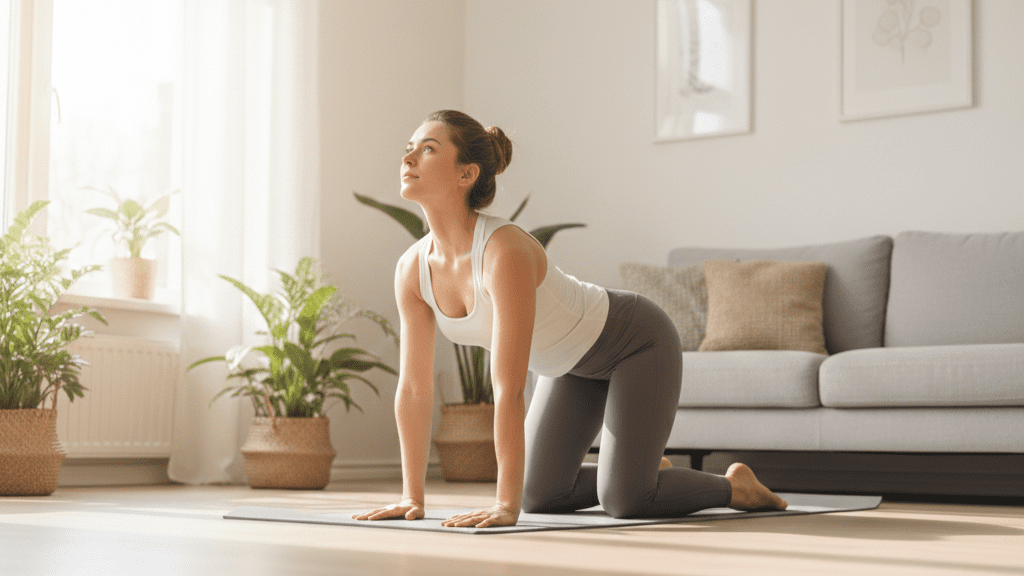
This yoga-inspired stretch mobilizes the spine and warms up your back muscles. Performing the Cat-Cow stretch helps reduce stiffness, supports circulation, and energizes your body in a gentle, natural way.
The Cat-Cow pose increases flexibility in the spine and surrounding muscles, which can otherwise become tight from long periods of sitting or static posture. Flexibility contributes to better movement efficiency and less energy waste during daily activities.
This movement also stimulates the parasympathetic nervous system, which is responsible for relaxation and energy restoration. By combining movement with breath, the Cat-Cow pose can help shift your body out of stress mode and into a more balanced state.
Many people find that beginning their day with spinal mobilization improves their overall sense of wellbeing. This practice not only relieves physical tension but also increases mental alertness by facilitating smoother neural signals between the brain and body.
3. Hamstring Stretch
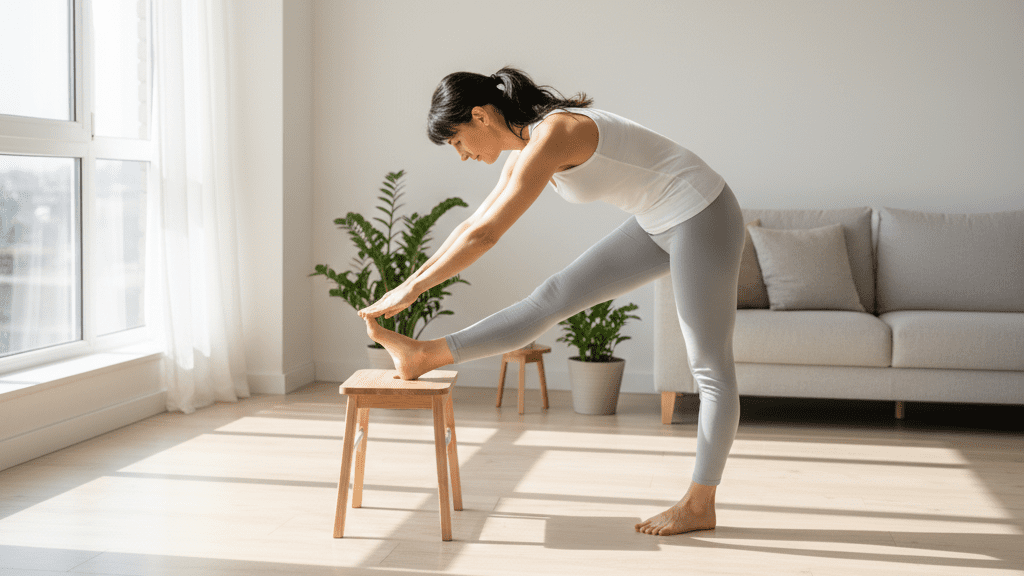
Tight hamstrings can restrict movement and reduce circulation. Stretching your hamstrings regularly improves flexibility, supports leg circulation, and helps maintain energy levels during daily activities.
Hamstrings are a major muscle group that affects posture and gait. When they are tight, the pelvic tilt can shift, leading to lower back strain and discomfort — a hidden source of fatigue throughout the day.
Regular hamstring stretching also enhances coordination between muscle groups. This improved coordination reduces unnecessary muscle tension, saving energy that would otherwise be wasted on inefficient movement patterns.
By increasing hamstring flexibility, you support more efficient walking, standing, and balance. These improvements reduce the overall physical effort required for daily tasks, helping preserve energy for key moments during your day.
4. Standing Side Stretch
A standing side stretch opens up the chest and expands the lungs, increasing oxygen intake. This simple stretch boosts alertness, relieves tension in the torso, and naturally enhances energy throughout the day.
Hamstrings are a major muscle group that affects posture and gait. When they are tight, the pelvic tilt can shift, leading to lower back strain and discomfort — a hidden source of fatigue throughout the day.
Regular hamstring stretching also enhances coordination between muscle groups. This improved coordination reduces unnecessary muscle tension, saving energy that would otherwise be wasted on inefficient movement patterns.
By increasing hamstring flexibility, you support more efficient walking, standing, and balance. These improvements reduce the overall physical effort required for daily tasks, helping preserve energy for key moments during your day.
5. Deep Breathing Stretch
Combining gentle stretching with deep breathing relaxes the mind and body. This practice reduces stress, oxygenates your body, and gives a natural energy boost, making it an ideal end or start to your day.
Deep breathing increases oxygen delivery to the bloodstream and brain, which supports cognitive function and reduces mental fatigue. When combined with stretching, this effect is amplified.
Deep breathing also activates the diaphragm more fully, improving lung capacity and respiratory efficiency — key factors in sustained energy throughout the day.
By integrating deep breathing into your stretch routine, you create a movement that not only loosens muscles but also calms the nervous system, reducing stress hormone levels and supporting natural energy balance.
FAQ
Q1: How often should I perform these stretches for best results?
A: For consistent energy and stress reduction, performing these stretches daily — especially in the morning or during breaks — can provide the best benefits.
Q2: Can stretching really increase energy levels?
A: Yes. Stretching improves circulation, oxygen delivery, and muscle flexibility, all of which contribute to increased energy and reduced muscular tension.
Q3: How long does it take to feel the effects of stretching?
A: Many people notice improvements in energy and mood immediately, while long-term flexibility and stress benefits typically develop over weeks of consistent practice.
For more simple fitness at home, check out our article on How to Increase Strength Without a Gym.
Daily stretches keep your body flexible, reduce stress, and naturally boost energy. Spending just a few minutes each day on these energizing stretches can make a noticeable difference in how energized and relaxed you feel. By integrating stretching for energy and stress relief into your routine, you support both physical comfort and mental clarity — naturally and sustainably.